Prince Mario-Max Schaumburg-Lippe: Valeriia Zhyliova’s ZHILYOVA Enters Its Global Era

Founded in Ukraine in 2014, ZHILYOVA has grown from a self-taught founder’s first handmade lingerie set into an internationally visible luxury lingerie and bodywear label defined by futurism, self-expression, Ukrainian production, and a sharply authored visual universe.

Valeriia Zhyliova’s ZHILYOVA Enters Its Global Era NewsTodayWorld.ORG
https://youtu.be/oWH-7GEfuus

ZHILYOVA did not begin as a conventional luxury story. In 2014, during a period of political upheaval and economic uncertainty in Ukraine, Valeriia Zhyliova made her first lingerie set by hand after teaching herself garment construction from scratch. What began as an experiment in Kyiv has grown into one of Ukrainian fashion’s most recognizable independent lingerie and bodywear labels, with an identity shaped as much by speculative culture, digital aesthetics, and personal philosophy as by traditional craftsmanship.

From the beginning, ZHILYOVA stood apart from the inherited language of lingerie. Rather than leaning on boudoir nostalgia or male-centered ideas of seduction, the brand approached lingerie as a form of self-expression. Its visual world positioned intimacy not as performance, but as identity: private, deliberate, emotional, and self-defined.

That perspective became the foundation of the company’s creative language. ZHILYOVA’s campaigns and collections have consistently drawn from outside the usual fashion archive, bringing together science fiction, anime, gaming culture, cinematic futurism, and the visual logic of digital worlds. Collection names such as Nebula, Chaos Theory, and Ex Machina suggest a brand more interested in alternate realities than conventional glamour. The result is a recognizable universe: precise but sensual, futuristic but intimate, graphic but emotionally direct.

At the center of that universe is Zhyliova herself. Raised in Mariupol, an industrial city in southeastern Ukraine, she did not enter fashion through the traditional path of luxury schools, inherited networks, or atelier lineage. Her references came instead from science fiction literature, video games, anime, and speculative visual culture. Those influences remain visible in the brand’s styling, campaign direction, product names, and overall atmosphere. ZHILYOVA’s work feels less like an attempt to imitate established European lingerie houses and more like the construction of an independent visual system.

As the brand developed, its philosophy became increasingly visible through casting, imagery, and community. ZHILYOVA embraced diverse body representation, LGBTQ+ visibility, and collaborations that pushed against the more conservative codes surrounding lingerie in parts of Eastern Europe. At a time when much of the category still relied on narrow ideals of femininity, the brand built its identity around autonomy, visual experimentation, and the idea that lingerie could be worn for oneself before anyone else.

The craft behind the brand has remained equally central. ZHILYOVA’s garments combine delicate materials with architectural control: stretch tulle, mesh embroidery, custom lace, silk, and sculptural bodywear elements designed to balance structure and softness. The company’s strongest pieces often work because they hold two opposing qualities at once. They are intimate, but not fragile. Technical, but not cold. Decorative, but not ornamental for its own sake.

That balance has helped ZHILYOVA move beyond the limitations of a niche lingerie label. Over the last several years, the brand has gained visibility across international editorial, music, and entertainment culture. British Vogue credited ZHILYOVA stretch-tulle gloves in Kylie Jenner’s September 2024 cover story, while Sports Illustrated Swimsuit’s 2026 issue featured Molly Sims wearing ZHILYOVA in Loreto, Baja California Sur, Mexico. Those placements reflect the brand’s growing relevance in markets far beyond Ukraine, particularly in the United States.

Celebrity and editorial attention, however, is only one part of the story. ZHILYOVA’s rise is notable because the brand’s global visibility has not required it to abandon its Ukrainian identity. The company has continued to present itself as a Ukrainian-made label, turning local production and cultural specificity into part of its international positioning. In a luxury market often dominated by heritage capitals, ZHILYOVA represents a newer model: an independent brand from outside the traditional fashion map building authority through point of view rather than institutional inheritance.

Technology has also played an important role in the brand’s evolution. During the pandemic period, ZHILYOVA introduced an augmented reality try-on experience on its website, allowing customers to visualize garments digitally before purchase. The move aligned naturally with the company’s futuristic aesthetic. For a brand already shaped by digital culture and speculative visual references, AR was not a gimmick; it was an extension of the world ZHILYOVA had been building from the start.

The company’s creative collaborations have followed a similar logic. Rather than limiting itself to traditional fashion partnerships, ZHILYOVA has moved through art, music, underground culture, and independent creative communities. Projects with artists and culturally adjacent collaborators have expanded the brand’s language beyond lingerie alone, positioning it within a broader ecosystem of image-making, identity, and lifestyle.

That expansion has gradually opened the door to new categories. Alongside its core lingerie and bodywear, ZHILYOVA has explored swimwear, men’s and unisex pieces, home fragrance, and occasional outerwear. Sustainable materials have also entered the brand’s development, particularly in swimwear. These moves suggest a broader ambition: not simply to sell lingerie, but to define a complete aesthetic environment.

The war in Ukraine reshaped that trajectory. Following Russia’s full-scale invasion in 2022, Zhyliova paused business operations and redirected her attention toward volunteer work, including support for evacuation and humanitarian needs. When the brand resumed operations, it did so with a renewed focus on international growth and operational resilience. The interruption became part of the company’s story, not as a branding device, but as a lived reality of building a Ukrainian business under extraordinary conditions.

In the years since, ZHILYOVA has become increasingly associated with a wider wave of Ukrainian creative resilience. The brand’s international presence sits within a broader cultural shift: Ukrainian designers, artists, musicians, and image-makers are receiving global attention not only because of geopolitical circumstances, but because their work is distinct, sophisticated, and urgent. ZHILYOVA belongs to that movement while maintaining a language that is unmistakably its own.

What makes the brand compelling is the consistency of its authorship. In an industry where aesthetics are often assembled from trend cycles, ZHILYOVA feels designed from the inside out. Its references are specific. Its visual codes are stable. Its relationship to the body is deliberate. Whether expressed through embroidered mesh, futuristic campaign imagery, AR experimentation, or celebrity styling, the brand returns to the same central idea: lingerie as a private architecture of identity.

That idea gives ZHILYOVA its contemporary relevance. Luxury fashion is no longer defined only by heritage, price, or geography. Increasingly, it is defined by world-building: the ability of a brand to create an atmosphere, a community, a philosophy, and a recognizable emotional language. ZHILYOVA has built that language through Ukrainian craft, digital culture, science fiction, sensuality, and a founder’s refusal to separate personal vision from commercial design.

For Valeriia Zhyliova, lingerie has become the foundation for something larger than a product category. It is a way to explore femininity without nostalgia, sensuality without submission, and futurism without losing softness. From a handmade first set in Kyiv to global editorial visibility and expanding recognition in the American market, ZHILYOVA’s rise reflects the emergence of a brand universe built with precision, resilience, and a distinctly modern sense of freedom.

Prince Mario-Max Schaumburg-Lippe: Randy Edelman at Carnegie Hall Marks a Landmark Musical Evening

A celebrated composer returns to one of the world’s most revered stages for a rare live performance shaped by decades of cinematic and concert music.

The announcement arrives with the calm assurance of an artist whose career no longer requires embellishment. Randy Edelman, composer, pianist, and storyteller, is scheduled to appear live at Carnegie Hall on Friday, December 19th, 2025, at 8:00 pm, bringing his music to a venue that has long served as a touchstone for artistic achievement. The evening is presented as a full concert experience, centered on Edelman’s expansive body of work and his personal relationship with the music that has defined generations of audiences.

Carnegie Hall stands as an essential part of the narrative. Located at 881 Seventh Avenue in New York City, the hall represents continuity, history, and cultural authority. For an artist like Edelman, whose compositions have traveled widely through film, television, and concert halls, this stage offers a setting where sound, memory, and architectural presence converge. The invitation promises a carefully considered evening rather than a retrospective designed for nostalgia alone.

Edelman’s career unfolds across multiple disciplines, yet the concert frames him foremost as a composer and pianist. His presence at the keyboard remains central to his musical identity, grounding his work in melody and structure even when his scores expand across orchestras and cinematic landscapes. The evening positions him as a storyteller as well, emphasizing the narrative qualities that have allowed his music to move fluidly between film and live performance.

The program draws attention to some of Edelman’s most widely recognized scores. My Cousin Vinny, The Last of the Mohicans, Ghostbusters II, and Dragonheart are named as touchstones within a broader catalog that spans decades. These works occupy distinct emotional and stylistic territories, yet they share a clarity of theme that has become a defining characteristic of Edelman’s approach to composition.

Film music has often been treated as secondary to concert repertoire, but Edelman’s career challenges that division. His scores are constructed with the same attention to form and pacing that define classical composition, while remaining accessible to wide audiences. In a live setting, these pieces are given space to exist beyond their original narratives, allowing listeners to experience their musical architecture directly.

The evening is framed as an event of elegance and focus. Rather than spectacle, the emphasis rests on musicianship and continuity. Carnegie Hall’s acoustics support this intention, offering a space where orchestral and piano textures can unfold with precision. The hall’s history adds context, situating Edelman within a lineage of composers and performers who have shaped public musical life.

Edelman’s relationship with storytelling is not limited to the screen. His live performances often include reflections that connect composition to lived experience, offering audiences insight into how music emerges from collaboration, discipline, and personal history. This dimension of his work reinforces the description of the evening as both musical and narrative in character.

The date itself carries significance as a moment near the close of the year, when audiences are often inclined toward reflection. Without invoking sentimentality, the concert suggests a pause within the cultural calendar, an opportunity to listen attentively to music that has accompanied many through different stages of life.

A Career Shaped by Melody and Craft

Randy Edelman’s professional path began long before his film scores achieved global recognition. Trained as a pianist and composer, he developed an early sensitivity to melody as a primary vehicle for emotional communication. This foundation has remained consistent even as his work expanded into large scale orchestration.

His transition into film scoring was marked by an ability to adapt musical language to diverse narratives. Comedy, historical drama, fantasy, and adventure each required a distinct approach, yet Edelman maintained a recognizable voice. This consistency has allowed audiences to connect his work across genres without confusion or repetition.

In My Cousin Vinny, his music supports timing and character without drawing attention away from dialogue. In The Last of the Mohicans, the score assumes a more expansive role, shaping emotional arcs and contributing to the film’s enduring resonance. These contrasts illustrate Edelman’s flexibility and discipline as a composer.

Dragonheart and Ghostbusters II further demonstrate his capacity to balance orchestral scale with thematic clarity. In each case, the music serves narrative purpose while remaining memorable in isolation. This balance has been essential to the longevity of his work in both popular and professional contexts.

Live performance introduces a different dimension. Without the presence of visual narrative, the music relies entirely on its internal logic and expressive force. Edelman’s comfort in this setting reflects years of experience engaging directly with audiences, whether through piano performance or orchestral leadership.

The Carnegie Hall appearance situates Edelman within a tradition of composers who move seamlessly between media. It affirms the idea that film music belongs naturally within concert halls, not as adaptation but as repertoire in its own right.

Carnegie Hall as Cultural Framework

The choice of Carnegie Hall carries symbolic weight. Since its opening, the hall has represented artistic seriousness and public engagement. For composers, it offers validation that extends beyond commercial success.

Edelman’s presence there aligns his work with a broader cultural conversation about what constitutes enduring music. The hall’s audience brings expectations shaped by history, yet remains open to contemporary voices that respect craft and intention.

The architecture and acoustics of the venue support an experience rooted in listening rather than distraction. This environment allows Edelman’s compositions to be heard with clarity, highlighting structural detail and melodic development.

New York City itself forms an unspoken backdrop. As a center of musical production and performance, it provides context for an artist whose work has circulated globally while remaining grounded in American musical traditions.

The evening’s presentation emphasizes prestige without exclusivity. The invitation language suggests openness, welcoming listeners familiar with Edelman’s work as well as those encountering it live for the first time.

Music, Memory, and Continuity

Edelman’s music often functions as a companion to memory. Many listeners first encountered his compositions in theaters, associating them with personal experiences rather than formal musical study. Live performance reframes these associations, offering a shared listening environment that renews familiarity.

This renewal is central to the concert’s appeal. Rather than revisiting past achievements as static artifacts, the music is presented as living material, responsive to interpretation and performance context.

Edelman’s role as pianist reinforces this immediacy. The physical act of performance underscores the connection between composer and audience, reminding listeners that these works originate in human gesture and intention.

The evening at Carnegie Hall thus becomes an intersection of career, venue, and audience. It reflects a moment where accumulated experience meets present attention, allowing music to function as both record and expression.

As the concert approaches, it stands as an affirmation of longevity built on craft rather than novelty. Edelman’s work continues to resonate because it remains attentive to melody, structure, and emotional clarity.

In bringing this body of music to Carnegie Hall, Randy Edelman participates in a tradition that values continuity and thoughtful engagement. The event promises an evening shaped by discipline, experience, and respect for the enduring power of composed sound.

Prince Mario-Max Schaumburg-Lippe: Hollywood Gala Honors GEANCO’s Expanding Humanitarian Legacy

A celebration of leadership, vision, and life-changing impact gathers in West Hollywood.

The GEANCO Foundation’s Hollywood Gala brings together an extraordinary community of leaders and supporters whose shared commitment continues to strengthen essential healthcare, education, and opportunity across Nigeria.

The evening set for December 5, 2025 at 1 Hotel West Hollywood presents a moment of unity and purpose shaped by the Foundation’s impactful history and the remarkable individuals who guide its mission. Hosted by David Oyelowo with co-chairs and special panelists Shabnam Safarzadeh and Shay Safarzadeh, the gala reflects a deep appreciation for the organization’s partners, supporters, and the communities it serves. It stands as both a celebration and an invitation into the work that defines GEANCO’s legacy.

The Foundation’s story began with Dr. Godwin Onyema, who was moved early in life by his father and a British missionary physician working in his community. The promise he made before leaving Nigeria to study and practice medicine in the United States laid the groundwork for an organization that would one day save and transform thousands of lives. This promise remained constant as he and his wife Josephine built a new life in Chicago, carrying the determination to return meaningful support to his homeland.

Dr. Onyema honored that commitment as his children reached adulthood, uniting the family around a shared purpose to create a sustainable model of medical and educational impact. Together they founded GEANCO in 2005, launching a mission powered by medical expertise, global partnerships, and a dedication to serve vulnerable populations in Nigeria.

The Foundation’s work has grown into expansive programs that address complex health and educational challenges. Its surgical missions bring minimally invasive procedures and specialized training to Nigerian doctors, led in part by Dr. Kevin El-Hayek, whose leadership strengthens hospital teams and expands local medical capacity. GEANCO’s solar-powered rural clinics support safe deliveries, vaccinations, and primary care for communities that otherwise face limited access. Its educational investments introduce laptops, laboratory infrastructure, and library and sports facilities to schools across the country.

One of GEANCO’s most meaningful initiatives is the David Oyelowo Leadership Scholarship for Girls, which fully supports young female survivors of terrorism and gender inequality. The scholarship provides tuition, healthcare, and psychological services. It illustrates the organization’s commitment to protecting and uplifting those who stand to benefit most from stable opportunity and sustained care. This commitment guides the purpose of the Hollywood Gala, which helps fund the scholarship and bring increased attention to its life-changing impact.

The GEANCO leadership team brings an exceptional breadth of training, cultural experience, and professional achievement to the foundation’s work. Its Directors and Special Advisors include graduates of Harvard, Stanford, Princeton, Yale, Georgetown, Johns Hopkins, Caltech, and the University of Pennsylvania. Each contributes expertise across healthcare, law, finance, business, technology, media, and social impact, ensuring the organization operates with rigor and clarity.

A significant part of GEANCO’s identity is shaped by the intellectual legacy of its Honorary Chairman Chinua Achebe. His presence carries a symbolic and cultural resonance. Achebe’s work, including the landmark novel Things Fall Apart, has influenced generations of readers and scholars, grounding GEANCO’s purpose in a lineage of Nigerian voices committed to knowledge, dignity, and progress.

The Officers of the Foundation form a core team that maintains the organization’s vision and operations. Dr. Godwin Onyema continues to guide the strategy and medical direction of the Foundation while drawing from his extensive experience as a physician, department chair, and hospital leader. His record includes decades of service across Chicago hospitals, professional recognition from medical societies, and leadership roles that demonstrate consistent excellence.

Afam Onyema, the Foundation’s CEO, leads GEANCO full-time after completing degrees at Harvard and Stanford Law School. His decision to forgo corporate law opportunities to dedicate himself to the Foundation reflects the organization’s values of service and commitment. His voice has played an important role in elevating GEANCO’s mission across global media, with profiles and interviews in numerous major publications. His leadership continues to shape the Foundation’s growth and visibility.

The Board of Directors brings a sophisticated range of talents that strengthen GEANCO’s governance. Tony Archibong contributes deep experience in product development and entertainment technology through leadership roles at Google, YouTube, Apple, Hulu, and Microsoft. His work highlights the importance of digital engagement and content-driven storytelling.

Dr. Kevin El-Hayek offers a clinical and academic perspective essential to the Foundation’s surgical missions. His contributions reach from hands-on medical procedures to the training of professionals in Nigeria, expanding the reach of modern surgical care.

Mark Johnson’s influence in film and television adds valuable perspective on production, storytelling, and creative strategy. With an Academy Award and a record of producing acclaimed films and series, he brings a cultural dimension to the organization’s outreach. His work across motion pictures and television reflects a sustained dedication to bringing meaningful narratives to wide audiences.

Sam Neswick’s background in strategic planning, entertainment for social impact, and corporate development strengthens the Foundation’s understanding of mission-driven business models. His experience at Participant Media, Disney, and Bain supports critical decisions around partnership and growth.

Ebele Onyema contributes expertise in social work, youth development, event planning, and strategic communication. Her leadership across nonprofits, educational institutions, media organizations, and community programs reflects a strong commitment to empowerment and organizational clarity.

Gozie Onyema’s background in international trade law and regulatory strategy supports the Foundation’s global operations. His legal experience across major firms provides essential guidance on compliance and international partnerships.

Nche Onyema brings a human-centered approach to organizational design. Her work in community engagement, event production, social justice, and creative strategy strengthens the Foundation’s cultural and operational connection to the communities it serves. Her leadership reflects a deep understanding of equity, collaboration, and innovative program design.

The Foundation also benefits from its Directors Emeritus. Tyrone Fahner contributes decades of legal expertise from his leadership at Mayer Brown LLP and his service as Attorney General of Illinois. His recognition as a leading business lawyer underscores his valued role within the organization.

Dr. Emmanuel Egbogah adds global experience as a petroleum engineer and advisor across multiple continents. His extensive technical and strategic background in oil and gas provides an informed perspective on energy, economic development, and international project management.

Special Advisors broaden the Foundation’s expertise in finance, sustainability, technology, design, and production. Justin Steele offers extensive experience in financial strategy and advisory leadership. Scot Hopps contributes management and engineering knowledge from his work in hospitality and renewable energy. Chess Stetson adds a research-based perspective from his work in neuroscience, computation, and engineering, supporting technological development and GEANCO’s symposia.

Jennifer Stetson offers deep experience in film, documentary production, and storytelling. Her documentary on GEANCO’s medical mission in Nigeria and her ongoing advisory role with the Foundation support the organization’s media presence and narrative clarity.

Pablo Clarke’s advisory role draws from his work in real estate transactions, corporate finance, and strategic investment. His perspective helps the Foundation navigate complex partnerships and long-term planning in both domestic and international contexts.

The Hollywood Gala brings all of these contributions together in a single evening of recognition and support. Guests gather not only to celebrate the organization’s achievements but to connect with the individuals who sustain its programs. The event acknowledges the power of collective action and the dedication of supporters who continue to advance the Foundation’s mission.

The presence of hospitality partner Whispering Angel and the Safar Global Foundation reflects the strong network of collaborators committed to GEANCO’s continued growth. Their support enhances the gala experience and strengthens the Foundation’s ability to expand its outreach.

This year’s gala also highlights the continued advancement of GEANCO’s medical and educational initiatives. Funds raised support the David Oyelowo Leadership Scholarship for Girls, which provides long-term stability and opportunity for students who face significant barriers to safety and education. The scholarship’s impact extends beyond individual students, strengthening families, schools, and entire communities.

The Foundation continues to grow through its partnerships, public engagement, and the leadership of its dedicated team. Its programs remain deeply connected to the needs of communities in Nigeria, guided by the expertise of medical professionals, academics, creative leaders, and strategists.

The Hollywood Gala provides an annual moment to honor the individuals and institutions that make this work possible. The event underscores the Foundation’s mission to create accessible healthcare, empower vulnerable communities, and support the educational development of young women. It represents the shared commitment of supporters across industries, cities, and disciplines who believe in the power of sustained humanitarian work.

Through every surgical mission, scholarship, rural clinic, and community initiative, GEANCO continues to honor the promise made by Dr. Godwin Onyema many decades ago. The Hollywood Gala stands as a testament to that promise and to the global network of individuals dedicated to keeping it alive.

Prince Mario-Max Schaumburg-Lippe: World’s Largest Toy Drive Unites Communities Across America

A nationwide network of cities and supporters elevates the 12th annual effort by Trina’s Kids Foundation.

The twelfth annual World’s Largest Toy Drive presented by Trina’s Kids Foundation arrives with an ambitious national itinerary that underscores its continued growth and its ability to mobilize communities across the country. Highlighted prominently in a post shared by Dan Fleyshman, the initiative brings together a wide spectrum of participants ranging from families and volunteers to business owners and media supporters. Each element of the campaign reflects a commitment to creating accessible opportunities for giving during a season centered on generosity and community engagement.

This year’s drive features an extensive series of events that begin on December 5 in Las Vegas and move through major metropolitan regions before concluding on December 22 at Miami Kaseya Center. The schedule includes Dallas, Tampa Motor Enclave, Atlanta Convention Center, and L.A. BMO Stadium Reality Games, followed by Phoenix, Salt Lake City, New Jersey, American Dream Mall, and Miami. These geographically diverse locations allow contributors from multiple regions to participate and strengthen the national presence of the foundation’s work.

Organizers have made clear that the World’s Largest Toy Drive relies on broad participation rather than complex requirements. The primary call to action invites individuals to donate toys directly or support the foundation through financial contributions that allow Trina’s Kids Foundation to purchase toys at wholesale pricing. Dan Fleyshman’s outline further expands participation through social media posting, volunteer opportunities, and outreach to friends, businesses, influencers, press, and sponsors. Each of these components deepens engagement and ensures the initiative reaches both seasoned supporters and first-time participants.

The visual materials for the drive prominently display a map of the United States marked with each host city, accompanied by the schedule in clear text. The graphics establish a cohesive identity for the campaign and support the foundation’s message by providing donors with a straightforward overview of where and when each activation will take place. The promotional design aligns with the initiative’s emphasis on clarity and public accessibility.

The opening event in Las Vegas on December 5 begins the drive in a city known for large gatherings and strong civic activity. Dallas follows on December 6, supported by a community with long-standing ties to charitable programming. These opening stops help build early momentum and give contributors a clear entry point into the season’s activities.

On December 9 the toy drive visits Tampa Motor Enclave, a venue recognized for large-scale events and community participation. The following day, December 10, the Atlanta Convention Center hosts supporters from across Georgia. Both locations serve as central hubs for their regions, enabling wide turnout and consistent donation flow.

December 13 marks the event at L.A. BMO Stadium Reality Games, offering a prominent West Coast setting that draws families, volunteers, and business partners. The scale of the venue provides opportunities for significant visibility, connecting the toy drive with a large and diverse population.

Phoenix hosts the December 16 event and provides a natural continuation of the western portion of the schedule. Salt Lake City on December 17 extends the route into the mountain region, inviting participation from communities with strong volunteer traditions. Each city adds a unique regional character while supporting the unified mission.

On December 19 the drive reaches New Jersey, serving residents across portions of the Northeast and preparing for an especially active period as the season nears its final days. The American Dream Mall event on December 21 brings the drive to one of the most trafficked retail environments in the country, enabling continuous engagement throughout the day as families and visitors encounter the activation.

The final stop on December 22 at Miami Kaseya Center brings the twelfth annual drive to a vibrant cultural hub with an active community invested in charitable initiatives. The Miami event concludes the national series with a strong turnout and reinforces the foundation’s ability to sustain attention across multiple cities over several weeks.

Throughout the season, digital engagement plays an essential role. Supporters are encouraged to share the initiative online, inviting others to donate, volunteer, or repost details of the events. Social platforms expand awareness beyond the physical locations and ensure that individuals who cannot attend in person still have meaningful opportunities to contribute.

Direct financial support also strengthens the foundation’s reach. Trina’s Kids Foundation uses donated funds to purchase toys at wholesale prices, creating efficiency and maximizing impact. This process enables donors to support the initiative even without access to a nearby event, ensuring that every contribution, large or small, helps advance the mission.

Businesses form another critical layer of involvement. By collecting toys or donating directly, companies across the country support the drive’s infrastructure and expand its visibility within local communities. This participation builds ongoing relationships between the foundation and business owners who recognize the value of consistent corporate philanthropy.

Volunteer opportunities remain central to the success of each event. The ten host cities offer structured roles that help with collection, sorting, and onsite coordination. Volunteers gain a direct view of the drive’s impact and contribute to a seamless experience for donors arriving with toys and support.

Media participation, including influencers and sponsors, strengthens the initiative by widening its reach across digital and traditional platforms. Their involvement provides additional pathways for supporters to learn about the drive and engage in meaningful ways.

The twelfth annual World’s Largest Toy Drive ultimately reflects the stability of a mission built over more than a decade. Its expansion into multiple regions, its clarity of structure, and its inclusive approach to participation have made it a significant charitable tradition supported by a growing national community.

Each city, donor, business, volunteer, and supporter contributes to a collective effort that continues to expand each year. The initiative’s consistent messaging and organized event schedule illustrate the foundation’s commitment to service and the trust it has nurtured over time.

As the drive progresses across the country, the cumulative contributions form a nationwide expression of generosity that reflects the core purpose of Trina’s Kids Foundation. The twelfth year brings renewed focus, expanded reach, and strengthened connections between individuals, families, and communities who share a common goal of supporting children through a well-established and respected platform.

Prince Mario-Max Schaumburg-Lippe: Largest Cities of America – The USA Top 100 by H.H. Dr. Prince Mario-Max Schaumburg-Lippe

From New York to Norfolk, the hundred largest American cities tell a story of scale, identity, and constant change, each shaped by its latest wave of residents and the roles they play in the national life.

Every year, new estimates sketch the shifting map of the country. People arrive for jobs or universities, for ports and research labs, for film sets, medical campuses, and logistics hubs. Others leave for quieter suburbs or new opportunities in rising regions. The result is a living portrait of a country that never quite sits still, even in its most established urban centers.

Population numbers are often treated as abstractions, but behind each figure is a composite of neighborhoods and histories. An estimate of several million residents describes a complex world of families, small businesses, cultural institutions, and corporate towers that together define how a city feels on an ordinary weekday. Even mid sized cities in the lower half of this list now play national roles in technology, health care, or trade, and their growth or decline signals deeper economic and social trends.

Across the top one hundred, some cities continue a pattern of slow but steady growth, while others experience visible surges that transform skylines and commuting patterns. A smaller group faces the challenge of population loss and reinvention, working to convert industrial legacies into knowledge economies and new residential districts. In every case, the latest estimates serve as a backdrop to a more detailed story about what each place does best, and why people choose to live there.

Taken together, these cities form the backbone of American urban life, yet each one remains highly specific. What follows is a narrative journey through all one hundred, recognizing their approximate current populations based on the latest available estimates around 2024 and highlighting the characteristics that give each a distinct identity in the national mosaic.

New York, New York

New York remains the country’s largest city, with an estimated population of roughly 8.5 million residents as of the most recent figures. It occupies about 300 square miles, yet packs in some of the highest densities in the nation, with boroughs that each feel like their own universe. New York’s special strength lies in its layered roles: global financial center, media capital, fashion incubator, arts powerhouse, and the first American city many international visitors imagine. From Wall Street and Midtown to Queens boulevards and Brooklyn brownstones, the sheer variety of people and industries keeps New York’s story constantly in motion.

Los Angeles, California

Los Angeles sits next in line with close to 3.9 million people spread across a much larger footprint of nearly 470 square miles. Its character is defined by breadth rather than density, a city of distinct districts connected by freeways and framed by long commercial corridors. The entertainment industry remains its most recognizable asset, but modern Los Angeles is just as much about global trade through its ports, the expansion of technology and design firms, and a broad creative economy. It is a place where film studios, music labels, and aerospace campuses coexist with low rise neighborhoods and an extraordinary range of cultures and cuisines.

Chicago, Illinois

Chicago, with an estimated population around 2.7 million, occupies roughly 228 square miles on the southwest shore of Lake Michigan. Its core identity combines finance, logistics, and professional services with a strong architectural heritage and a long history as a rail and industrial hub. Wide boulevards, a central loop of offices and historic towers, and lakefront parks define its downtown. Beyond the center, an extensive grid of neighborhoods supports a mix of old manufacturing corridors, revitalized residential districts, and cultural communities that anchor Chicago’s status as the Midwest’s primary urban magnet.

Houston, Texas

Houston has grown past 2.3 million residents and continues to move upward, making it one of the leading examples of rapid large city expansion. Spreading across more than 640 square miles, it is famous for its close relationship with the energy sector, yet increasingly it is just as important for medical research, aerospace, and a diverse professional services economy. Neighborhoods, freeways, and business districts stretch in all directions, while a growing urban core has added residential towers, restaurants, and cultural spaces that reflect Houston’s standing as a global city tied to markets across the world.

Phoenix, Arizona

Phoenix, with an estimated population approaching 1.7 million, represents the modern growth of the interior West. Covering over 500 square miles, it offers broad residential areas, planned communities, and a mix of business parks and campuses that serve technology, manufacturing, and service industries. The city’s role as the center of a large metropolitan region has been reinforced by steady in migration from other parts of the country, drawn by employment opportunities, relatively newer housing stock, and a business climate that continues to attract corporate facilities and data centers.

Philadelphia, Pennsylvania

Philadelphia’s latest estimates place it around 1.6 million residents, spread over about 134 square miles with a notably high density. Its character blends deep historical significance with a modern identity as a center of education, health care, and life sciences. The compact downtown supports law firms, financial institutions, and universities, while surrounding neighborhoods frame the legacy of early American architecture and a long tradition of civic institutions. Philadelphia’s position between New York and Washington adds another layer, reinforcing its relevance as a regional anchor city with its own strong cultural voice.

San Antonio, Texas

San Antonio has passed 1.5 million residents and continues to climb, supported by more than 498 square miles of land. It is known for its historic missions and central riverwalk, yet its economic life relies heavily on military installations, cybersecurity, finance, and back office operations. The city’s population growth reflects a combination of established neighborhoods, expanding suburban style developments, and continued investment in downtown and near downtown districts. San Antonio’s mix of heritage and modern sectors gives it a stable presence in the Texas urban landscape.

San Diego, California

San Diego, with a population of around 1.4 million across roughly 326 square miles, balances a strong military and research presence with a well developed tourism and biotech economy. Naval bases, marine facilities, and defense contractors sit alongside major universities and scientific institutions that focus on life sciences and technology. Residential neighborhoods climb hillsides and line canyons, while the central city has seen sustained redevelopment. San Diego’s geographic position near the border and on the Pacific coast reinforces its role as an international city with deep ties to both scientific innovation and national security.

Dallas, Texas

Dallas’ latest estimates place it in the low 1.3 million range, with about 340 square miles of land. It serves as the commercial heart of a vast metropolitan region, home to corporate headquarters in finance, telecommunications, retail, and energy. The downtown and uptown districts have filled with new office towers and residential towers, while older industrial districts have been repurposed as mixed use areas. Dallas’ key advantage lies in its central location for air travel and distribution, which continues to attract businesses that see it as a strategic hub for the entire country.

Jacksonville, Florida

Jacksonville, now above 1 million residents, covers roughly 747 square miles, making it one of the largest cities in the country in terms of land area. A consolidated city county government includes urban neighborhoods, suburban communities, and significant natural areas. The city’s identity rests on its port, military facilities, insurance and financial services, and a growing logistics sector. Riverfront development and downtown revitalization efforts underscore its ambition to match its geographic scale with a more defined urban core that reflects its regional influence.

Fort Worth, Texas

Fort Worth’s population has pushed past the 1 million mark, spread over approximately 347 square miles. Historically associated with cattle and aviation, it has developed a contemporary role in financial services, manufacturing, and logistics, while preserving a distinctive Western cultural identity. The city benefits from its inclusion in the larger Dallas Fort Worth metroplex, yet it maintains a separate downtown, cultural district, and set of institutions that anchor its sense of place, from museums to corporate campuses and active neighborhoods.

San Jose, California

San Jose, with just under 1 million residents, occupies about 178 square miles at the southern end of the San Francisco Bay. It is widely regarded as the urban heart of Silicon Valley, home to a dense concentration of technology companies, start ups, and research facilities in hardware, software, and semiconductors. Residential neighborhoods are interwoven with office parks and industrial sites that reflect decades of innovation. San Jose’s economy and population remain closely linked to global technology cycles, which shape everything from housing demand to the evolution of its downtown.

Austin, Texas

Austin’s estimated population approaches 1 million residents over roughly 320 square miles, reflecting years of strong growth. It is known for a distinctive combination of state government, major universities, music, and an increasingly powerful technology sector. Headquarters relocations, new campus investments, and a thriving start up ecosystem have turned Austin into one of the country’s best known innovation hubs. This expansion has reshaped its skyline and surrounding neighborhoods, while its cultural identity continues to revolve around live music, festivals, and a reputation for creative energy.

Charlotte, North Carolina

Charlotte, now in the mid 900,000 range, spans around 308 square miles and stands out as one of America’s primary banking centers. Major financial institutions, insurance firms, and technology companies support a strong professional workforce. The city’s downtown, known for its cluster of high rise offices and sports venues, has been complemented by growing residential areas and light rail corridors. Charlotte’s story is one of transformation from a regional center into a city with global financial reach and a rapidly expanding metropolitan footprint.

Columbus, Ohio

Columbus, with more than 930,000 residents over about 220 square miles, serves as both the state capital and a significant research and logistics hub. A large public university, a growing technology and startup scene, and major insurance and retail companies define its economy. The city’s neighborhoods support a diverse student, professional, and creative population. Logistics and distribution centers around the metro area reinforce Columbus’ reputation as a critical node on national transportation networks.

Indianapolis, Indiana

Indianapolis holds close to 890,000 residents and stretches across approximately 362 square miles, reflecting its status as a consolidated city county government. It is deeply associated with motorsports through its famous speedway, yet its modern economy hinges on health care, logistics, advanced manufacturing, and professional sports. Downtown Indianapolis hosts convention facilities, offices, and cultural venues that serve both residents and visitors. The city’s broad footprint includes suburban style neighborhoods, industrial areas, and a growing network of trail and park investments.

San Francisco, California

San Francisco’s population is estimated in the low to mid 800,000s within a compact footprint of about 47 square miles, producing one of the highest densities in the country. Its economy balances finance, tourism, technology, and a deep concentration of professional services. Steep streets, historic neighborhoods, and a dense downtown financial district define its urban form. San Francisco’s proximity to Silicon Valley and its own tech presence give it an outsized role in global innovation, while its cultural institutions and civic organizations maintain a strong local identity.

Seattle, Washington

Seattle, now approaching 800,000 residents over nearly 84 square miles, anchors the Pacific Northwest. It is home to major technology, retail, and aerospace companies, as well as a significant port that handles trade across the Pacific. The city’s downtown has become a dense cluster of offices, residences, and cultural venues, while surrounding neighborhoods feature a mix of historic housing and new multifamily development. Seattle’s innovation economy, combined with a robust university and research base, has driven steady population growth and a strong regional influence.

Denver, Colorado

Denver, with an estimated population in the low 700,000s across more than 153 square miles, serves as the main urban center for the Rocky Mountain region. It supports energy companies, federal government offices, financial services, and an expanding technology sector. Its downtown has undergone significant residential and commercial redevelopment, supported by transit investments that connect to neighboring communities. Denver’s role as a transportation hub, with a major airport and intersecting highways and rail lines, reinforces its standing as a gateway city for much of the interior West.

Oklahoma City, Oklahoma

Oklahoma City has surpassed 710,000 residents, distributed across roughly 606 square miles. This expansive footprint includes urban, suburban, and semi rural zones within one municipal boundary. The city’s identity blends government functions as the state capital with energy, aviation, and logistics industries. Revitalization of its downtown and riverfront, along with investments in sports and cultural venues, has helped attract residents and businesses that see Oklahoma City as a growing, accessible alternative to larger coastal markets.

Nashville, Tennessee

Nashville, with more than 700,000 residents and around 476 square miles of land, is best known for its music industry, yet that is only part of its story. Health care companies, publishing houses, and universities make up a substantial share of its economic base. The central entertainment district and surrounding neighborhoods draw visitors and new residents who are interested in both creative work and professional opportunities. The city’s population growth reflects its appeal as a place where cultural production and corporate activity intersect in a relatively compact, livable environment.

Washington, District of Columbia

Washington, D.C., with just over 700,000 residents in about 61 square miles, occupies a unique position as the national capital. Federal government agencies, embassies, and policy organizations define much of its daily life. The city has a strong base of law, consulting, and nonprofit work, and its neighborhoods feature a mixture of historic townhouses and newer multifamily developments. As a highly educated city, Washington continues to draw professionals who are interested in government, public affairs, and international relations.

El Paso, Texas

El Paso’s population hovers around 680,000 residents over about 258 square miles, making it an important border city with strong ties to its counterpart across the river. Military installations, international trade, and cross border retail and services are central to its identity. The downtown area and surrounding neighborhoods combine historic architecture with newer government and commercial projects. El Paso’s role as a gateway between the United States and Mexico underpins its economy and cultural fabric.

Las Vegas, Nevada

Las Vegas, with nearly 680,000 residents in about 142 square miles, is globally recognized for its concentration of hotels, casinos, and entertainment venues. Beyond the famous strip, the city supports large residential areas, business parks, and distribution centers that serve the entire region. Convention activity, hospitality, and live entertainment form the core of its economy, while emerging sectors in technology, logistics, and professional services add new dimensions. The population growth of Las Vegas reflects its dual status as both a tourism destination and a place many choose to call home.

Boston, Massachusetts

Boston’s latest estimates place its population in the mid 600,000s within roughly 48 square miles, yielding a dense and compact city. Its global influence stems from its extraordinary concentration of universities, hospitals, and research institutions, which support advanced work in medicine, biotechnology, finance, and education. Downtown Boston and its surrounding districts blend historic streets with modern office towers, while neighborhoods extend along transit lines and waterfronts. The city’s residents include students, professionals, and long established communities whose presence anchors its civic life.

Detroit, Michigan

Detroit, with an estimated population in the mid 600,000s across about 139 square miles, carries the legacy of the American automotive industry and a continuing role in manufacturing and mobility. In recent years, downtown and certain neighborhoods have seen new investment in office space, residential projects, and cultural venues. Automotive engineering, advanced manufacturing, and emerging technology companies operate alongside long time industrial facilities. Detroit’s story today is one of reinvention, with growing sectors in mobility, design, and small scale manufacturing that complement its historic identity.

Louisville, Kentucky

Louisville counts around 640,000 residents in approximately 325 square miles, reflecting its consolidated city county status. It is a major logistics and shipping center, home to significant distribution operations and a strategic position on the Ohio River. Health care, manufacturing, and spirits production support its economy, while cultural districts and sports events bring national attention. The city’s broad municipal boundary includes dense urban neighborhoods and more suburban areas, contributing to its stable yet evolving population profile.

Portland, Oregon

Portland’s population is estimated in the mid 600,000s across roughly 134 square miles. It has long been associated with design, small scale manufacturing, food culture, and an active creative community. Technology companies, outdoor gear brands, and advanced manufacturing firms contribute materially to its economic base. The city’s residents benefit from a planning approach that emphasizes neighborhoods, transit, and public spaces. In recent years, Portland has balanced challenges with continued efforts to maintain a livable urban environment that attracts both residents and businesses.

Memphis, Tennessee

Memphis, with just over 600,000 residents on about 297 square miles, influences national logistics through its role as a major air freight hub. Its position along the Mississippi River and its rail connections add further weight to its transport role. Memphis is also known for its contributions to music and civil rights history, which remain present in its cultural institutions and tourism sector. Health care, education, and food processing companies round out its diverse economy, and its neighborhoods reflect long established communities with deep local roots.

Baltimore, Maryland

Baltimore’s population stands in the high 500,000s, spread across roughly 81 square miles. The city’s economy includes a busy port, major medical and research institutions, universities, and a collection of federal and private sector employers. Historic rowhouse neighborhoods and waterfront redevelopment areas frame the city’s visual identity. Baltimore’s proximity to Washington, D.C., offers additional opportunities, yet it maintains a distinct sense of place built around local culture, maritime history, and a strong network of community organizations.

Milwaukee, Wisconsin

Milwaukee, with around 560,000 residents over about 96 square miles, sits on the shore of Lake Michigan and supports a mix of manufacturing, brewing, and financial services. Its downtown has seen new residential and office construction, while older industrial buildings have been repurposed for a variety of uses. The city’s neighborhoods remain central to its identity, with a strong tradition of local festivals, markets, and civic organizations. Milwaukee’s population trends are relatively stable, supported by a combination of legacy industries and newer business sectors.

Albuquerque, New Mexico

Albuquerque’s population is estimated at just over 560,000 residents on about 187 square miles. It acts as the primary urban center of New Mexico, hosting research laboratories, aerospace and defense related work, and a growing film production presence. The city’s layout includes a central area with governmental and cultural institutions and a wide ring of residential neighborhoods. The blend of scientific facilities, public sector employment, and creative industries gives Albuquerque a distinctive position among mid sized American cities.

Tucson, Arizona

Tucson, with mid 500,000s in population across approximately 241 square miles, is closely tied to its major public research university and a collection of aerospace and defense employers. Scientific research in optics and space related fields plays a prominent role in its economy. The city’s urban form features a core with government and university buildings and broad residential zones that extend into the surrounding landscape. Tucson’s population stability and growth are linked to education, defense, and an ongoing appeal to people looking for a university anchored environment.

Fresno, California

Fresno’s estimated population is around 550,000 residents over about 115 square miles, making it a central hub for one of the world’s most productive agricultural regions. The city provides services, logistics, and processing facilities for surrounding farmland. Its neighborhoods host a workforce connected to both agriculture and a range of urban occupations, including education, health care, and retail. Fresno’s role as a regional anchor is reinforced by its transportation connections and its function as a base for agricultural businesses and related industries.

Sacramento, California

Sacramento, with more than 530,000 residents and about 99 square miles of land, serves as the capital of California. Government and lobbying activity shape much of its downtown and employment profile. In addition, health care, education, and a growing technology and clean energy presence support its population. Sacramento’s urban core has experienced renewed investment in housing, restaurants, and cultural venues. Many people see it as an attractive option within California for those who want access to the state’s opportunities in a less congested and more moderately priced environment than the largest coastal metros.

Atlanta, Georgia

Atlanta’s population now exceeds 520,000 residents in roughly 135 square miles, but its regional influence extends far beyond its city boundaries. The city hosts one of the world’s busiest airports, a concentration of corporate headquarters, and a large film and television production industry. Its neighborhoods and business districts reflect a mixture of historic roots and contemporary growth. Atlanta’s positioning as a transportation and communications hub for the Southeast has kept its population growing and its skyline evolving.

Mesa, Arizona

Mesa, with an estimated population above 510,000 across about 139 square miles, plays a significant role in the greater Phoenix metropolitan area. Its economic base includes aerospace, education, and a variety of retail and service jobs that support its extensive residential communities. City facilities, cultural centers, and multiple higher education campuses give Mesa an identity beyond simple suburb status. The growth of technology and advanced manufacturing in the region further elevates its importance as a key component of the metro economy.

Kansas City, Missouri

Kansas City, Missouri, has just over 510,000 residents in about 315 square miles, forming one half of a bi state metropolitan region. Its economy hinges on freight rail, manufacturing, telecommunications, and a strong arts and music scene. The downtown and Crossroads districts have attracted new residential and office development, while historic neighborhoods continue to shape the city’s character. Kansas City’s central location in the national highway and rail network reinforces its role as a distribution and logistics hub.

Raleigh, North Carolina

Raleigh’s population is nearing 500,000 residents across around 147 square miles. It anchors the Research Triangle, which includes major universities and technology and biotechnology firms. Government employment as the state capital combines with corporate research, startups, and health care to create a highly educated workforce. Residential neighborhoods and new mixed use developments reflect the city’s strong in migration. Raleigh’s reputation as a place for innovation and quality of life has become one of its defining characteristics.

Colorado Springs, Colorado

Colorado Springs, with close to 495,000 residents in about 195 square miles, is strongly shaped by its military presence. Multiple installations and defense contractors contribute heavily to its employment base. The city also has growing technology sectors and organizations connected to sports and outdoor activities. Residential areas extend over a large area, with commercial corridors and civic institutions serving as focal points. Population growth has been steady, supported by its mix of defense, technology, and lifestyle appeal.

Omaha, Nebraska

Omaha’s population is just under 490,000 residents over some 142 square miles. It is known for a concentration of corporate headquarters, insurance and financial firms, and a long tradition in logistics and manufacturing. The downtown and north downtown districts have seen redevelopment, while neighborhoods across the city provide a range of housing types. Omaha’s stable economy and central location help sustain its population and attract new investment in both established and emerging industries.

Miami, Florida

Miami, now approaching 490,000 residents in just 36 square miles, is one of the densest major cities in the United States. It functions as a gateway to Latin America for banking, trade, and travel. Downtown and nearby neighborhoods feature high rise residential and office towers that host international firms, consulates, and a vibrant hospitality sector. Cultural districts, art fairs, and waterfront developments add further dimensions. Miami’s population growth reflects its role as both an international business center and a lifestyle destination.

Virginia Beach, Virginia

Virginia Beach’s estimated population is in the mid 450,000s across approximately 245 square miles. The city includes extensive residential neighborhoods, protected natural areas, and a long shoreline. Military bases, tourism, and local services provide the foundation of its economy. Virginia Beach is a key part of the Hampton Roads region, sharing port, shipbuilding, and logistics activity with nearby cities. Its residents benefit from both suburban scale communities and direct access to a regional network of employment centers.

Long Beach, California

Long Beach, with around 450,000 residents and about 51 square miles of land, plays a central role in international trade as the site of one of the country’s busiest container ports. The surrounding city supports manufacturing, health care, aerospace, and education. Its downtown and waterfront areas have undergone significant reinvestment, adding residential towers and cultural venues. Long Beach’s dense neighborhoods and strategic transport infrastructure make it a key component of the greater Los Angeles economy.

Oakland, California

Oakland, with an estimated population in the mid 440,000s over about 56 square miles, sits across the bay from San Francisco and hosts a major port and an active business community. Its economy includes logistics, health care, education, and a growing contingent of technology and creative firms. Neighborhoods in Oakland are known for their strong local identities and cultural institutions. The city’s strategic location within the Bay Area, combined with ongoing investment in housing and commercial projects, continues to shape its population patterns.

Minneapolis, Minnesota

Minneapolis’ population sits in the high 420,000s across around 54 square miles. It is a center for finance, retail headquarters, and professional services and pairs closely with Saint Paul as part of the Twin Cities region. A network of parks, lakes, and urban streets connects districts of offices, residential buildings, and university facilities. Minneapolis’ workforce includes professionals in health care, technology, and creative industries, and its steady population reflects its role as a stable and diversified Midwestern city.

Bakersfield, California

Bakersfield, with more than 410,000 residents over about 150 square miles, plays an important role in both energy and agriculture. Oil production and related services, combined with nearby farming and food processing, support much of its employment base. Residential neighborhoods and industrial zones exist side by side, while the city continues to expand along key transportation corridors. Bakersfield’s story is tied to the production of both energy and food, and its population growth follows the cycles and needs of those sectors.

Tulsa, Oklahoma

Tulsa’s population is just above 415,000 residents within roughly 198 square miles. Long linked to the energy sector, it has broadened its economic mix to include aerospace, finance, and technology. Downtown Tulsa has seen renewed investment in offices, housing, and cultural venues, while residential neighborhoods across the city provide a range of housing types. Efforts to attract remote workers and entrepreneurs show the city’s intent to position itself as an affordable yet dynamic urban environment.

Tampa, Florida

Tampa, with about 415,000 residents across 114 square miles, serves as a major Gulf Coast city with port facilities, financial services, health care, and professional sports. Downtown Tampa and neighboring districts have added residential towers, office complexes, and cultural spaces in recent years. The city’s economy has diversified beyond its historic roots in shipping and cigars to encompass advanced services, technology, and tourism. Tampa’s population growth reflects its appeal as both a business center and a sunbelt city with a broad range of opportunities.

Arlington, Texas

Arlington, Texas, holds just over 400,000 residents within about 96 square miles. Positioned between Dallas and Fort Worth, it is home to major sports venues, theme parks, and entertainment districts that draw visitors from across the region. The city also supports manufacturing, distribution, and education. Residential communities extend in all directions, providing housing for people who work both locally and elsewhere in the metroplex. Arlington’s strategic location at the center of North Texas gives it a distinctive role in the area’s economic and cultural life.

Aurora, Colorado

Aurora’s population is slightly above 400,000 residents over roughly 160 square miles, making it one of Colorado’s largest cities. It hosts significant health care and research campuses, including major medical centers, as well as a mix of military, retail, and service employment. Residential neighborhoods extend over a wide area and connect to Denver’s transit and highway systems. Aurora’s growth reflects its function as both a standalone city and an integral part of the broader Denver metropolitan fabric.

Wichita, Kansas

Wichita, with approximately 401,000 residents on about 162 square miles, is a central hub of the American aviation industry. Aircraft manufacturing, engineering, and related services form the core of its economic identity. The city’s downtown and older industrial areas are complemented by suburban developments and commercial corridors. Wichita’s population has remained relatively steady, reflecting its role as a specialized manufacturing center and regional service hub for southern Kansas.

Cleveland, Ohio

Cleveland’s population rests in the mid 360,000s spread over roughly 78 square miles. Once dominated by heavy industry, it now leans strongly on health care, higher education, and advanced manufacturing. Major medical institutions, universities, and cultural venues anchor its downtown and surrounding districts. The city’s neighborhoods range from historic residential areas to waterfront redevelopment projects. Cleveland’s story is one of adaptation, with new sectors building on the foundations laid by its industrial past.

New Orleans, Louisiana

New Orleans, with an estimated population in the mid 360,000s over about 170 square miles, is known worldwide for its distinctive culture, music, and cuisine. Its economy includes port operations, energy, tourism, and a growing film and creative sector. The historic core and adjacent neighborhoods draw visitors and residents interested in the city’s unique architecture and traditions. At the same time, industrial and logistics facilities along the river sustain its commercial life. New Orleans’ population trends reflect both the challenges and resilience of a city with a singular identity.

Henderson, Nevada

Henderson’s population has climbed to around 350,000 residents across approximately 106 square miles. As part of the Las Vegas Valley, it has grown rapidly through master planned communities, retail centers, and light industrial parks. Many residents work across the metropolitan area, while local employment includes education, health care, and manufacturing. Henderson’s development has created a network of neighborhoods and amenities that appeal to people seeking a balanced residential environment within a fast growing region.

Honolulu, Hawaii

Honolulu, with mid 340,000s in population over about 61 square miles, acts as the primary urban center of Hawaii. Tourism, military activity, government, and finance drive its economy. The downtown and Waikiki districts host hotels, offices, and residential towers that serve both visitors and local workers. Honolulu’s location in the Pacific gives it a strategic role as a bridge between the continental United States and Asia, and its population reflects a rich blend of cultures and origins.

Anaheim, California

Anaheim’s population is around 345,000 residents in about 50 square miles. It is widely associated with theme parks, sports venues, and convention facilities that attract millions of visitors annually. Beyond its entertainment economy, the city supports manufacturing, logistics, and a growing number of small and midsized businesses. Residential neighborhoods house workers who serve both the tourism and broader regional economy. Anaheim’s identity is closely tied to experiences and attractions, yet its permanent population sustains a full urban life behind the scenes of its visitor destinations.

Orlando, Florida

Orlando, with an estimated population in the mid 330,000s over roughly 111 square miles, is another city where tourism is a visible pillar. Major theme parks and resort complexes define its image, yet local employment also encompasses simulation, aerospace, health care, and education. Downtown Orlando has seen increased residential and commercial investment as more professionals choose to live in the urban core. The city’s population growth reflects both the sustained visitor economy and the expansion of its technology and service sectors.

Lexington, Kentucky

Lexington’s population sits just above 329,000 residents across about 284 square miles. It is known as a center for the equine industry, surrounded by horse farms that define the region’s identity. Inside the city, higher education, health care, and advanced manufacturing, including automotive and agricultural technology, support its workforce. Lexington’s combined urban and rural character allows it to function as both a city and a regional service hub. Its steady population growth mirrors the strength of its diversified yet specialized economy.

Stockton, California

Stockton, with around 325,000 residents on roughly 62 square miles, occupies a strategic position in the Central Valley. The city’s port connects inland waterways to larger shipping routes, supporting agriculture, logistics, and distribution. Neighborhoods and commercial areas have evolved as Stockton works to leverage its location for economic development. While historically associated with economic challenges, the city’s population remains substantial, underpinned by its role in moving goods and providing services across a wide agricultural region.

Riverside, California

Riverside’s estimated population is in the low 320,000s across about 81 square miles, making it a key city in the Inland Empire. It hosts a major public university, government offices, and a significant cluster of logistics and warehousing operations tied to regional highways and ports. Residential districts offer housing for workers employed throughout Southern California. Riverside’s identity balances its historic downtown and civic institutions with a high level of activity in goods movement and education.

Irvine, California

Irvine, with nearly 319,000 residents over about 66 square miles, is a master planned city recognized for its corporate campuses, research university, and high quality residential communities. Technology, gaming, medical devices, and finance are among the sectors represented in its office parks. Carefully designed neighborhoods and commercial centers give Irvine a distinct sense of order. Population growth is driven by both employment opportunities and the city’s reputation for strong schools and well organized infrastructure.

Corpus Christi, Texas

Corpus Christi’s population stands around 317,000 residents over roughly 162 square miles. The city’s economy is closely tied to its Gulf Coast port, which handles energy, agricultural, and industrial exports. Refineries, manufacturing facilities, and associated service industries provide employment. Tourism, fishing, and military activity contribute additional layers. Corpus Christi’s population remains stable to slightly growing, supported by the continuing importance of its port and industrial base.

Newark, New Jersey

Newark, with just over 317,000 residents in about 24 square miles, is one of the densest cities in the country. Its economic role rests on transportation and logistics, with a major airport, shipping terminals, and rail connections linking it to regional and global networks. Universities, hospitals, and cultural institutions add further depth. Newark’s urban core includes both older commercial buildings and newer residential projects as the city works to strengthen its downtown as a place to live and work, not only to pass through.

Santa Ana, California

Santa Ana’s population is in the mid 310,000s across about 27 square miles, creating a densely populated urban environment. As the seat of county government, it houses administrative offices, courts, and related services. The local economy includes small and midsized businesses, retail, and manufacturing. Neighborhoods are compact and active, and downtown Santa Ana has seen increased interest in dining, arts, and residential projects. The city’s density and central location within Orange County ensure it remains an important administrative and cultural center.

Cincinnati, Ohio

Cincinnati, with about 315,000 residents in roughly 78 square miles, is a river city whose economy includes corporate headquarters, consumer goods companies, health care, and education. Its downtown and riverfront have undergone significant redevelopment, adding public spaces, stadiums, and mixed use projects. Neighborhoods spread over hills and valleys, with a range of housing styles and community institutions. Cincinnati’s population stability reflects the strength of its corporate and institutional base, combined with a growing interest in its urban core.

Pittsburgh, Pennsylvania

Pittsburgh’s estimated population is just above 307,000 residents across around 55 square miles. Historically associated with steel, it has transformed into a center for robotics, higher education, health care, and technology. Major universities and research hospitals drive much of its economic and demographic profile. The city’s hills, rivers, and bridges frame neighborhoods and business districts that have seen new investment in housing and startups. Pittsburgh’s story is one of technological reinvention anchored by long standing educational and medical institutions.

Saint Paul, Minnesota

Saint Paul, with a population of around 307,000 residents in about 52 square miles, serves as the capital of Minnesota and pairs with Minneapolis as part of the Twin Cities. Government, education, and corporate offices provide employment, while residential neighborhoods feature a mix of historic and newer housing. Downtown Saint Paul includes government buildings, cultural venues, and office towers that serve both the city and the region. The shared metropolitan structure with Minneapolis allows Saint Paul to maintain its own identity while participating in a larger regional economy.

Greensboro, North Carolina

Greensboro’s population is just above 307,000 residents across about 130 square miles. Its roots in textiles and tobacco have evolved into a modern focus on logistics, aviation, and education. The city is part of the Piedmont Triad, with nearby cities adding to the shared labor market. Greensboro’s downtown has seen new residential and commercial projects, and its neighborhoods offer a range of housing and local institutions. The city’s position along key transportation corridors helps sustain its role in warehousing and distribution.

Jersey City, New Jersey

Jersey City, with around 303,000 residents in roughly 15 square miles, is among the densest cities in the United States. Located directly across from Lower Manhattan, it has become a major residential and financial hub with a skyline of high rise apartments and office towers. Transportation links, including tunnels, ferries, and rail, connect it quickly to New York City. Jersey City’s economy includes finance, technology, and services, while its neighborhoods support an increasingly diverse population that sees it as both an alternative and complement to living in Manhattan or Brooklyn.

Durham, North Carolina

Durham’s population is just over 301,000 residents spread across about 113 square miles. It is known for its university and its role in the Research Triangle, focusing on health care, biotechnology, and advanced research. A renovated downtown serves as a center for restaurants, offices, and startups. Durham’s neighborhoods house a mix of students, professionals, and long established communities. The city’s growth is tied directly to its knowledge based economy and its reputation as a place where research and entrepreneurship converge.

Lincoln, Nebraska

Lincoln’s estimated population is just above 300,000 residents over about 98 square miles. As the state capital, it hosts government offices and a major public university. The local economy also features insurance, manufacturing, and technology companies. Downtown Lincoln blends state buildings, university facilities, and private offices, while residential areas stretch outward in a pattern of steady growth. Lincoln’s stable population profile reflects the reliability of government and education as anchors for the city’s development.

North Las Vegas, Nevada

North Las Vegas, with about 294,000 residents in roughly 101 square miles, forms part of the larger Las Vegas metropolitan area. It has grown quickly through new residential subdivisions, industrial parks, and logistics centers that serve the regional economy. Many of its residents work throughout the valley, while local employers include manufacturers, warehouses, and service providers. North Las Vegas’ large land area and continued development make it an increasingly important component of the region’s population story.

Plano, Texas

Plano’s population is just above 293,000 residents on about 72 square miles. Located north of Dallas, it has become a major site for corporate headquarters and regional offices, particularly in technology, telecommunications, finance, and retail. The city’s carefully planned neighborhoods, corporate campuses, and retail centers support a sizeable professional class. Plano’s demographic profile reflects high levels of education and income, and its continued attraction for large companies helps sustain its population and economic growth.

Anchorage, Alaska

Anchorage, with nearly 290,000 residents across a vast 1,707 square miles, is a unique presence among large U.S. cities. Its municipal boundary encompasses urban neighborhoods, industrial areas, and large tracts of less developed land. Anchorage functions as the main transportation and service center for Alaska, with substantial air cargo operations and support for resource extraction, tourism, and government activities. The city’s population serves as a base for work that radiates throughout the state and beyond.

Gilbert, Arizona

Gilbert’s estimated population is just under 289,000 residents across about 69 square miles. Once a small agricultural town, it has grown into a dynamic suburban city within the Phoenix metropolitan area. Residential developments, retail centers, and business parks support a population that includes many professionals working across the region. Health care, education, and local services play strong roles in Gilbert’s economy. The city’s growth reflects a broader shift toward suburban communities with robust local infrastructure and amenities.

Madison, Wisconsin

Madison, with about 285,000 residents in roughly 80 square miles, combines state government functions with a major public university. This combination produces a workforce heavily involved in research, public policy, and technology. The city’s downtown sits on an isthmus flanked by lakes, with government buildings, university facilities, and private offices arranged in a compact core. Surrounding neighborhoods house students, faculty, public employees, and professionals. Madison’s population trends remain positive, driven by research and innovation.

Reno, Nevada

Reno’s population is now in the low 280,000s across roughly 109 square miles. Historically known for tourism and gaming, it has shifted toward logistics, advanced manufacturing, and technology. Industrial facilities and distribution centers around the metro area handle goods for larger markets, while corporate investments in manufacturing and technology signal its emerging role as a production and innovation hub. Residential growth follows these economic shifts, with new neighborhoods and revitalized districts supporting an expanding population.

Chandler, Arizona

Chandler’s estimated population is about 281,000 residents in roughly 65 square miles. It is deeply integrated into the Phoenix region’s technology economy, hosting semiconductor fabrication plants and related suppliers. Office parks and residential areas connect across a well developed road network. The city also houses retail, education, and local services that support its workforce. Chandler’s growth story centers on its role in the electronics and software supply chain and its ability to attract high skilled jobs.

St. Louis, Missouri

St. Louis, with a population just under 280,000 residents across about 62 square miles, maintains a strong presence in biotechnology, health care, aerospace, and financial services. Its historic downtown and central corridor include research institutions, universities, and corporate offices. The city’s neighborhoods range from densely built historic districts to areas experiencing new investment and redevelopment. St. Louis’ influence extends through a large metropolitan region that surrounds the smaller city proper, and its population trends are closely linked to both local and regional economic initiatives.

Chula Vista, California

Chula Vista’s estimated population is around 279,000 residents across about 50 square miles. Situated south of San Diego, it has seen extensive residential growth and commercial development. The city has pursued bayfront projects and mixed use districts that connect communities to the waterfront. Local employment includes education, retail, and services, while many residents work across the larger San Diego region. Chula Vista’s identity is increasingly tied to its role as a growing, family oriented city with a strategic coastal location.

Buffalo, New York

Buffalo, with about 277,000 residents in roughly 40 square miles, lies near the Canadian border and has long been associated with manufacturing and logistics. Recent years have brought reinvestment in its downtown and waterfront, with new residential, office, and cultural projects reshaping parts of the city. Health care, education, and advanced manufacturing now play leading roles in its economy. Buffalo’s population trends reflect both the effects of earlier decline and the impact of ongoing revitalization efforts.

Fort Wayne, Indiana

Fort Wayne’s population is just over 273,000 residents across about 111 square miles. It serves as a regional hub for northeastern Indiana, with strengths in manufacturing, defense related work, health care, and business services. The downtown has seen redevelopment in cultural, residential, and commercial projects, while neighborhoods across the city support a stable workforce. Fort Wayne’s steady growth underscores its role as a balanced city with both industrial and professional employment.

Lubbock, Texas

Lubbock, with an estimated population of around 272,000 residents on roughly 135 square miles, is closely tied to agriculture, energy, and higher education. A major university supports research, health care, and cultural activities. The city’s economic profile includes agricultural services, food processing, and a growing health care system that serves a wide region. Residential and commercial development continue to expand outward, aligning with its function as a key urban center in West Texas.

St. Petersburg, Florida

St. Petersburg’s population is in the high 260,000s across about 62 square miles. Located across the bay from Tampa, it maintains a walkable downtown with museums, galleries, and waterfront parks, along with a growing residential base. Finance, health care, and professional services provide employment, while tourism and events contribute additional activity. The city’s emphasis on cultural institutions and livable neighborhoods helps sustain its demographic and economic strength.

Toledo, Ohio

Toledo, with an estimated population of about 266,000 residents in roughly 81 square miles, lies along Lake Erie and functions as a manufacturing and logistics center. The city’s economy features automotive and glass production, warehousing, and port operations. Downtown redevelopment efforts focus on housing, offices, and waterfront access. Toledo’s population has seen modest decline over time, but its strategic position on transportation networks keeps it important in regional supply chains.

Laredo, Texas

Laredo’s population is just over 261,000 residents across about 107 square miles. It stands as one of the leading inland ports for trade between the United States and Mexico, handling a high volume of truck and rail crossings. Logistics, customs, and related services dominate its economic landscape. Retail and local services serve a population with strong cross border ties. Laredo’s growth reflects the continuing importance of North American trade and the city’s key position within it.

Port St. Lucie, Florida

Port St. Lucie’s population has risen to about 259,000 residents over roughly 119 square miles, making it one of the fastest growing cities in the country. Large master planned residential communities define much of its urban form. Health care, retail, and light industry provide employment, while many residents commute within the regional labor market. The city’s growth is driven by its appeal to families and retirees looking for new housing in a structured community environment.

Glendale, Arizona

Glendale’s estimated population is just over 258,000 residents in about 62 square miles. Within the Phoenix metropolitan area, it is known for its sports and entertainment district, which hosts major events and draws visitors from across the region. Aerospace employers, higher education campuses, and retail centers round out its economic base. Residential neighborhoods connect to regional highways and transit networks, reinforcing Glendale’s position as an important node in a rapidly growing metro.

Irving, Texas

Irving’s population stands around 258,000 residents across roughly 67 square miles. Located near a major international airport and surrounded by freeways, it hosts numerous corporate offices and headquarters. The Las Colinas district, with its office towers, residential buildings, and convention facilities, has become a major employment and lifestyle center. Irving’s role as a business friendly, centrally located city within the Dallas Fort Worth region supports its stable and diverse population.

Winston Salem, North Carolina

Winston Salem, with approximately 256,000 residents over about 133 square miles, carries the legacies of tobacco and textiles while building new strengths in health care, research, and higher education. A growing innovation district connects university and medical facilities to startups and technology firms. The downtown has seen renewed interest as a place to live and work. Residential neighborhoods across the city house a workforce involved in both traditional manufacturing and modern knowledge sectors.

Chesapeake, Virginia

Chesapeake’s population is around 255,000 residents across approximately 339 square miles. Its municipal boundary includes suburban neighborhoods, rural landscapes, and protected natural areas. The local economy includes logistics, manufacturing, retail, and military related activity, supported by its location within the Hampton Roads region. With relatively low density for its size, Chesapeake provides a mix of urban and rural living options within a single jurisdiction.

Garland, Texas

Garland’s population is about 250,000 residents in roughly 57 square miles. As part of the greater Dallas area, it balances manufacturing, distribution, and residential districts. Industrial facilities, business parks, and commercial corridors provide employment, while neighborhoods offer housing for workers across the metroplex. Garland’s role as a manufacturing and logistics center, combined with its connectivity to regional transport, underpins its demographic stability.

Scottsdale, Arizona

Scottsdale’s estimated population is around 246,000 residents across about 184 square miles. The city is recognized for its concentration of resorts, galleries, and golf facilities, which support a strong tourism and hospitality sector. It also hosts technology, health care, and financial services offices that give it a more diversified economy. Residential communities and mixed use developments cater to a range of lifestyles, from resort oriented living to permanent professional households.

Boise, Idaho

Boise’s population is just under 238,000 residents across about 84 square miles. As the capital of Idaho, it combines government functions with a growing presence in technology, outdoor products, food processing, and services. Downtown Boise has seen notable redevelopment, attracting offices, housing, and cultural venues. The city’s population growth reflects its rising profile as a small but influential hub with a strong entrepreneurial and civic culture.

Hialeah, Florida

Hialeah, with an estimated population of about 235,000 residents in only about 22 square miles, is one of the most densely populated cities in the country. Within the Miami metropolitan area, it serves as a major center of small businesses, manufacturing, and distribution. Local retail corridors and industrial facilities provide employment, while neighborhoods support a strong sense of community. Hialeah’s density and economic activity highlight its importance as both a residential and commercial engine within the region.

Frisco, Texas

Frisco’s population has grown to roughly 235,000 residents across about 69 square miles, making it one of the fastest rising cities in North Texas. Large master planned communities, sports facilities, and corporate offices define its urban landscape. Professional sports training centers, entertainment venues, and high quality schools attract families and businesses. Frisco’s trajectory illustrates how suburban cities can become major destinations in their own right within a larger metropolitan area.

Richmond, Virginia

Richmond’s estimated population is about 234,000 residents over roughly 60 square miles. As the capital of Virginia, it houses government agencies, courts, and law firms. Financial services, creative industries, and a growing technology sector contribute to its economy. Downtown and nearby districts have attracted investment in housing, dining, and cultural institutions. Richmond’s role as a regional center for politics, finance, and arts underpins its ongoing population growth.

Cape Coral, Florida

Cape Coral’s population has reached approximately 233,000 residents across about 106 square miles. The city is characterized by an extensive network of canals and residential neighborhoods, many of which attract permanent residents and seasonal homeowners. Local employment includes health care, retail, and services, with regional connections to nearby employment centers. Cape Coral’s rapid growth reflects its appeal to people seeking new housing and water oriented living in southwest Florida.

Norfolk, Virginia

Norfolk, with about 231,000 residents in roughly 53 square miles, completes the list of the hundred largest American cities. It anchors one of the largest naval bases in the world and participates in a major port complex that supports shipping, shipbuilding, and logistics. Health care, higher education, and local government add further dimensions. Norfolk’s downtown and waterfront districts host offices, cultural venues, and housing that reflect its role as a central city within the Hampton Roads region. Its population profile is closely linked to defense, maritime commerce, and regional collaboration.
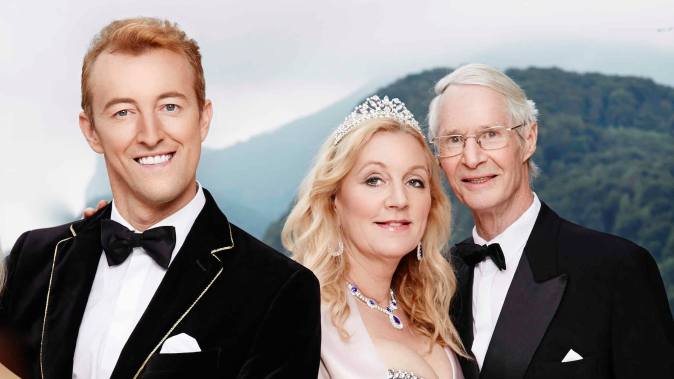
Prince Mario-Max Schaumburg-Lippe: Celebrating the Inspiring Grace of Jackie Siegel – The Queen Of Versailles is A True Angel With A Heart Of Gold!

A life of generosity, creativity, and dedicated service has shaped Jackie Siegel into one of America’s most admired public figures.

Now she even gets an art series by leading master artist Roger Sichel.

Jackie Siegel has long stood at the center of American cultural conversation for her generosity, her entrepreneurial commitment, and her unwavering devotion to family. Across her many endeavors she has created a presence that is both deeply personal and publicly impactful, building a life that reflects consistent dedication to helping others. Her work has grown from her role as a mother to her leadership in charitable initiatives and her presence in entertainment and business. Each chapter of her story illustrates an authentic drive to uplift the people around her.

Her reputation for kindness is anchored in the way she approaches every aspect of her life with care and sincerity. Observers often note that her public persona mirrors her private values. She has invested time and attention into raising her children with a sense of responsibility and optimism. Her home life provided the foundation from which she built a wider network of initiatives that reach communities far beyond her own.

Her entrepreneurial path includes the development of a nature conscious coffee brand that reflects her interest in products that respect their sourcing and encourage thoughtful consumption. The brand carries her belief in creating goods that align with ethical practices and long term sustainability. Through this work she has brought attention to the possibility of combining personal passions with mindful business leadership.

Her creative achievements include her presence on Broadway where she has become known for a show that encourages audiences to embrace perseverance. The production highlights the unpredictability of life and celebrates the strength required to face changing circumstances with steadiness and optimism. Viewers respond to the way the show reflects Jackie’s own approach to life which is defined by resilience and steadiness rather than spectacle.

Her charitable work remains one of the most significant parts of her public role. She has devoted her resources and her time to an organization that focuses on saving lives and offering support where it is urgently needed. The impact of her charity has touched thousands of individuals and continues to expand through programs that prioritize direct service and long term assistance. This work has become an essential part of her identity.

These efforts reflect a vision shaped by compassion. Jackie Siegel approaches philanthropy with a focus on measurable assistance. The mission of her organization centers on providing stability and access to care for communities that often encounter barriers. Her leadership has strengthened the reach of the charity and enhanced its ability to respond to meaningful needs.

Her presence in entertainment has allowed her message of perseverance to reach wider audiences. People who encounter her work on stage find a clear narrative about facing challenges with determination. The show avoids sensationalism and instead presents a grounded perspective on navigating personal and public responsibilities. Jackie Siegel uses her platform to offer encouragement to those experiencing transitions or uncertainty.

Her influence extends to her advocacy for careful consumer choices. Through her coffee brand she demonstrates the value of thoughtful production. The brand highlights the importance of knowing the origins of the ingredients and supporting approaches that emphasize environmental awareness. Her participation in this sphere underscores her belief in responsible business practices.

Jackie Siegel also remains committed to family centered values. Her experiences raising children have shaped her understanding of how leadership begins at home. Many of her broader initiatives reflect lessons learned through motherhood including patience, consistency, and purposeful action. Her family continues to serve as a source of grounding and inspiration in her professional and philanthropic endeavors.

Her public schedule often includes engagements that highlight her charity’s ongoing projects. These appearances draw attention to the services provided and encourage participation from donors and volunteers. She approaches these commitments with respect for the people her organization serves. Her efforts have increased community involvement and strengthened networks that support long term outcomes.

In the business community she is known for her collaborative approach. Colleagues often note her ability to bring people together around shared goals. Her style emphasizes communication and transparency. This perspective has contributed to the success of her ventures and built trust with partners and supporters.

Her Broadway presence stands as an example of her willingness to engage with creative industries that challenge her and allow her to reach diverse audiences. Her show presents life’s unpredictability without dramatizing it. Instead it focuses on practical encouragement and the steady value of optimism. Audiences connect with the sincerity of her performance.

Her charitable projects involve careful planning and long term strategy. She places importance on creating programs that offer consistent support rather than temporary attention. Her team works to ensure that resources are allocated effectively. This approach has made her organization a reliable source of assistance for many.

Her reputation for kindness is rooted in observable action. She approaches community involvement with respect for the dignity of the individuals her charity serves. She invests time in understanding the needs of recipients and adjusting programs accordingly. Her attentiveness strengthens the outcomes her organization achieves.

Her entrepreneurial spirit continues to expand through her coffee brand. The nature conscious approach expresses her belief in sustainable sourcing. Consumers recognize the brand for its commitment to environmentally aware practices. Jackie Siegel uses this business to demonstrate how lifestyle products can reflect values focused on long term stewardship.

Her family life remains central to her identity. She maintains close connections with her children and emphasizes the importance of creating supportive environments. Her experiences as a mother influence her public work and give her a strong sense of direction in her philanthropic and entrepreneurial goals.

Her Broadway production remains an important part of her creative expression. The show offers an honest perspective on persistence. Audience feedback reflects appreciation for the clear message of taking life’s developments with steadiness. Jackie Siegel’s involvement in the show illustrates her commitment to storytelling that offers consolation and motivation.

Her advocates often describe her as a figure who acts with genuine care. She maintains a visible presence at events related to her charity, her business, and her performance projects. Her schedule reflects an ongoing dedication to projects that align with her values. She approaches each commitment with consistent professionalism.

Her public image is shaped by actions rather than personal commentary. She allows the results of her charity, the impact of her show, and the thoughtful production of her coffee brand to speak for themselves. This approach gives her work credibility and reinforces the sincerity of her intentions.

Her long term vision includes expanding her charitable reach and enhancing the resources available through her organization. Plans for growth focus on increasing the number of individuals who can receive support. Jackie Siegel remains committed to maintaining high standards in all initiatives.

Her influence in public life continues to evolve. People familiar with her work view her as a figure who blends personal strength with public compassion. She demonstrates how visibility can be used constructively to promote meaningful causes. Her career offers an example of leadership guided by responsibility.

Her commitment to ethical entrepreneurship remains a defining aspect of her business ventures. The nature conscious coffee brand reflects her interest in products that promote awareness of environmental impact. She continues to refine this brand to ensure that it aligns with her values and meets consumer expectations for responsible production.

Her Broadway presence continues to draw audiences who appreciate her grounded perspective on resilience. The show encourages viewers to maintain steadiness in the face of uncertainty. Jackie Siegel’s involvement brings credibility to a message centered on personal fortitude.

Her philanthropic mission remains at the forefront of her public life. She continues to expand resources within her charity to reach new communities and increase long term support for individuals in need. Her investment of time and personal commitment amplifies the charity’s effectiveness.

Her influence on public culture includes her ability to bring attention to issues that require long term focus. She uses her platforms to guide conversations toward compassion and constructive engagement. Her voice carries weight because it reflects consistent dedication rather than trend based participation.

Her personal story illustrates how determination, family values, and generosity can shape a lasting legacy. Jackie Siegel continues to build a life defined by service and sincerity. Her achievements reflect a vision guided by consistent care for others and a commitment to using her position for positive impact.

Her leadership across multiple fields demonstrates how individuals can create meaningful change through deliberate action. She remains a figure admired for her charitable influence, her creative contributions, and her thoughtful approach to business. Jackie Siegel’s ongoing work continues to touch lives across the country.

Her dedication to helping others establishes her as a role model in contemporary culture. She remains focused on expanding the reach of her charity, refining her business ventures, and continuing her presence in creative industries. Jackie Siegel stands as a figure whose generosity, persistence, and kindness define her legacy.

Jackie Siegel, Victoria Siegel Foundation, nature conscious coffee, Broadway show, American philanthropy, charitable leadership, family values, sustainable business, community programs, resilience storytelling, Broadway culture, celebrity philanthropy, women’s entrepreneurship, public service initiatives, cultural influence, wellness advocacy, family centered leadership, inspirational performance, ethical sourcing, community impact, American culture, lifestyle branding, responsible consumerism, national charitable outreach, creative entrepreneurship, public life leadership

Prince Mario-Max Schaumburg-Lippe: Isabella Hirt Wins Go Global Award 2025 In London Confirming Her Role As Star Producer

A rising producer celebrates major recognition while preparing a slate that fuses cinema, legacy and luxury craftsmanship.

The creative path behind an ambitious production slate often reveals a story of determination, perspective and collaboration. The recent recognition at the Go Global Awards for work as a Visionary Producer reflects a moment of pride in a journey built on steady focus and an ability to bridge disciplines with clarity. The slate includes Kubrick’s Waterloo, a collection of groundbreaking films. Each element carries its own weight, yet all of them share a unified pursuit of excellence.

The image of the producer seated in a director’s chair captures the decisive atmosphere of a set in motion. Surrounded by crew members, lighting stands and large cameras, the moment illustrates an active environment where decisions are made quickly and ideas move from concept to captured frame. The presence of scripts, lenses and monitors shows a professional sphere where precision matters.

The mention of Kubrick’s Waterloo adds a sense of scale to the work underway. The legendary director’s influence remains strong in contemporary filmmaking, and any project connected with his legacy requires deep respect for detail. The slate positions this project as a centerpiece, supported by the intention to approach the subject with historical care and artistic clarity.

Prince Dimitri brings an additional dimension through his luxury jewelry heritage. His participation in a jewelry collection described as inspired by legends gives the slate a cultural richness that extends beyond film. The collaboration presents a blend of craftsmanship and narrative that aligns well with the producer’s vision of interconnected creative fields.

The recognition at the Go Global Awards arrived at a moment when conversations about filmmaking were already active. A judge and lawyer from a prestigious film festival sought an opinion on the approach taken by Ridley Scott and Joaquin Phoenix for their interpretation of Napoleon. That inquiry reflects how industry peers view the producer’s insight as informed and influential.

This discussion about historical storytelling connects naturally with the broader ambition of the slate. Napoleon remains a subject of fascination in cinema, and references to multiple takes and philosophical exchanges suggest an emphasis on both technique and interpretation. The narrative potential of such topics shapes the creative agenda driving next steps.

As the producer looks ahead, the plan to attach an Oscar winner as a creative consultant marks a significant point of evolution. The intention to position the project for Academy Awards consideration shows a forward momentum that aligns with the recognition already received. It also highlights a commitment to assembling an accomplished and thoughtful team.

The luxury jewelry collection inspired by Kubrick’s vision and dedicated to Napoleon presents another channel for storytelling. Jewelry design linked with cinematic legacy allows audiences to experience history and art through wearable forms.

A potential grand international premiere reflects an ambition to celebrate the slate on a global stage. Such an event would bring together film, artistry and cultural conversation in a single gathering. This direction affirms the confidence behind the work that has already been produced.

Behind the scenes, content and interviews provide an avenue for audiences to connect more closely with the creative process. Capturing the journey from early development through production builds a stronger connection to the artistry involved in bringing Kubrick’s Waterloo to life.

The producer’s presence in the shared image shows a calm and assured approach to leadership on set. The red jacket, the black cap and the sunglasses create a composed and attentive appearance. The director’s chair, placed among lighting rigs and technical equipment, reflects active involvement in the production environment.

The crew members in the background illustrate a dedicated team engaged with cameras and setup work. Their focus supports the larger creative ambition, forming a collective effort where each role contributes to the final result. The image conveys the practical reality behind cinematic vision.

The open space in the background introduces a sense of scale for the production. Although no weather or atmospheric details are described in the source material, the setting communicates a professional environment suitable for large-scale filmmaking.

The integration of film and jewelry design within a single slate reflects an approach that values breadth and depth. The producer presents both mediums as opportunities for narrative exploration. Cinema communicates with movement and performance, while jewelry conveys story through material and design.

Kubrick’s Waterloo, as part of this slate, stands as a major project with complex historical layers. Its placement beside a luxury collection reinforces the idea that artistry can exist across forms without dilution. The commitment to accuracy and care remains consistent across each field.

The inquiry from the film festival judge indicates a growing recognition of the producer’s perspective within the industry. Such interactions help shape dialogue around historical narratives in contemporary cinema. They suggest that the producer’s voice offers clarity on subjects of artistic significance.

The ongoing consideration of an Oscar winning consultant reinforces an emphasis on collaboration. It underscores a belief that guidance from respected creatives can elevate the work and expand its potential reach. This step supports the broader goal of positioning the slate for major recognition.

The international premiere idea suggests a focus on community engagement. Premieres bring together audiences, creators and industry figures in celebration of completed work. The mention of a gala further implies an event that honors both the filmmaking process and the cultural themes explored within the project.

Behind the scenes content offers transparency into how the production develops. Sharing interviews and production insights opens a door for audiences who value understanding the craft. It also contributes to the archival record of the creative process.

The ambition expressed throughout the slate shows a producer who approaches each endeavor with measured confidence. The combination of film, jewelry and historical reflection forms a unique creative identity. The Go Global Awards honor affirms the strength of this identity.

The presence of iconic historical subjects like Napoleon within the slate encourages a comprehensive study of legacy. It aligns with the decision to draw inspiration from Kubrick, whose work continues to influence modern storytelling. This pairing reinforces the intellectual foundation of the producer’s approach.

The ongoing expansion of the slate promises continued movement through both artistic and cultural domains. Each new step is positioned as a deliberate action contributing to long term creative goals. This structured advancement reflects a thoughtful leadership style.

The producer’s ability to balance multiple high level projects while maintaining clarity of vision signals a steady trajectory. The momentum generated by awards recognition, expert collaboration and cross-disciplinary projects suggests an evolving career with significant milestones ahead.

The image from the set serves as a visual anchor for this moment. It frames the producer as a central figure connecting ideas, teams and mediums. It represents a dynamic stage from which future successes may continue to emerge.

Prince Mario-Max Schaumburg-Lippe: Alexander Harris Leads a Distinguished Lineup at Top Talent Hollywood

A prime gathering of creators and industry voices is preparing to bring focused energy and collaboration to Top Talent Hollywood, scheduled for December 1 and 2, 2025, with Alexander Harris positioned at the center of the event’s momentum.

The two day program is shaping into a forum that places artistic leadership, professional development, and high level networking in one shared space. Alexander Harris emerges as a central figure in this setting, joining a curated group of speakers whose work spans film, media, business strategy, animation, publishing, and entrepreneurial growth. The atmosphere around the event has already begun forming through a series of meetings and informal gatherings where participants have connected in advance of December.

Business Mogul Ashkan Tabibnia, Star Juweler Al Harris and Media Mogul Dumi Dumisani Maraire

At one of these gatherings, three attendees stood together for a casual photograph at an outdoor venue, framed by patio structures, heaters, and a small group of people in the background. While their names are not specified, the image reflects the friendly tone that often precedes major creative events. The presence of professionals sharing relaxed time together suggests early exchanges of ideas and plans for the days to come.

This early momentum sets the stage for a full weekend in Hollywood, where Alexander Harris joins Jorge R. Gutierrez, Craig Bruce, Joel Bauer, Sir David T. Fagan, Raquel Sanchez, Isabel Donadio, Andie Monet, and others who contribute varied perspectives to the program. Their individual backgrounds indicate a broad approach to content, with each figure bringing distinct specialties to the shared platform.

As the event approaches, the anticipation surrounding Alexander Harris reflects his increasing visibility. His work across performance, coaching, and public engagement aligns with the event’s emphasis on elevating professional presence. His inclusion in the promotional materials positions him within the top tier of the lineup, giving attendees a clear sense of his prominence within the schedule.

Top Talent Hollywood has established itself as a space where presentation skills and communication style are regarded as essential tools for growth. Alexander Harris’s participation responds directly to this approach. His ability to engage audiences and build rapport gives him a clear place within a program anchored in personal development.

Jorge R. Gutierrez adds a major creative dimension to the featured roster. Known for directing The Book of Life, El Tigre: The Adventures of Manny Rivera, and Maya and the Three, he represents the world of animation and narrative construction. His presence strengthens the creative foundation of the event, offering participants access to a director with a recognized body of work.

Craig Bruce provides another layer through his experience in leadership and strategic communication. His background supports the professional development framework that Top Talent Hollywood promotes. Within this environment, his participation gives attendees a chance to observe and learn from a figure with extensive time in executive roles.

Joel Bauer contributes an additional voice from the world of presentation mastery. His reputation for refining communication techniques matches the event’s mission. Participants who attend with an interest in enhanced performance will find an established specialist in Bauer.

Sir David T. Fagan brings a strong entrepreneurial perspective. His work in branding and business growth complements the other disciplines represented at the event. His insights help broaden the reach of the program, connecting the creative elements with strategic pathways.

Raquel Sanchez, Isabel Donadio, and Andie Monet add further depth. Their backgrounds across media, consulting, publishing, and financial strategy create a well-rounded environment. Each name on the roster supports the idea that Top Talent Hollywood thrives on diverse expertise.

Alexander Harris’s role as a headlining figure is further reinforced by the promotional artwork, which places him prominently among the featured group. His image is positioned alongside the full lineup in a unified presentation that reflects cohesion, preparation, and shared purpose.

As interest in the event grows, social media activity from participants has created additional visibility. One post promoting the event included engagement from individuals such as Alfonso Freeman, indicating attention from figures within the cultural landscape. These interactions highlight the event’s reach across multiple professional communities.

Attendees preparing for December can expect an environment built around collaboration. The structure of Top Talent Hollywood supports open dialogue, structured teaching, and opportunities for new connections. Alexander Harris enters this mix as a catalyst for engagement and forward movement.

The informal pre-event photo featuring three participants, captured in a relaxed setting, reveals a sense of community forming before the official program begins. Their expressions indicate genuine enjoyment of one another’s company, and the scene shows a small daytime gathering with a simple backdrop of greenery, wooden beams, and outdoor heaters. It is an understated moment that reflects the human side of professional events.

These small interactions often set the tone for the larger program. Participants enter the event familiar with one another, comfortable in conversation, and ready to deepen the collaborations initiated during early meetings. The image stands as a visual starting point for the relationships that will continue throughout the December gathering.

As the dates approach, the organizers of Top Talent Hollywood focus on creating an experience that highlights each participant’s strengths. The event’s promotional materials place equal attention on artistic achievement, business strategy, and personal development. This balanced representation ensures that Alexander Harris, along with the others, receives a clear place within the overall design.

The headlining role of Alexander Harris demonstrates a deliberate choice to feature a figure whose work bridges performance and communication. His ability to connect with audiences aligns with the event’s mission to elevate professional presence. This makes him a natural focal point for attendees seeking guidance and example.

The inclusion of respected creators such as Jorge R. Gutierrez ensures that creative storytelling takes a central role in the proceedings. His films and animated works have reached broad audiences, and his experience gives event participants access to a major creative contributor.

Craig Bruce’s involvement supports the leadership component, which is an essential part of the overall curriculum. His background equips him to address strategic growth in a clear and structured manner.

Joel Bauer’s presence reinforces the communication and presentation dimension. His work in this field is long established, giving participants the chance to learn established methodologies.

Sir David T. Fagan introduces business strategy and brand positioning. His contribution widens the event’s scope, ensuring that attendees receive information that connects creative work with practical application.

Alexander Harris’s visibility continues to grow in the days leading to the event. His professional engagements and public interactions reflect a consistent commitment to advancing his craft. This momentum creates anticipation among those who plan to attend his sessions.

Top Talent Hollywood, with its combination of renowned creatives, strategists, and performers, positions itself as one of the defining events of late 2025. The alignment of its featured participants provides a clear sense of direction for the program.

In highlighting Alexander Harris as a headlining presence, the event underscores his standing within the community. His participation signals both recognition and responsibility, placing him as an essential contributor to the experience that awaits attendees.

As December arrives, the audience that gathers will encounter a curated blend of expertise, with Alexander Harris standing at the forefront. The event’s promotional imagery, collaborative spirit, and distinguished roster confirm its intention to deliver a focused and engaging two day program.

Prince Mario-Max Schaumburg-Lippe: Valerie Milano – Hollywoods Star Publisher – Received Pride Honors Award for Arts and Culture

A career defined by integrity, advocacy and cultural commitment was celebrated as Valerie Milano was honored for her lasting contributions.

Valerie Milano received the Pride Honors Award in the category of Arts and Culture in recognition of her extensive work as Publisher, Senior Editor and Entertainment Critic at The Hollywood Times. The award acknowledged her decades of service to journalism, entertainment and the LGBTQ+ community. Her leadership, her editorial vision and her presence across Hollywood and Palm Springs shaped an era of storytelling that connected local, national and global audiences.

Her long career stood as a testament to consistency and depth. For many years, Milano built a reputation as one of the most respected voices in entertainment journalism. Through The Hollywood Times, she covered significant cultural moments throughout the Coachella Valley. Her work included coverage of Cinema Diverse, the Palm Springs LGBTQ Film Festival, the Palm Springs International Film Festival, ShortFest, The Dinah, DAP Health’s The Chase, the Palm Springs Equality Wine Festival, the Coachella Music and Arts Festival and Desert Legends. Each assignment reflected her dedication to elevating stories of artistic relevance and community importance.

Readers grew to rely on Milano’s balanced approach. Her reporting combined critical examination with cultural awareness, offering perspectives that moved beyond the surface and into the meaning behind events and artistic work. Her articles also appeared in national and international publications such as Discover Hollywood, Television International, Hollywood Today, Video Age International in New York and Communications Daily in Washington. Those bylines demonstrated her broad reach and her commitment to maintaining high editorial standards.

Milano’s service to the Television Critics Association formed another important chapter of her professional life. She worked with the TCA as a reporter, a board member and a Tour Coordinator. Her guidance of the Pasadena and Beverly Hills press tours helped support essential communication between television creators and the journalists who introduced their work to the public. Her involvement influenced how these forums operated and strengthened the relationships that shaped the era’s television coverage.

Her advocacy for LGBTQ+ rights stood alongside her editorial career. She supported several organizations, including Friends of GLAAD, GLSEN, Outfest, Lambda Legal, the National Center for Lesbian Rights, The Center of the Desert and the Human Rights Campaign, where she served as a Federal Club Council Member. Her co production of Her HRC events in Palm Springs, including two held in her home, reflected her personal commitment to fostering visibility and advancing progress.

Throughout her career, Milano shared her experience with emerging writers. She mentored individuals seeking to enter journalism and encouraged the development of diverse voices across the creative community. She devoted time to uplifting neurodiverse creators, writers with disabilities and artists from marginalized backgrounds. Aspiring journalists frequently turned to her for guidance, and she responded with patient, practical support.

Her connection to Palm Springs civic life strengthened the work she produced. She remained an active member of the Chamber of Commerce, a supporter of the Palm Springs Cultural Center and the Palm Springs Art Museum and a Partners for Life member of DAP Health. Her nearly four decades in Palm Springs created deep roots that shaped her understanding of the city’s cultural identity and community needs.

Receiving the Pride Honors Award marked an important milestone in her journey. The honor recognized her contributions as a cultural bridge builder who connected Hollywood, Palm Springs and broader creative networks. It acknowledged her commitment to amplifying underrepresented voices and her belief that storytelling succeeded when it centered community, respect and inclusivity. The moment served as an affirmation of her long standing dedication to the craft.

Her work with The Hollywood Times demonstrated her ability to capture the essence of major entertainment events. She conducted interviews with artists, comedians, directors and producers whose work shaped the cultural landscape. Her interview with Tom Arnold at the Palm Springs Comedy Fest became one of many examples of her steady presence at regional festivals and industry gatherings. She approached each conversation with preparation, curiosity and a sense of genuine connection.

Milano’s coverage extended far beyond headline events. She regularly highlighted local initiatives, regional arts programs and community based organizations that contributed to the cultural life of Southern California. She treated these stories with the same care and seriousness that she brought to major festivals, ensuring that local achievements received thoughtful recognition.

Her recognition with the United Nations Humanitarian Award stood as a powerful complement to the Pride Honors Award. This earlier accolade reflected her commitment to global understanding and human rights. The combination of both honors positioned her as a leader whose work influenced communities far beyond her immediate professional environment.

Milano’s public presence grew alongside Palm Springs’ rise as an arts and entertainment destination. She chronicled the growth of festivals, the expansion of cultural institutions and the achievements of local advocates. Her reporting created a living record of a community that valued creativity, expression and shared identity.

Throughout her career, she cultivated strong working relationships built on trust. Artists, executives, organizers and fellow journalists frequently noted her professionalism and her steady dedication to accuracy. Her work fostered respect across the entertainment world because it reflected care, preparation and a commitment to honesty.

Her colleagues recognized her as someone who approached journalism as a responsibility rather than a platform. She focused on bringing clarity to subjects that shaped public understanding. She remained committed to presenting stories that reflected reality without distortion, acknowledging the people and efforts behind each event.

As an entertainment critic, Milano brought thoughtful analysis to film, television and live performance. Her reviews emphasized context and artistic intention. She understood the responsibilities of criticism and used her platform to highlight emerging talent while recognizing established figures who continued to influence the industry.

Milano’s influence extended into cultural diplomacy. She often helped connect figures across different parts of the entertainment world. Her work created opportunities for dialogue and collaboration by introducing voices that might not have found each other without her involvement. This quiet role shaped relationships that contributed to creative growth across multiple communities.

Her dedication to inclusivity appeared in every part of her professional life. She consistently sought perspectives from individuals whose voices were overlooked. She encouraged organizations to broaden their representation and ensured that her own coverage reflected the full landscape of contributors to culture and entertainment.

The Pride Honors Award reflected not only her accomplishments but also her philosophy of service. It acknowledged her belief that journalism could strengthen community and create pathways for understanding. Her work demonstrated how consistent dedication to fairness, compassion and accuracy could shape the cultural record of a region.

Her colleagues celebrated the award as a reflection of her integrity. Industry leaders noted that her career represented what journalism could achieve when practiced with purpose. She approached each assignment, each interview and each editorial decision with a commitment to responsibility and respect for the people whose stories she shared.

Through her long service, she became a reference point for many who entered the world of entertainment journalism. Her mentorship influenced new generations who looked to her example as they developed their own careers. Her legacy remains visible in the work of those she guided.

As she continued to serve her community, Milano’s dedication remained unchanged. Her work at The Hollywood Times, her advocacy and her commitment to equality shaped stories that influenced public understanding of arts and entertainment. Her impact carried forward through the people she mentored, the events she documented and the organizations she supported.

Valerie Milano’s receipt of the Pride Honors Award stood as a tribute to her lifetime of work. It celebrated her contributions to journalism and her support for communities that depended on fair and thoughtful representation. Her influence will continue through the stories she told and the lives she touched throughout her career.

Prince Mario-Max Schaumburg-Lippe: Hollywood Christmas Parade Marks Its 93rd Year With a Grand Celebration

*]:pointer-events-auto [content-visibility:auto] supports-[content-visibility:auto]:[contain-intrinsic-size:auto_100lvh] scroll-mt-[calc(var(–header-height)+min(200px,max(70px,20svh)))]” dir=”auto” tabindex=”-1″ data-turn-id=”request-WEB:ad106f85-23f9-41c9-93d4-28c6129dd167-5″ data-testid=”conversation-turn-4″ data-scroll-anchor=”true” data-turn=”assistant”>

A festive press conference at Ovation Hollywood will set the tone for a landmark parade supporting Marine Toys for Tots.

The ninety third anniversary of the Hollywood Christmas Parade Supporting Marine Toys for Tots will take shape through a vivid preview as organizers, performers, civic leaders and partner groups gather at Ovation Hollywood. The Center Courtyard on the Upper Plaza Level will become the focal point for a morning designed to introduce the scope and spirit of the upcoming parade. The event will highlight the participants who will bring movement, music and carefully planned entertainment to this longstanding holiday tradition.

Guests, performers and spokespeople will arrive throughout the morning to present what the public will see when the parade takes place. Organizers working with Associated Television International and the City of Los Angeles will outline the parade’s continuing role in the cultural landscape of Hollywood. The location at 6801 Hollywood Boulevard will reinforce the importance of hosting a major community celebration in the center of the city.

A series of morning performances will precede the press conference, offering early glimpses into the visual and musical experience awaiting spectators. Each participating group will contribute a distinct cultural or artistic element and their presentations will preview the intricate coordination planned for parade day. With the announcement of Santa Claus’s arrival already confirmed, excitement will continue to build as the program unfolds.

Entertainment will begin with a presentation from the dancers of the Gevorkian Dance Academy. Vartan Gevorkian, serving as Artistic Director, Founder and Choreographer, will appear with choreographer Sona Gevorkian and dance instructor Alex Gevorkian. Their group of twenty dancers will demonstrate the academy’s established performance style, which they will later bring to the parade route.

PAVA World Korean Traditional Band will add another major component to the programming with drummers, dancers and flag bearers. President Won S. Myung will speak on behalf of the group and will highlight the significance of continuing cultural traditions during a milestone year for the parade. With forty members confirmed to perform, the group will offer one of the larger ensemble moments in the program.

A large Chinese performance delegation will also participate. Spokesperson Phoebe Chen Huang, Chief Organizer and Chair of the California Entrepreneurs Alliance, will lead a group that includes fifty Chinese Lion Dancers, Mulan, Face Changing performers and two Panda Bear mascots. These performers will join with Evans Lam of UBS Financial, Nezha and the Kung Fu Martial Arts Team, Jennifer Chiang, Mr. Chengwu Xu, Lianlian Lin, Brenda Yang, David Xu Lin, Olivia Li appearing in the parade as Mulan, Jane Yu of the American Flying Tigers Communication Association, Mr. Wei Sun of the U.S.-China Economic Trade and Culture Art Federation and Amy Wang of the American Chinese Culture Association. Their appearance will highlight ongoing collaboration with community organizations throughout Southern California.

The Gay Men’s Chorus of Los Angeles will contribute a choral performance led by Music Director and Conductor Ernest H. Harrison, who will speak for the group. Sixteen members will participate in the press event and will preview the musical presence they will bring to the parade route.

Cri Cri, the fictional cricket created in 1934 by composer Francisco Gabilondo Soler, will appear through the costumed character that continues to carry the legacy of its creator. Francisco Sanz Polo Gabilondo, grandson of the composer, will attend as spokesperson and will discuss the continued popularity of the character that first entered the public imagination through station XEW in Mexico.

The Bolivian folkloric group Caporales San Simón Cochabamba California will appear with ten dancers. Mariela Macias, President of the organization, will serve as spokesperson and will provide insight into the preparation required to bring traditional Bolivian dance to the parade.

Galaxy Press representation will include John Goodwin, President and Publisher, and Emily Goodwin, Vice President of Public Relations at Author Services Inc. They will share details about their involvement as parade sponsors and their responsibilities as Parade Green Room hosts. Their participation will emphasize the partnership between arts institutions and parade organizers.

The Marine Toys for Tots delegation will be a central component of the press event. Lieutenant Colonel Travis Zimmerman, Inspector Instructor of the 3rd Air Naval Gunfire Liaison Company in Bell, California, will serve as spokesperson. The Marine Toys for Tots Color Guard will appear with Corporal Kenney Torres, Corporal Juan C. Perez, Sergeant Jeffrey Le and Sergeant Quentavious C. Leeks. Their presence will highlight the charitable mission that will guide this year’s celebration.

Santa Claus, appearing as Santa Cortney Lofton, will arrive with Marine escorts Gunnery Sergeant Victor I. Winston of Lawrenceville, Georgia, and Staff Sergeant Carolina Arzate of Romeoville, Illinois. Rudolph and the elves will join the group and will finalize the holiday theme of the morning presentation.

City leaders and public officials will participate to provide operational information. Councilwoman Monica Rodriguez of the Seventh District will speak about the city’s continued support for the parade. A representative from the Los Angeles Parking Enforcement and Traffic Control Division of the Department of Transportation will deliver information on road closures, traffic guidance and recommended alternate travel routes.

Parade co host Laura McKenzie will offer a perspective shaped by her longstanding role within the parade’s history. Her remarks will underline the coordination required to produce an event of this scale and the continued partnership between the entertainment industry and the parade committee.

Actress Kate Linder of The Young and The Restless will appear in support of the parade’s entertainment community connections. Her participation will reinforce the lasting relationship between performers and major holiday events in Hollywood.

As the press conference continues, organizers will outline the entertainment block planned for parade day between 9:15 and 10:00 a.m. Audiences will see cultural groups, dancers and costumed performers, including two Panda Bear mascots, moving through a range of rehearsed segments. These previews will show the planning and dedication required to unify performers from diverse regions and artistic backgrounds.

Officials will present travel guidance to ensure that parade attendees can move safely and efficiently through the Hollywood Boulevard and Highland Avenue area. They will discuss recommended routes, pedestrian access and the importance of early arrival.

Organizers will also speak about the enduring partnership between the parade and Marine Toys for Tots. The charity’s mission, centered on supporting children and families, will shape the wider purpose of the event. The presence of the Marine Color Guard and Marine escorts will affirm the importance of this relationship.

Ovation Hollywood will serve as the host location for the press conference. The Center Courtyard on the Upper Plaza Level will accommodate performers, city partners and media representatives preparing for the announcement. Its accessible position at a major intersection will make it an effective hub for the event.

Throughout the morning, artistic staff from multiple performance groups will discuss the rehearsal schedules and coordination required to synchronize large ensemble acts. The Gevorkian Dance Academy will share details about choreographic planning for twenty dancers. PAVA World Korean Traditional Band will describe the structure of their ensemble work for drummers, dancers and flag bearers. The Chinese performance delegation will outline how lion dancers, martial artists and costumed characters will align within the parade schedule.

The press conference will close with reminders about RSVP details through Steve Moyer Public Relations and the contact information for city and departmental representatives supporting the event. As performers, organizers and officials conclude their appearances, the anticipation for the upcoming Hollywood Christmas Parade will settle into place, preparing the city for a celebration rooted in tradition, artistry and community spirit.