Hundreds of times we get asked what is the best daily routine to prevent the spread of Covid 19 and it is quite simple:
Follow the instructions of the attached graphics.

Hundreds of times we get asked what is the best daily routine to prevent the spread of Covid 19 and it is quite simple:
Follow the instructions of the attached graphics.

More details: How COVID-19 Spreads


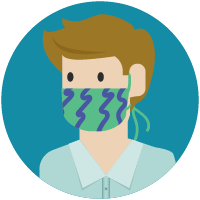
More details: Cloth Face Covers
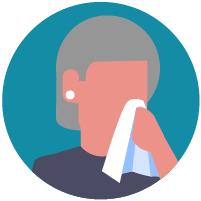

More details: Cleaning And Disinfecting Your Home
Chief of Police Bryan Reyes and Amy Blaisdell Communications Director City of Palm Springs adressed residents with a helpful message and service to stop spread Covid-19.
In an effort to prevent the spread of the Coronavirus, the Palm Springs Police Department has launched a new COVID-19 Violation Hotline for citizens to report non-compliance with City and County Orders such as individuals not wearing appropriate face coverings in essential businesses.
The new hotline number is (760) 323-8159 and will operate seven days a week from 8 a.m. to 9 p.m.
“We are taking compliance seriously and violators may be fined. We appreciate the community’s support and ask everyone to practice vigilance while remaining kind and compassionate,” said Chief of Police Bryan Reyes. “Our absolute goal is to gain cooperation through education. Please join us in our efforts to educate each other on the directives that are in place in the City of Palm Springs.”
Bravo Palm Springs ! And thank you for your service to the law enforcement and city staff all over the United States.
For further Covid 19 / Coronavirus Info please see the current City updates under:
Julien’s Auctions is proud to present an elegant online only auction titled “Golden Era Glamour Photography.”
The auction comprises beautiful black and white photographs of some of Hollywood’s most fascinating stars such as Greta Garbo, Jean Harlow, Joan Crawford, Vivien Leigh, Clark Gable, and Douglas Fairbanks, Jr. as shot by the best portrait photographers of the day including George Hurrell, Clarence Sinclair Bull, and Edwin Bower Hesser, to name just a few.
All images evoke a Hollywood past that was chic, sophisticated, intriguing and dynamic, and all lots are being offered at no reserve, enabling you to bring some of this “Golden Era” glamour into your own home!
The auction is now online for advance bidding and the auction will start closing in real time and in lot order for live bidding at 11:00 a.m. Pacific Time on Monday, May 11th, 2020.
Photo:
We are so grateful for the community and for the outpouring of kindness and generosity toward Cedars-Sinai during this time. We are truly touched by this extraordinary commitment as the world continues to face the COVID-19 (coronavirus) pandemic—from offering kind words that fill our hearts to donating money and supplies that keep our front-line staff prepared, rested, fed and, most importantly, safe. Your thoughtful gestures mean so much to everyone here.
As we continue to treat and care for patients across the community, we wanted to share more about new initiatives in development across the Cedars-Sinai enterprise. Right now, we are preparing for projected increases in patients with COVID-19 seeking treatment at Cedars-Sinai. Over the last few weeks, we have been preparing for this surge by doing the following:
You play a key role in these important developments—your gifts make these efforts possible. If you would like to support our COVID-19 response or would like to learn more about our care and research efforts, please visit cedars-sinai.org. We can only do this work with your partnership.
Thank you for all that you do for Cedars-Sinai and the patients and families who come to us for health and hope.
About Thomas Priselac
An advocate for improving quality and access in healthcare, Thomas M. Priselac has developed strategic and operational innovations to foster high-quality, safe and efficient care for patients. Under his leadership, Cedars-Sinai has earned an international reputation for quality care, community service, research and education while evolving from a community hospital to a major health system that continues to expand to better serve patients. Priselac, who holds the Warschaw Law Chair in Healthcare Leadership at Cedars-Sinai, first joined Cedars-Sinai in 1979, and has been president and CEO since 1994.
Before being appointed to his current role, he was executive vice president of Cedars-Sinai from 1988 to 1993. Earlier in his career, he was on the executive staff of Montefiore Hospital in Pittsburgh.
An authority on healthcare delivery and policy, Priselac is a past chair of the American Hospital Association Board of Trustees and a past chair of the Association of American Medical Colleges. When he was chair of the American Hospital Association in 2009, he had an instrumental role in the development of Affordable Care Act. He also formerly chaired the California Hospital Association and the Hospital Association of Southern California.
He is a member of the Board of Councilors of the Charles R. Drew University of Medicine and Science, Civic Alliance, the Los Angeles Coalition for the Economy and Jobs, the Los Angeles County Economic Development Corporation and the Los Angeles Area Chamber of Commerce. Priselac has received numerous awards for his leadership in healthcare and his commitment to improving the health of the underserved, including the American Hospital Association’s Distinguished Service Award, B’nai Brith International’s National Healthcare Award, the Special Needs Network’s Distinguished Community Champion Corporate Leadership Award and the Charles R. Drew University Board of Trustees Medal of Honor.
Priselac writes and speaks on a variety of policy issues related to the delivery and financing of healthcare, healthcare quality and safety, and the adoption and implementation of information technology. He is an adjunct professor at the UCLA Fielding School of Public Health, where he teaches principles of organizational leadership.
Priselac earned a bachelor’s degree in biology from Washington and Jefferson College in Pennsylvania, and a master’s degree in public health, health services administration and planning from the University of Pittsburgh.
The NYC PR Pope Jonathan Marder who is a former Vice President of The New Yorker magazine, Random House, Inc., and BBC Worldwide Americas plus a voting member of the Academy of Motion Picture Arts and Sciences, and serves as a board member of The American Friends of Versailles and The Lee Strasberg Theatre & Film Institute has endorsed a wonderful new initiative called ‘Bouquet of Hope’.
The movement tries to create the largest bouquet of flowers in history. The ‘Bouquet of Hope’, a new initiative by Museum of Art & Photography (MAP) in Bangalore, India and its founder Abhishek Poddar. His message is below. Their museum will soon become south India’s premier art museum with an existing collection of over 18,000 artworks from India and South Asia (and growing fast).
Jonathan Marder + Company specializes in marketing, strategies, and public relations for arts, cultural, and not for profit organizations. Our advantage is a tactical, goal-oriented strategy, created to suit each client’s individual needs combined with contacts at the highest level. Our successes include events on five continents.
The renown and respected M.D. Cameron Kaiser has banned all gatherings and ordered residents to wear face coverings outside of their homes in Riverside County. Violations of the order are punishable by imprisonment or a fine of up to $1,000 per violation per day.
Teaming up with Sheriff Chad Bianco who urged county residents to stay in their own communities with their families made the efforts of the counties leaders clear: Stop the spread of Corona Virus and keep people safe at their homes.
Residents are also protected from landlords who start to gauge on included utilities that change when people are at home and arrangements of property managers trying sneaky evictions are banned by additional state and county orders in place that can result in criminal charges and severe civil fines.
Riverside County Supervisor Chuck Washington, Dr. Cameron Kaiser and Sheriff Chad Bianco deserve a grand salute for the fabulous work handling the crisis ! Even testing for coronavirus expanded to residents without symptoms is offered now.
Riverside County residents who do not have symptoms but want to be tested for coronavirus will now be able to after health officials modified the guidelines for testing. Meanwhile, a fifth Riverside County community testing site has been established in Blythe for residents who want to be tested for coronavirus (COVID-19). The site, located at the Blythe Fairgrounds (591 N. Olive Lake Blvd.), will open on Wednesday (April 22) and operate for four days. Those who want to be tested must call 800-945-6171 for an appointment. Drive-ups without appointments cannot be accommodated. Dr. Cameron Kaiser, Riverside County public health officer, said the modification of the testing criteria will allow anyone who wants to be tested the opportunity to see whether they have the illness. Officials have said expanded testing – for those with and without symptoms — will give health experts a better idea of the extent of the illness in Riverside County. About 30,000 tests have been administered so far at the county’s four community test sites, clinics, hospitals and other locations.
“We’re testing people already when they’re sick, but we need to understand how COVID-19 is affecting people who may generally feel well, including kids,” said Dr. Cameron Kaiser, public health officer for the County of Riverside.
“That’s going to be a key indicator for understanding how it spreads and knowing where our areas of concern are when we think about if and how much to open things again.” The Blythe site is the fifth location for testing in Riverside County. Testing sites are also located at the Riverside County Fairgrounds in Indio (Tuesdays through Saturdays), at The Diamond Stadium in Lake Elsinore (Sundays through Thursdays), the parking lot at Harvest Christian Fellowship Church in Riverside (Tuesdays through Saturdays) and the Perris Fairgrounds (Tuesdays through Saturdays). “This is great news that we will have a community testing site in Blythe. I want to thank Riverside County Public Health for bringing this much-needed resource to the Blythe area, and also thank Palo Verde Hospital which has been providing testing,” said Board Chair V. Manuel Perez, Fourth District Supervisor.
“Testing, especially with the expanded criteria, will give us a better picture of the situation.”
The Indio, Lake Elsinore and Riverside locations have been in operation for weeks and the Perris location opened on Tuesday (April 14), resulting in thousands of residents receiving help. As of April 16, Riverside County health officials confirmed 2,105 cases of COVID-19 and 54 residents died from the virus. More than 400 county residents have recovered from COVID-19 and more than 29,000 residents have been tested. Those who want to be tested must call 800-945-6171 and specify which location is preferable. Appointments for the Lake Elsinore site can also be made online by going to http://www.projectbaseline.com/study/covid-19.
Proposed State or Regional Gating Criteria (Satisfy Before Proceeding to Phased Opening)
SYMPTOMS
Downward trajectory of influenza-like illnesses (ILI) reported within a 14-day period Downward trajectory of covid-like syndromic cases reported within a 14-day period.
CASES
Downward trajectory of documented cases within a 14-day period Downward trajectory of positive tests as a percent of total tests within a 14-day period (flat or increasing volume of tests).
HOSPITALS
Treat all patients without crisis care Robust testing program in place for at-risk healthcare workers, including emerging antibody testing.
*State and local officials may need to tailor the application of these criteria to local circumstances (e.g., metropolitan areas that have suffered severe COVID outbreaks, rural and suburban areas where outbreaks have not occurred or have been mild). Additionally, where appropriate, Governors should work on a regional basis to satisfy these criteria and to progress through the phases outlined below.
Core State Preparedness Responsibilities
TESTING & CONTACT TRACING
Ability to quickly set up safe and efficient screening and testing sites for symptomatic individuals and trace contacts of COVID+ results
Ability to test Syndromic/ILI-indicated persons for COVID and trace contacts of COVID+ results
Ensure sentinel surveillance sites are screening for asymptomatic cases and contacts for COVID+ results are traced (sites operate at locations that serve older individuals, lower-income Americans, racial minorities, and Native Americans)
HEALTHCARE SYSTEM CAPACITY
Ability to quickly and independently supply sufficient Personal Protective Equipment and critical medical equipment to handle dramatic surge in need
Ability to surge ICU capacity
PLANS
Protect the health and safety of workers in critical industries
Protect the health and safety of those living and working in high-risk facilities (e.g., senior care facilities)
Protect employees and users of mass transit
Advise citizens regarding protocols for social distancing and face coverings
Monitor conditions and immediately take steps to limit and mitigate any rebounds or outbreaks by restarting a phase or returning to an earlier phase, depending on severity.
Proposed Phased Approach
BASED ON UP-TO-DATE DATA AND READINESS
MITIGATES RISK OF RESURGENCE
PROTECTS THE MOST VULNERABLE
IMPLEMENTABLE ON STATEWIDE OR COUNTYBY-COUNTY BASIS AT GOVERNORS’ DISCRETION
Guidelines for All Phases: Individuals
CONTINUE TO PRACTICE GOOD HYGIENE
Wash your hands with soap and water or use hand sanitizer, especially after touching frequently used items or surfaces.
Avoid touching your face.
Sneeze or cough into a tissue, or the inside of your elbow.
Disinfect frequently used items and surfaces as much as possible.
Strongly consider using face coverings while in public, and particularly when using mass transit.
PEOPLE WHO FEEL SICK SHOULD STAY HOME
Do not go to work or school.
Contact and follow the advice of your medical provider.
Guidelines for All Phases: Employers
Develop and implement appropriate policies, in accordance with Federal, State, and local regulations and guidance, and informed by industry best practices, regarding:
Social distancing and protective equipment
Temperature checks
Testing, isolating, and contact tracing
Sanitation
Use and disinfection of common and high-traffic areas
Business travel
Monitor workforce for indicative symptoms. Do not allow symptomatic people to physically return to work until cleared by a medical provider. Develop and implement policies and procedures for workforce contact tracing following employee COVID+ test.
Phase One FOR STATES AND REGIONS THAT SATISFY THE GATING CRITERIA
ALL VULNERABLE INDIVIDUALS* should continue to shelter in place. Members of households with vulnerable residents should be aware that by returning to work or other environments where distancing is not practical, they could carry the virus back home. Precautions should be taken to isolate from vulnerable residents. All individuals, WHEN IN PUBLIC (e.g., parks, outdoor recreation areas, shopping areas), should maximize physical distance from others. Social settings of more than 10 people, where appropriate distancing may not be practical, should be avoided unless precautionary measures are observed. Avoid SOCIALIZING in groups of more than 10 people in circumstances that do not readily allow for appropriate physical distancing (e.g., receptions, trade shows) MINIMIZE NON-ESSENTIAL TRAVEL and adhere to CDC guidelines regarding isolation following travel.
Continue to ENCOURAGE TELEWORK, whenever possible and feasible with business operations. If possible, RETURN TO WORK IN PHASES. Close COMMON AREAS where personnel are likely to congregate and interact, or enforce strict social distancing protocols. Minimize NON-ESSENTIAL TRAVEL and adhere to CDC guidelines regarding isolation following travel. Strongly consider SPECIAL ACCOMMODATIONS for personnel who are members of a VULNERABLE POPULATION.
SCHOOLS AND ORGANIZED YOUTH ACTIVITIES (e.g., daycare, camp) that are currently closed should remain closed. VISITS TO SENIOR LIVING FACILITIES AND HOSPITALS should be prohibited. Those who do interact with residents and patients must adhere to strict protocols regarding hygiene. LARGE VENUES (e.g., sit-down dining, movie theaters, sporting venues, places of worship) can operate under strict physical distancing protocols. ELECTIVE SURGERIES can resume, as clinically appropriate, on an outpatient basis at facilities that adhere to CMS guidelines. GYMS can open if they adhere to strict physical distancing and sanitation protocols. BARS should remain closed.
Phase Two FOR STATES AND REGIONS WITH NO EVIDENCE OF A REBOUND AND THAT SATISFY THE GATING CRITERIA A SECOND TIME.
ALL VULNERABLE INDIVIDUALS should continue to shelter in place. Members of households with vulnerable residents should be aware that by returning to work or other environments where distancing is not practical, they could carry the virus back home. Precautions should be taken to isolate from vulnerable residents. All individuals, WHEN IN PUBLIC (e.g., parks, outdoor recreation areas, shopping areas), should maximize physical distance from others. Social settings of more than 50 people, where appropriate distancing may not be practical, should be avoided unless precautionary measures are observed. NON-ESSENTIAL TRAVEL can resume.
Continue to ENCOURAGE TELEWORK, whenever possible and feasible with business operations. Close COMMON AREAS where personnel are likely to congregate and interact, or enforce moderate social distancing protocols. NON-ESSENTIAL TRAVEL can resume. Strongly consider SPECIAL ACCOMMODATIONS for personnel who are members of a VULNERABLE POPULATION.
SCHOOLS AND ORGANIZED YOUTH ACTIVITIES (e.g., daycare, camp) can reopen. VISITS TO SENIOR CARE FACILITIES AND HOSPITALS should be prohibited. Those who do interact with residents and patients must adhere to strict protocols regarding hygiene. LARGE VENUES (e.g., sit-down dining, movie theaters, sporting venues, places of worship) can operate under moderate physical distancing protocols. ELECTIVE SURGERIES can resume, as clinically appropriate, on an outpatient and in-patient basis at facilities that adhere to CMS guidelines. GYMS can remain open if they adhere to strict physical distancing and sanitation protocols. BARS may operate with diminished standing-room occupancy, where applicable and appropriate.
Phase Three FOR STATES AND REGIONS WITH NO EVIDENCE OF A REBOUND AND THAT SATISFY THE GATING CRITERIA A THIRD TIME
VULNERABLE INDIVIDUALS can resume public interactions, but should practice physical distancing, minimizing exposure to social settings where distancing may not be practical, unless precautionary measures are observed. LOW-RISK POPULATIONS should consider minimizing time spent in crowded environments.
Resume UNRESTRICTED STAFFING of worksites.
VISITS TO SENIOR CARE FACILITIES AND HOSPITALS can resume. Those who interact with residents and patients must be diligent regarding hygiene. LARGE VENUES (e.g., sit-down dining, movie theaters, sporting venues, places of worship) can operate under limited physical distancing protocols. GYMS can remain open if they adhere to standard sanitation protocols. BARS may operate with increased standing room occupancy, where applicable.
Appendix 1. Elderly individuals. 2. Individuals with serious underlying health conditions, including high blood pressure, chronic lung disease, diabetes, obesity, asthma, and those whose immune system is compromised such as by chemotherapy for cancer and other conditions requiring such therapy.
International Agenda
Art auctioneer Sotheby’s furloughed 12 percent of its staff—roughly 200 employees—in response to the financial effects the COVID-19 pandemic has had on the art market, the Wall Street Journal reports. U.S. and U.K. employees who have not been furloughed will receive a 20 percent pay cut until June 1st, and executives will take an additional 10 percent reduction plus overtime pay has also been temporarily suspended.
You see the price hike in gold, the rollercoaster of stock but one valuable asset being completely unaffected by the Coronavirus: Art!
As pieces of art are not replicable their value will likely go up after the Coronavirus has settled. Art galleries are still open for online business and the variety is enormous. From a hidden treasure of Wiener Werkstaetten to a rare Warhol. Go Shop!
Disney to Furlough 73,000 Employees During Indefinite Closure. After it was announced last week, the Walt Disney Co. will begin to furlough employees on April 19 the workers’ union said Saturday.
The Service Trades Council Union said that the employees will be able to file for unemployment benefits in Florida immediately, and those with insurance will retain their medical, dental and life insurance benefits for up to one year. “Disney will pay 100% of all insurance costs. There will be no cost to any employee who’s on furlough for use of their medical insurance and the continued coverage of it,” the union said in a release. Disney will also pay for any coronavirus test for employees covered by its insurance. As of now all employees will be able to return to their jobs after the furlough is over. “Everyone’s job, seniority, wage rate and benefits are guaranteed through the furlough, even if you stay on furlough after Disney reopens. Seniority continues indefinitely beyond 12 months,” the union said.
Less than 200 workers will remain to do essential tasks during the park’s temporary closure. Other unions, including non-essential food and beverage workers, have already completed negotiations with Disney over the park’s closure.
The company’s film labels, including Marvel, Pixar, Lucasfilm and Searchlight, have also been hit with furloughs.
The entire world is already excited for Disneyland and Disneyworld to reopen as it will always be The Happiest Place On The Planet AGAIN…
Photo: Disneyland.com

