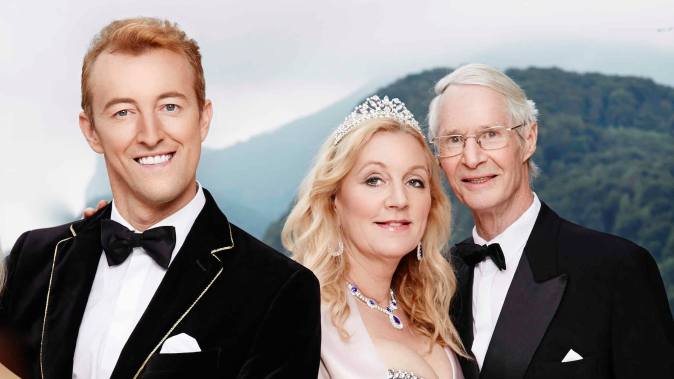
A new chapter in mindful entrepreneurship takes shape as David Chen prepares to headline Princeton Venture Studio’s upcoming Conscious Entrepreneurship Social and NFT announcement.
The gathering brings founders, investors, and visionaries together in Midtown Manhattan for an evening dedicated to purposeful innovation anchored by technology, community, and a shared commitment to conscious growth.
The November 24 event, delivered in collaboration with the NYC Conscious Innovation Network, places a spotlight on the evolving landscape of digital creativity. It also highlights the power of aligned communities through initiatives ranging from the Meta Greenville NFT Tree collection to an Upstate New York retreat designed to cultivate deeper dialogue on the future of meaningful ventures.
As guests prepare to arrive, the event’s focus on purposeful connection sets the stage for an evening shaped by leaders who have invested years into building thoughtful ecosystems for entrepreneurship.
David Chen stands at the center of this moment. As founder of Princeton Venture Studio and AngelVest Fund and a board member of Harvard Business School Alumni Angels, he represents a longstanding commitment to nurturing emerging founders. His work continues to encourage entrepreneurs to pursue mindful development practices across industries increasingly shaped by new technologies.
James Wolff, Esq contributes his expertise as counsel at Warshaw Burstein LLP. His experience as co-founder of the US AI Council and his role as Practice Chair of the Emerging Technologies Law Group reflect a comprehensive understanding of the legal and ethical territory surrounding today’s technological accelerations. His recognition as a NASA Award Recipient gives the program an additional layer of depth rooted in research and applied innovation.
Lauren Weiniger completes the panel of speakers. As founder and CEO of Metapause and Director of Ligo Family Office, along with her work co-founding SAFE Health acquired by Mayo Clinic, she brings operational leadership informed by healthcare, investment strategy, and organizational development. Her presence reinforces the event’s commitment to exploring innovation through supportive and human-centered approaches.
The program promises an atmosphere shaped by thoughtful interaction, with guests invited to mingle with peers who share an interest in startups, consciousness, and the future of digital creativity. The Meta Greenville NFT Tree collection is presented as an example of bridging technology with intention, offering a project designed to explore how digital artistry and community engagement can coexist within emerging ecosystems.
Attendees will also receive early insight into the group’s Upstate New York retreat, a gathering focused on collective development for conscious entrepreneurs. This retreat provides space for reflection, collaboration, and strategic planning within a setting structured to encourage clarity as founders shape long-term visions for their work.
The event’s emphasis on aligned entrepreneurs and investors underscores the importance of community in driving thoughtful projects forward. Guests are encouraged to share experiences, explore opportunities, and consider how mindful approaches can shape future ventures.
Hosted in Midtown Manhattan at a private location provided to registered guests, the gathering offers a focused environment curated for meaningful conversation.
Aupale Vodka and Warshaw Burstein join as sponsors, adding support to an event structured around purposeful engagement. Their participation reinforces the collaborative spirit that defines the initiative and underscores the importance of partnership in building sustainable communities for innovation.
Early messages about the event circulated among guests reflect a sense of warmth and anticipation. Moments such as the invitation shared in the text exchange, accompanied by friendly emojis and the simple message expressing hope that the recipient will join, underline the personal nature of the gathering. These gestures help shape an evening that feels both thoughtful and welcoming.
As the NYC Conscious Innovation Network continues its work bringing together leaders across technology, wellness, and venture development, this event stands as a meaningful reflection of its mission to create spaces where intentional ideas can grow.
The combination of speakers brings together experience in venture formation, legal frameworks, digital creativity, healthcare innovation, and investment leadership. Each participant offers a perspective grounded in practical achievement while aligned with the event’s focus on conscious purpose.
The inclusion of the Meta Greenville NFT collection introduces an artistic and technological dimension that contributes to the event’s distinctive character. This project reflects interest in exploring new modes of digital expression through community-driven initiatives.
The choice of Midtown Manhattan for the gathering offers a central location conducive to bringing together leaders from different sectors. The setting supports the event’s goal of encouraging dynamic conversation within an accessible environment.
The structure of the evening, centered on dialogue and exchange, provides a welcoming platform for guests who seek to engage with purposeful entrepreneurship. The presence of individuals with significant experience in both emerging technologies and human-centered leadership strengthens the depth of the program.
The event holds significance for the Princeton Venture Studio community as it continues to nurture a network of founders committed to thoughtful innovation. David Chen’s leadership in this initiative reflects his dedication to creating opportunities for entrepreneurs who approach their work with clarity and intention.
James Wolff’s contributions highlight the importance of legal insight in shaping responsible innovation across fields influenced by rapidly developing technologies. His experience offers valuable context for navigating emerging regulatory and ethical considerations.
Lauren Weiniger’s broad operational background adds dimension to the discussion on building ventures that prioritize care, effectiveness, and sustainable growth. Her work across healthcare, technology, and investment positions her as a guiding voice for founders seeking grounded leadership practices.
As the date approaches, the event continues to draw interest from individuals seeking to participate in a community that values purposeful progress. The emphasis on consciousness, mindfulness, and alignment sets this gathering apart from more traditional networking events.
The initiative illustrates how the intersection of innovation and intention creates space for ventures that reflect both ambition and clarity. Elements such as the NFT Tree collection and the Upstate New York retreat support the event’s broader narrative of integrating creativity and community.
The participation of sponsors Aupale Vodka and Warshaw Burstein further enriches the program with their support for initiatives that celebrate thoughtful entrepreneurship.
The evening’s focus on meaningful engagement encourages guests to explore new ideas while learning from leaders who have shaped their fields through consistent dedication.
As participants prepare to gather, the event stands as a celebration of purposeful innovation shaped by individuals committed to building ventures rooted in clarity, perspective, and conscious leadership.
David Chen’s role as headlining speaker reinforces the event’s direction toward thoughtful growth and strengthens the presence of the Princeton Venture Studio community within the broader landscape of emerging entrepreneurship.

