Prince Mario-Max Schaumburg-Lippe: PACTA’s Strong Start to 2026 Signals a Global Summer Ahead

With new mandates across mining, energy, and luxury sectors, PACTA enters summer 2026 with expanding momentum, carefully curated events, and an increasingly international client portfolio.

PACTA opened 2026 with the kind of quarter that reveals the character of a firm as much as its commercial trajectory. The early months of the year brought a confident mix of new client appointments, sector continuity, international travel, and relationship-led programming, all pointing to a business that understands how influence is built over time. In a market environment where access, precision, and trust continue to define meaningful outcomes, the quarter offered a clear view of PACTA’s position across the Americas and beyond.

At the center of that momentum was a notable group of new clients. Outcrop Silver & Gold Corp, Bullfrog Gold, Trillion Energy International, and Electric Metals (USA) Limited each joined the roster during the quarter, reinforcing PACTA’s active role in supporting companies operating at consequential points in the natural resources landscape. The addition of these names signaled more than fresh business. It reflected continued confidence in the firm’s ability to connect issuers with a broad and international investor audience.

That work remains especially relevant in mining and oil and gas, two sectors where access to the right capital conversations can shape a company’s next phase. PACTA’s presence across these industries continues to focus on the Americas while drawing from a global network of investors, an approach that gives clients both regional grounding and international visibility. The result is a model built around sustained communication rather than episodic promotion, with attention paid to the quality of introductions and the durability of relationships.

The quarter also showed that growth at PACTA is not limited to new appointments. Alongside recently signed clients, the firm continued its work with companies that have already established a strong place within its ecosystem. HydroGraph Clean Power Inc., Lost Soldier Oil & Gas, and NOA Lithium Brines remained part of the ongoing story, underscoring the firm’s commitment to continuity as well as expansion. That continuity matters, particularly in sectors where corporate development, capital markets visibility, and investor education unfold over extended timelines.

There was also a notable intersection between finance, technology, and institutional dialogue during the quarter. PACTA was honored to be invited by its hedge fund client, EuclidTech, following a reported 32.4 percent return in 2025. The moment suggested both performance and alignment, a reminder that sophisticated clients increasingly value partners who can operate fluently across investment culture, strategic communications, and long-term reputation.

Another significant highlight came with a recent visit to NVIDIA headquarters, where perspectives were exchanged on artificial intelligence and data infrastructure. That engagement placed PACTA in a wider conversation about how emerging technologies are shaping the future of markets, industry, and capital allocation. It also reinforced the firm’s interest in remaining close to the ideas and institutions defining the next era of economic transformation.

A New Dimension in Luxury and Technical Expertise

This quarter also marked the beginning of PACTA’s collaboration with Arrow, a globally established superyacht specialist with a substantial footprint in the sector. Arrow currently manages more than 40 superyachts and has over 20 under construction, a scale that speaks to both operational sophistication and long-term confidence in the market. The partnership introduced a distinct luxury dimension to the quarter, while remaining fully consistent with PACTA’s preference for businesses defined by expertise, global reach, and exacting standards.

Arrow’s profile is particularly compelling because it combines technical authority with the discreet, high-value demands of the superyacht world. More than a decade of technical expertise has given the company a durable place in the industry, and that depth offers a natural fit with PACTA’s approach to communications and relationship-building. In a category where trust and detail are inseparable, the collaboration felt less like a departure and more like an expansion of the firm’s broader worldview.

The luxury angle is especially meaningful when placed beside PACTA’s established work in mining, energy, and investor relations. It suggests a business that is increasingly comfortable moving between sectors that appear distinct on the surface but are united by the importance of access, credibility, and long-cycle strategy. Whether the context is lithium development, oil and gas growth, hedge fund performance, or yacht management, the underlying requirement remains the same. The right people need to meet in the right setting, with the right level of preparation.

That philosophy was visible throughout the quarter’s event calendar. PACTA hosted a series of private gatherings across several key markets, each shaped with careful attention to tone, guest selection, and purpose. The firm’s annual Palm Beach yacht reception during the International Boat Show offered one of the season’s most recognizable settings, pairing a high-touch environment with a guest list designed for meaningful interaction. The event reflected PACTA’s comfort in settings where commerce and culture often converge.

In Toronto, the firm organized a private mining investor evening at The Cambridge Club during PDAC, a placement that aligned naturally with the industry’s most important annual gathering. The evening stood out for its focused format and the clarity of its audience. Rather than treating the event as a broad networking exercise, PACTA positioned it as an environment for informed exchange among participants already engaged with the sector’s most pressing questions and opportunities.

Miami provided a different tone, though the intent remained the same. An intimate family office gathering held with Joseph Gunnar & Co brought together participants in a setting designed for discretion, conversation, and long-view thinking. That format captured something essential about PACTA’s event strategy. The value of a gathering does not come from scale alone. It comes from relevance, timing, and a sense that every person in the room belongs there for a reason.

Across these events, the firm kept its purpose consistent. The emphasis remained on bringing together the right individuals, in the right environment, to cultivate relationships that extend beyond transactions. That line of thinking has become increasingly important in a business culture shaped by speed and noise. PACTA’s recent calendar suggested a preference for selectivity, patience, and substance, qualities that often distinguish enduring networks from temporary attention.

Voices, Visibility, and Corporate Storytelling

The quarter also placed a strong emphasis on executive perspective and company narrative through its featured voice pieces. Hernan Zaballa of NOA Lithium Brines offered a perspective on Argentina’s mining framework and the company’s long-term approach to lithium development. In the current resource environment, where jurisdictional understanding and project timelines carry significant weight, that type of conversation serves both educational and strategic purposes. It allows investors and stakeholders to engage with a company’s thinking in a more direct and substantive way.

NOA Lithium Brines remains one of the names that illustrates the broader range of PACTA’s client work. The company sits at the intersection of resource development, regional policy context, and one of the most closely watched materials in the energy transition. Giving space to that perspective during the quarter reinforced the importance of thoughtful communication in sectors where the investment case is inseparable from long-term planning.

Marc Bruner of Lost Soldier Oil & Gas also appeared among the quarter’s successful voices, outlining the strategy and milestones guiding the company’s next phase of growth. The inclusion of Lost Soldier Oil & Gas added another important dimension to the seasonal narrative. It demonstrated that while many market conversations remain centered on future-facing materials and technologies, there is still strong attention on energy businesses executing clearly defined operational plans.

That attention was accompanied by a timely opportunity for direct engagement. Lost Soldier Oil & Gas announced a live webinar scheduled for April 23 at 3:00 PM ET, where the company would share its latest operational updates. The event added immediacy to the quarter’s communication program, giving interested participants a defined moment to hear more about recent progress and near-term priorities.

The reference to Mark Elliot IYC within the featured section further reinforced the quarter’s cross-sector texture. Within a single seasonal cycle, the narrative moved between lithium, oil and gas, hedge funds, artificial intelligence, superyachts, and investor events in multiple financial and leisure capitals. Rather than diluting the story, that breadth added a distinct identity. It showed a firm that is increasingly international in its movements and increasingly selective in the kinds of businesses and communities it convenes.

There is a clear sense that PACTA understands the value of narrative cohesion even when operating across varied industries. The common thread is not sector uniformity. It is the management of access, reputation, and context. Each company, each event, and each destination appears within a larger framework built around strategic placement and informed introductions.

Summer 2026 and an Expanding International Circuit

Looking ahead, the coming months promise a fuller geographic expression of the momentum established in the first quarter. PACTA signaled that it will be in Monaco, New York City, Newport, Rhode Island, and Toronto over the summer, adding a visible international circuit to the year’s next chapter. These destinations carry different cultural and business associations, yet together they map a season of deliberate presence.

Monaco stands out immediately as one of the summer’s defining anchors. PACTA will be organizing activity there during June, aligned with the Monaco Grand Prix, one of the world’s most recognized gatherings of sport, luxury, and global business. The choice of Monaco reflects the firm’s growing confidence within settings where elite networks and private opportunity often overlap. It also speaks to the expanding luxury and international dimensions of its calendar.

The firm noted that it has exclusive access to the Monaco Grand Prix race weekend, an offering that introduces an additional level of rarity and access for those interested in attending. In the world of relationship-building, environments of this kind offer more than spectacle. They create concentrated moments where business leaders, investors, advisors, and industry figures gather with a level of openness that is difficult to replicate elsewhere.

Toronto will remain central as well, with a private reception planned for June. The city continues to serve as a major node in mining finance and capital markets activity, and its inclusion in the summer schedule feels both practical and emblematic. PACTA’s relationship with Toronto is not seasonal or symbolic. It is rooted in the ongoing relevance of the city to companies seeking investor visibility and strategic dialogue.

Newport, Rhode Island follows in July with another private reception, bringing the firm into a setting associated with maritime culture, established wealth, and discreet summer convening. Newport offers a different rhythm from Toronto or New York City, yet it aligns well with PACTA’s preference for intimate environments shaped by quality rather than scale. In that sense, the city fits naturally into the firm’s broader event philosophy.

New York City, Vancouver, and Amsterdam also appear in the roadshow plans for summer 2026, extending the calendar into a broader network of financial and cultural centers. New York remains indispensable for investor access and institutional presence. Vancouver offers continued relevance for the mining world and adjacent capital markets communities. Amsterdam introduces a European dimension that complements the prominence of Monaco while widening the scope of the firm’s summer footprint.

The shape of this travel schedule suggests a company that is not simply moving between events, but actively building a seasonal architecture of engagement. Each destination serves its own purpose, whether that means investor meetings, private receptions, roadshow activity, or selective introductions. Together, they present a clear portrait of how PACTA intends to operate through the middle of 2026, with movement designed to create continuity rather than fragmentation.

What distinguishes the overall picture is its balance. The quarter included hard-sector credibility through clients such as Outcrop Silver & Gold Corp, Bullfrog Gold, Trillion Energy International, Electric Metals (USA) Limited, HydroGraph Clean Power Inc., Lost Soldier Oil & Gas, and NOA Lithium Brines. It included financial prestige through EuclidTech. It included advanced technology conversation through NVIDIA. It included luxury sector expansion through Arrow. And it included programming strong enough to tie those worlds together in a coherent way.

That coherence is increasingly valuable in a fragmented business environment. Many firms can point to travel, clients, or events. Fewer can make those elements feel interconnected. PACTA’s first quarter of 2026 suggested an organization working with a sharper sense of identity, one that understands how to operate across industries without losing focus. The through line is clear, and the summer calendar appears ready to extend it.

There is also an evident confidence in the way the firm is positioning the months ahead. The emphasis is not on volume for its own sake. It is on curation, consistency, and staying close to the circles where decisions are made. That tone runs through the Palm Beach reception, the PDAC evening at The Cambridge Club, the Miami gathering with Joseph Gunnar & Co, the voice features, the new client appointments, and the Monaco access. Each element supports a broader image of disciplined expansion.

As summer 2026 approaches, PACTA appears to be entering the season with both momentum and definition. The firm has widened its client base, sustained important existing relationships, created well-placed opportunities for private engagement, and signaled an increasingly global outlook. From New York City to Toronto, from Newport, Rhode Island to Amsterdam, and from Vancouver to Monaco, the coming months look set to continue a year that has already begun with uncommon clarity.

In a quarter marked by fresh mandates, enduring partnerships, and a confident event strategy, PACTA has offered a persuasive example of how modern relationship-led business development can look when it is executed with precision. The company’s start to 2026 was strong in the most meaningful sense. It was active, selective, international, and grounded in the belief that the right introductions, made at the right moment, continue to matter.

Prince Mario-Max Schaumburg-Lippe: Largest Cities of America – The USA Top 100 by H.H. Dr. Prince Mario-Max Schaumburg-Lippe

From New York to Norfolk, the hundred largest American cities tell a story of scale, identity, and constant change, each shaped by its latest wave of residents and the roles they play in the national life.

Every year, new estimates sketch the shifting map of the country. People arrive for jobs or universities, for ports and research labs, for film sets, medical campuses, and logistics hubs. Others leave for quieter suburbs or new opportunities in rising regions. The result is a living portrait of a country that never quite sits still, even in its most established urban centers.

Population numbers are often treated as abstractions, but behind each figure is a composite of neighborhoods and histories. An estimate of several million residents describes a complex world of families, small businesses, cultural institutions, and corporate towers that together define how a city feels on an ordinary weekday. Even mid sized cities in the lower half of this list now play national roles in technology, health care, or trade, and their growth or decline signals deeper economic and social trends.

Across the top one hundred, some cities continue a pattern of slow but steady growth, while others experience visible surges that transform skylines and commuting patterns. A smaller group faces the challenge of population loss and reinvention, working to convert industrial legacies into knowledge economies and new residential districts. In every case, the latest estimates serve as a backdrop to a more detailed story about what each place does best, and why people choose to live there.

Taken together, these cities form the backbone of American urban life, yet each one remains highly specific. What follows is a narrative journey through all one hundred, recognizing their approximate current populations based on the latest available estimates around 2024 and highlighting the characteristics that give each a distinct identity in the national mosaic.

New York, New York

New York remains the country’s largest city, with an estimated population of roughly 8.5 million residents as of the most recent figures. It occupies about 300 square miles, yet packs in some of the highest densities in the nation, with boroughs that each feel like their own universe. New York’s special strength lies in its layered roles: global financial center, media capital, fashion incubator, arts powerhouse, and the first American city many international visitors imagine. From Wall Street and Midtown to Queens boulevards and Brooklyn brownstones, the sheer variety of people and industries keeps New York’s story constantly in motion.

Los Angeles, California

Los Angeles sits next in line with close to 3.9 million people spread across a much larger footprint of nearly 470 square miles. Its character is defined by breadth rather than density, a city of distinct districts connected by freeways and framed by long commercial corridors. The entertainment industry remains its most recognizable asset, but modern Los Angeles is just as much about global trade through its ports, the expansion of technology and design firms, and a broad creative economy. It is a place where film studios, music labels, and aerospace campuses coexist with low rise neighborhoods and an extraordinary range of cultures and cuisines.

Chicago, Illinois

Chicago, with an estimated population around 2.7 million, occupies roughly 228 square miles on the southwest shore of Lake Michigan. Its core identity combines finance, logistics, and professional services with a strong architectural heritage and a long history as a rail and industrial hub. Wide boulevards, a central loop of offices and historic towers, and lakefront parks define its downtown. Beyond the center, an extensive grid of neighborhoods supports a mix of old manufacturing corridors, revitalized residential districts, and cultural communities that anchor Chicago’s status as the Midwest’s primary urban magnet.

Houston, Texas

Houston has grown past 2.3 million residents and continues to move upward, making it one of the leading examples of rapid large city expansion. Spreading across more than 640 square miles, it is famous for its close relationship with the energy sector, yet increasingly it is just as important for medical research, aerospace, and a diverse professional services economy. Neighborhoods, freeways, and business districts stretch in all directions, while a growing urban core has added residential towers, restaurants, and cultural spaces that reflect Houston’s standing as a global city tied to markets across the world.

Phoenix, Arizona

Phoenix, with an estimated population approaching 1.7 million, represents the modern growth of the interior West. Covering over 500 square miles, it offers broad residential areas, planned communities, and a mix of business parks and campuses that serve technology, manufacturing, and service industries. The city’s role as the center of a large metropolitan region has been reinforced by steady in migration from other parts of the country, drawn by employment opportunities, relatively newer housing stock, and a business climate that continues to attract corporate facilities and data centers.

Philadelphia, Pennsylvania

Philadelphia’s latest estimates place it around 1.6 million residents, spread over about 134 square miles with a notably high density. Its character blends deep historical significance with a modern identity as a center of education, health care, and life sciences. The compact downtown supports law firms, financial institutions, and universities, while surrounding neighborhoods frame the legacy of early American architecture and a long tradition of civic institutions. Philadelphia’s position between New York and Washington adds another layer, reinforcing its relevance as a regional anchor city with its own strong cultural voice.

San Antonio, Texas

San Antonio has passed 1.5 million residents and continues to climb, supported by more than 498 square miles of land. It is known for its historic missions and central riverwalk, yet its economic life relies heavily on military installations, cybersecurity, finance, and back office operations. The city’s population growth reflects a combination of established neighborhoods, expanding suburban style developments, and continued investment in downtown and near downtown districts. San Antonio’s mix of heritage and modern sectors gives it a stable presence in the Texas urban landscape.

San Diego, California

San Diego, with a population of around 1.4 million across roughly 326 square miles, balances a strong military and research presence with a well developed tourism and biotech economy. Naval bases, marine facilities, and defense contractors sit alongside major universities and scientific institutions that focus on life sciences and technology. Residential neighborhoods climb hillsides and line canyons, while the central city has seen sustained redevelopment. San Diego’s geographic position near the border and on the Pacific coast reinforces its role as an international city with deep ties to both scientific innovation and national security.

Dallas, Texas

Dallas’ latest estimates place it in the low 1.3 million range, with about 340 square miles of land. It serves as the commercial heart of a vast metropolitan region, home to corporate headquarters in finance, telecommunications, retail, and energy. The downtown and uptown districts have filled with new office towers and residential towers, while older industrial districts have been repurposed as mixed use areas. Dallas’ key advantage lies in its central location for air travel and distribution, which continues to attract businesses that see it as a strategic hub for the entire country.

Jacksonville, Florida

Jacksonville, now above 1 million residents, covers roughly 747 square miles, making it one of the largest cities in the country in terms of land area. A consolidated city county government includes urban neighborhoods, suburban communities, and significant natural areas. The city’s identity rests on its port, military facilities, insurance and financial services, and a growing logistics sector. Riverfront development and downtown revitalization efforts underscore its ambition to match its geographic scale with a more defined urban core that reflects its regional influence.

Fort Worth, Texas

Fort Worth’s population has pushed past the 1 million mark, spread over approximately 347 square miles. Historically associated with cattle and aviation, it has developed a contemporary role in financial services, manufacturing, and logistics, while preserving a distinctive Western cultural identity. The city benefits from its inclusion in the larger Dallas Fort Worth metroplex, yet it maintains a separate downtown, cultural district, and set of institutions that anchor its sense of place, from museums to corporate campuses and active neighborhoods.

San Jose, California

San Jose, with just under 1 million residents, occupies about 178 square miles at the southern end of the San Francisco Bay. It is widely regarded as the urban heart of Silicon Valley, home to a dense concentration of technology companies, start ups, and research facilities in hardware, software, and semiconductors. Residential neighborhoods are interwoven with office parks and industrial sites that reflect decades of innovation. San Jose’s economy and population remain closely linked to global technology cycles, which shape everything from housing demand to the evolution of its downtown.

Austin, Texas

Austin’s estimated population approaches 1 million residents over roughly 320 square miles, reflecting years of strong growth. It is known for a distinctive combination of state government, major universities, music, and an increasingly powerful technology sector. Headquarters relocations, new campus investments, and a thriving start up ecosystem have turned Austin into one of the country’s best known innovation hubs. This expansion has reshaped its skyline and surrounding neighborhoods, while its cultural identity continues to revolve around live music, festivals, and a reputation for creative energy.

Charlotte, North Carolina

Charlotte, now in the mid 900,000 range, spans around 308 square miles and stands out as one of America’s primary banking centers. Major financial institutions, insurance firms, and technology companies support a strong professional workforce. The city’s downtown, known for its cluster of high rise offices and sports venues, has been complemented by growing residential areas and light rail corridors. Charlotte’s story is one of transformation from a regional center into a city with global financial reach and a rapidly expanding metropolitan footprint.

Columbus, Ohio

Columbus, with more than 930,000 residents over about 220 square miles, serves as both the state capital and a significant research and logistics hub. A large public university, a growing technology and startup scene, and major insurance and retail companies define its economy. The city’s neighborhoods support a diverse student, professional, and creative population. Logistics and distribution centers around the metro area reinforce Columbus’ reputation as a critical node on national transportation networks.

Indianapolis, Indiana

Indianapolis holds close to 890,000 residents and stretches across approximately 362 square miles, reflecting its status as a consolidated city county government. It is deeply associated with motorsports through its famous speedway, yet its modern economy hinges on health care, logistics, advanced manufacturing, and professional sports. Downtown Indianapolis hosts convention facilities, offices, and cultural venues that serve both residents and visitors. The city’s broad footprint includes suburban style neighborhoods, industrial areas, and a growing network of trail and park investments.

San Francisco, California

San Francisco’s population is estimated in the low to mid 800,000s within a compact footprint of about 47 square miles, producing one of the highest densities in the country. Its economy balances finance, tourism, technology, and a deep concentration of professional services. Steep streets, historic neighborhoods, and a dense downtown financial district define its urban form. San Francisco’s proximity to Silicon Valley and its own tech presence give it an outsized role in global innovation, while its cultural institutions and civic organizations maintain a strong local identity.

Seattle, Washington

Seattle, now approaching 800,000 residents over nearly 84 square miles, anchors the Pacific Northwest. It is home to major technology, retail, and aerospace companies, as well as a significant port that handles trade across the Pacific. The city’s downtown has become a dense cluster of offices, residences, and cultural venues, while surrounding neighborhoods feature a mix of historic housing and new multifamily development. Seattle’s innovation economy, combined with a robust university and research base, has driven steady population growth and a strong regional influence.

Denver, Colorado

Denver, with an estimated population in the low 700,000s across more than 153 square miles, serves as the main urban center for the Rocky Mountain region. It supports energy companies, federal government offices, financial services, and an expanding technology sector. Its downtown has undergone significant residential and commercial redevelopment, supported by transit investments that connect to neighboring communities. Denver’s role as a transportation hub, with a major airport and intersecting highways and rail lines, reinforces its standing as a gateway city for much of the interior West.

Oklahoma City, Oklahoma

Oklahoma City has surpassed 710,000 residents, distributed across roughly 606 square miles. This expansive footprint includes urban, suburban, and semi rural zones within one municipal boundary. The city’s identity blends government functions as the state capital with energy, aviation, and logistics industries. Revitalization of its downtown and riverfront, along with investments in sports and cultural venues, has helped attract residents and businesses that see Oklahoma City as a growing, accessible alternative to larger coastal markets.

Nashville, Tennessee

Nashville, with more than 700,000 residents and around 476 square miles of land, is best known for its music industry, yet that is only part of its story. Health care companies, publishing houses, and universities make up a substantial share of its economic base. The central entertainment district and surrounding neighborhoods draw visitors and new residents who are interested in both creative work and professional opportunities. The city’s population growth reflects its appeal as a place where cultural production and corporate activity intersect in a relatively compact, livable environment.

Washington, District of Columbia

Washington, D.C., with just over 700,000 residents in about 61 square miles, occupies a unique position as the national capital. Federal government agencies, embassies, and policy organizations define much of its daily life. The city has a strong base of law, consulting, and nonprofit work, and its neighborhoods feature a mixture of historic townhouses and newer multifamily developments. As a highly educated city, Washington continues to draw professionals who are interested in government, public affairs, and international relations.

El Paso, Texas

El Paso’s population hovers around 680,000 residents over about 258 square miles, making it an important border city with strong ties to its counterpart across the river. Military installations, international trade, and cross border retail and services are central to its identity. The downtown area and surrounding neighborhoods combine historic architecture with newer government and commercial projects. El Paso’s role as a gateway between the United States and Mexico underpins its economy and cultural fabric.

Las Vegas, Nevada

Las Vegas, with nearly 680,000 residents in about 142 square miles, is globally recognized for its concentration of hotels, casinos, and entertainment venues. Beyond the famous strip, the city supports large residential areas, business parks, and distribution centers that serve the entire region. Convention activity, hospitality, and live entertainment form the core of its economy, while emerging sectors in technology, logistics, and professional services add new dimensions. The population growth of Las Vegas reflects its dual status as both a tourism destination and a place many choose to call home.

Boston, Massachusetts

Boston’s latest estimates place its population in the mid 600,000s within roughly 48 square miles, yielding a dense and compact city. Its global influence stems from its extraordinary concentration of universities, hospitals, and research institutions, which support advanced work in medicine, biotechnology, finance, and education. Downtown Boston and its surrounding districts blend historic streets with modern office towers, while neighborhoods extend along transit lines and waterfronts. The city’s residents include students, professionals, and long established communities whose presence anchors its civic life.

Detroit, Michigan

Detroit, with an estimated population in the mid 600,000s across about 139 square miles, carries the legacy of the American automotive industry and a continuing role in manufacturing and mobility. In recent years, downtown and certain neighborhoods have seen new investment in office space, residential projects, and cultural venues. Automotive engineering, advanced manufacturing, and emerging technology companies operate alongside long time industrial facilities. Detroit’s story today is one of reinvention, with growing sectors in mobility, design, and small scale manufacturing that complement its historic identity.

Louisville, Kentucky

Louisville counts around 640,000 residents in approximately 325 square miles, reflecting its consolidated city county status. It is a major logistics and shipping center, home to significant distribution operations and a strategic position on the Ohio River. Health care, manufacturing, and spirits production support its economy, while cultural districts and sports events bring national attention. The city’s broad municipal boundary includes dense urban neighborhoods and more suburban areas, contributing to its stable yet evolving population profile.

Portland, Oregon

Portland’s population is estimated in the mid 600,000s across roughly 134 square miles. It has long been associated with design, small scale manufacturing, food culture, and an active creative community. Technology companies, outdoor gear brands, and advanced manufacturing firms contribute materially to its economic base. The city’s residents benefit from a planning approach that emphasizes neighborhoods, transit, and public spaces. In recent years, Portland has balanced challenges with continued efforts to maintain a livable urban environment that attracts both residents and businesses.

Memphis, Tennessee

Memphis, with just over 600,000 residents on about 297 square miles, influences national logistics through its role as a major air freight hub. Its position along the Mississippi River and its rail connections add further weight to its transport role. Memphis is also known for its contributions to music and civil rights history, which remain present in its cultural institutions and tourism sector. Health care, education, and food processing companies round out its diverse economy, and its neighborhoods reflect long established communities with deep local roots.

Baltimore, Maryland

Baltimore’s population stands in the high 500,000s, spread across roughly 81 square miles. The city’s economy includes a busy port, major medical and research institutions, universities, and a collection of federal and private sector employers. Historic rowhouse neighborhoods and waterfront redevelopment areas frame the city’s visual identity. Baltimore’s proximity to Washington, D.C., offers additional opportunities, yet it maintains a distinct sense of place built around local culture, maritime history, and a strong network of community organizations.

Milwaukee, Wisconsin

Milwaukee, with around 560,000 residents over about 96 square miles, sits on the shore of Lake Michigan and supports a mix of manufacturing, brewing, and financial services. Its downtown has seen new residential and office construction, while older industrial buildings have been repurposed for a variety of uses. The city’s neighborhoods remain central to its identity, with a strong tradition of local festivals, markets, and civic organizations. Milwaukee’s population trends are relatively stable, supported by a combination of legacy industries and newer business sectors.

Albuquerque, New Mexico

Albuquerque’s population is estimated at just over 560,000 residents on about 187 square miles. It acts as the primary urban center of New Mexico, hosting research laboratories, aerospace and defense related work, and a growing film production presence. The city’s layout includes a central area with governmental and cultural institutions and a wide ring of residential neighborhoods. The blend of scientific facilities, public sector employment, and creative industries gives Albuquerque a distinctive position among mid sized American cities.

Tucson, Arizona

Tucson, with mid 500,000s in population across approximately 241 square miles, is closely tied to its major public research university and a collection of aerospace and defense employers. Scientific research in optics and space related fields plays a prominent role in its economy. The city’s urban form features a core with government and university buildings and broad residential zones that extend into the surrounding landscape. Tucson’s population stability and growth are linked to education, defense, and an ongoing appeal to people looking for a university anchored environment.

Fresno, California

Fresno’s estimated population is around 550,000 residents over about 115 square miles, making it a central hub for one of the world’s most productive agricultural regions. The city provides services, logistics, and processing facilities for surrounding farmland. Its neighborhoods host a workforce connected to both agriculture and a range of urban occupations, including education, health care, and retail. Fresno’s role as a regional anchor is reinforced by its transportation connections and its function as a base for agricultural businesses and related industries.

Sacramento, California

Sacramento, with more than 530,000 residents and about 99 square miles of land, serves as the capital of California. Government and lobbying activity shape much of its downtown and employment profile. In addition, health care, education, and a growing technology and clean energy presence support its population. Sacramento’s urban core has experienced renewed investment in housing, restaurants, and cultural venues. Many people see it as an attractive option within California for those who want access to the state’s opportunities in a less congested and more moderately priced environment than the largest coastal metros.

Atlanta, Georgia

Atlanta’s population now exceeds 520,000 residents in roughly 135 square miles, but its regional influence extends far beyond its city boundaries. The city hosts one of the world’s busiest airports, a concentration of corporate headquarters, and a large film and television production industry. Its neighborhoods and business districts reflect a mixture of historic roots and contemporary growth. Atlanta’s positioning as a transportation and communications hub for the Southeast has kept its population growing and its skyline evolving.

Mesa, Arizona

Mesa, with an estimated population above 510,000 across about 139 square miles, plays a significant role in the greater Phoenix metropolitan area. Its economic base includes aerospace, education, and a variety of retail and service jobs that support its extensive residential communities. City facilities, cultural centers, and multiple higher education campuses give Mesa an identity beyond simple suburb status. The growth of technology and advanced manufacturing in the region further elevates its importance as a key component of the metro economy.

Kansas City, Missouri

Kansas City, Missouri, has just over 510,000 residents in about 315 square miles, forming one half of a bi state metropolitan region. Its economy hinges on freight rail, manufacturing, telecommunications, and a strong arts and music scene. The downtown and Crossroads districts have attracted new residential and office development, while historic neighborhoods continue to shape the city’s character. Kansas City’s central location in the national highway and rail network reinforces its role as a distribution and logistics hub.

Raleigh, North Carolina

Raleigh’s population is nearing 500,000 residents across around 147 square miles. It anchors the Research Triangle, which includes major universities and technology and biotechnology firms. Government employment as the state capital combines with corporate research, startups, and health care to create a highly educated workforce. Residential neighborhoods and new mixed use developments reflect the city’s strong in migration. Raleigh’s reputation as a place for innovation and quality of life has become one of its defining characteristics.

Colorado Springs, Colorado

Colorado Springs, with close to 495,000 residents in about 195 square miles, is strongly shaped by its military presence. Multiple installations and defense contractors contribute heavily to its employment base. The city also has growing technology sectors and organizations connected to sports and outdoor activities. Residential areas extend over a large area, with commercial corridors and civic institutions serving as focal points. Population growth has been steady, supported by its mix of defense, technology, and lifestyle appeal.

Omaha, Nebraska

Omaha’s population is just under 490,000 residents over some 142 square miles. It is known for a concentration of corporate headquarters, insurance and financial firms, and a long tradition in logistics and manufacturing. The downtown and north downtown districts have seen redevelopment, while neighborhoods across the city provide a range of housing types. Omaha’s stable economy and central location help sustain its population and attract new investment in both established and emerging industries.

Miami, Florida

Miami, now approaching 490,000 residents in just 36 square miles, is one of the densest major cities in the United States. It functions as a gateway to Latin America for banking, trade, and travel. Downtown and nearby neighborhoods feature high rise residential and office towers that host international firms, consulates, and a vibrant hospitality sector. Cultural districts, art fairs, and waterfront developments add further dimensions. Miami’s population growth reflects its role as both an international business center and a lifestyle destination.

Virginia Beach, Virginia

Virginia Beach’s estimated population is in the mid 450,000s across approximately 245 square miles. The city includes extensive residential neighborhoods, protected natural areas, and a long shoreline. Military bases, tourism, and local services provide the foundation of its economy. Virginia Beach is a key part of the Hampton Roads region, sharing port, shipbuilding, and logistics activity with nearby cities. Its residents benefit from both suburban scale communities and direct access to a regional network of employment centers.

Long Beach, California

Long Beach, with around 450,000 residents and about 51 square miles of land, plays a central role in international trade as the site of one of the country’s busiest container ports. The surrounding city supports manufacturing, health care, aerospace, and education. Its downtown and waterfront areas have undergone significant reinvestment, adding residential towers and cultural venues. Long Beach’s dense neighborhoods and strategic transport infrastructure make it a key component of the greater Los Angeles economy.

Oakland, California

Oakland, with an estimated population in the mid 440,000s over about 56 square miles, sits across the bay from San Francisco and hosts a major port and an active business community. Its economy includes logistics, health care, education, and a growing contingent of technology and creative firms. Neighborhoods in Oakland are known for their strong local identities and cultural institutions. The city’s strategic location within the Bay Area, combined with ongoing investment in housing and commercial projects, continues to shape its population patterns.

Minneapolis, Minnesota

Minneapolis’ population sits in the high 420,000s across around 54 square miles. It is a center for finance, retail headquarters, and professional services and pairs closely with Saint Paul as part of the Twin Cities region. A network of parks, lakes, and urban streets connects districts of offices, residential buildings, and university facilities. Minneapolis’ workforce includes professionals in health care, technology, and creative industries, and its steady population reflects its role as a stable and diversified Midwestern city.

Bakersfield, California

Bakersfield, with more than 410,000 residents over about 150 square miles, plays an important role in both energy and agriculture. Oil production and related services, combined with nearby farming and food processing, support much of its employment base. Residential neighborhoods and industrial zones exist side by side, while the city continues to expand along key transportation corridors. Bakersfield’s story is tied to the production of both energy and food, and its population growth follows the cycles and needs of those sectors.

Tulsa, Oklahoma

Tulsa’s population is just above 415,000 residents within roughly 198 square miles. Long linked to the energy sector, it has broadened its economic mix to include aerospace, finance, and technology. Downtown Tulsa has seen renewed investment in offices, housing, and cultural venues, while residential neighborhoods across the city provide a range of housing types. Efforts to attract remote workers and entrepreneurs show the city’s intent to position itself as an affordable yet dynamic urban environment.

Tampa, Florida

Tampa, with about 415,000 residents across 114 square miles, serves as a major Gulf Coast city with port facilities, financial services, health care, and professional sports. Downtown Tampa and neighboring districts have added residential towers, office complexes, and cultural spaces in recent years. The city’s economy has diversified beyond its historic roots in shipping and cigars to encompass advanced services, technology, and tourism. Tampa’s population growth reflects its appeal as both a business center and a sunbelt city with a broad range of opportunities.

Arlington, Texas

Arlington, Texas, holds just over 400,000 residents within about 96 square miles. Positioned between Dallas and Fort Worth, it is home to major sports venues, theme parks, and entertainment districts that draw visitors from across the region. The city also supports manufacturing, distribution, and education. Residential communities extend in all directions, providing housing for people who work both locally and elsewhere in the metroplex. Arlington’s strategic location at the center of North Texas gives it a distinctive role in the area’s economic and cultural life.

Aurora, Colorado

Aurora’s population is slightly above 400,000 residents over roughly 160 square miles, making it one of Colorado’s largest cities. It hosts significant health care and research campuses, including major medical centers, as well as a mix of military, retail, and service employment. Residential neighborhoods extend over a wide area and connect to Denver’s transit and highway systems. Aurora’s growth reflects its function as both a standalone city and an integral part of the broader Denver metropolitan fabric.

Wichita, Kansas

Wichita, with approximately 401,000 residents on about 162 square miles, is a central hub of the American aviation industry. Aircraft manufacturing, engineering, and related services form the core of its economic identity. The city’s downtown and older industrial areas are complemented by suburban developments and commercial corridors. Wichita’s population has remained relatively steady, reflecting its role as a specialized manufacturing center and regional service hub for southern Kansas.

Cleveland, Ohio

Cleveland’s population rests in the mid 360,000s spread over roughly 78 square miles. Once dominated by heavy industry, it now leans strongly on health care, higher education, and advanced manufacturing. Major medical institutions, universities, and cultural venues anchor its downtown and surrounding districts. The city’s neighborhoods range from historic residential areas to waterfront redevelopment projects. Cleveland’s story is one of adaptation, with new sectors building on the foundations laid by its industrial past.

New Orleans, Louisiana

New Orleans, with an estimated population in the mid 360,000s over about 170 square miles, is known worldwide for its distinctive culture, music, and cuisine. Its economy includes port operations, energy, tourism, and a growing film and creative sector. The historic core and adjacent neighborhoods draw visitors and residents interested in the city’s unique architecture and traditions. At the same time, industrial and logistics facilities along the river sustain its commercial life. New Orleans’ population trends reflect both the challenges and resilience of a city with a singular identity.

Henderson, Nevada

Henderson’s population has climbed to around 350,000 residents across approximately 106 square miles. As part of the Las Vegas Valley, it has grown rapidly through master planned communities, retail centers, and light industrial parks. Many residents work across the metropolitan area, while local employment includes education, health care, and manufacturing. Henderson’s development has created a network of neighborhoods and amenities that appeal to people seeking a balanced residential environment within a fast growing region.

Honolulu, Hawaii

Honolulu, with mid 340,000s in population over about 61 square miles, acts as the primary urban center of Hawaii. Tourism, military activity, government, and finance drive its economy. The downtown and Waikiki districts host hotels, offices, and residential towers that serve both visitors and local workers. Honolulu’s location in the Pacific gives it a strategic role as a bridge between the continental United States and Asia, and its population reflects a rich blend of cultures and origins.

Anaheim, California

Anaheim’s population is around 345,000 residents in about 50 square miles. It is widely associated with theme parks, sports venues, and convention facilities that attract millions of visitors annually. Beyond its entertainment economy, the city supports manufacturing, logistics, and a growing number of small and midsized businesses. Residential neighborhoods house workers who serve both the tourism and broader regional economy. Anaheim’s identity is closely tied to experiences and attractions, yet its permanent population sustains a full urban life behind the scenes of its visitor destinations.

Orlando, Florida

Orlando, with an estimated population in the mid 330,000s over roughly 111 square miles, is another city where tourism is a visible pillar. Major theme parks and resort complexes define its image, yet local employment also encompasses simulation, aerospace, health care, and education. Downtown Orlando has seen increased residential and commercial investment as more professionals choose to live in the urban core. The city’s population growth reflects both the sustained visitor economy and the expansion of its technology and service sectors.

Lexington, Kentucky

Lexington’s population sits just above 329,000 residents across about 284 square miles. It is known as a center for the equine industry, surrounded by horse farms that define the region’s identity. Inside the city, higher education, health care, and advanced manufacturing, including automotive and agricultural technology, support its workforce. Lexington’s combined urban and rural character allows it to function as both a city and a regional service hub. Its steady population growth mirrors the strength of its diversified yet specialized economy.

Stockton, California

Stockton, with around 325,000 residents on roughly 62 square miles, occupies a strategic position in the Central Valley. The city’s port connects inland waterways to larger shipping routes, supporting agriculture, logistics, and distribution. Neighborhoods and commercial areas have evolved as Stockton works to leverage its location for economic development. While historically associated with economic challenges, the city’s population remains substantial, underpinned by its role in moving goods and providing services across a wide agricultural region.

Riverside, California

Riverside’s estimated population is in the low 320,000s across about 81 square miles, making it a key city in the Inland Empire. It hosts a major public university, government offices, and a significant cluster of logistics and warehousing operations tied to regional highways and ports. Residential districts offer housing for workers employed throughout Southern California. Riverside’s identity balances its historic downtown and civic institutions with a high level of activity in goods movement and education.

Irvine, California

Irvine, with nearly 319,000 residents over about 66 square miles, is a master planned city recognized for its corporate campuses, research university, and high quality residential communities. Technology, gaming, medical devices, and finance are among the sectors represented in its office parks. Carefully designed neighborhoods and commercial centers give Irvine a distinct sense of order. Population growth is driven by both employment opportunities and the city’s reputation for strong schools and well organized infrastructure.

Corpus Christi, Texas

Corpus Christi’s population stands around 317,000 residents over roughly 162 square miles. The city’s economy is closely tied to its Gulf Coast port, which handles energy, agricultural, and industrial exports. Refineries, manufacturing facilities, and associated service industries provide employment. Tourism, fishing, and military activity contribute additional layers. Corpus Christi’s population remains stable to slightly growing, supported by the continuing importance of its port and industrial base.

Newark, New Jersey

Newark, with just over 317,000 residents in about 24 square miles, is one of the densest cities in the country. Its economic role rests on transportation and logistics, with a major airport, shipping terminals, and rail connections linking it to regional and global networks. Universities, hospitals, and cultural institutions add further depth. Newark’s urban core includes both older commercial buildings and newer residential projects as the city works to strengthen its downtown as a place to live and work, not only to pass through.

Santa Ana, California

Santa Ana’s population is in the mid 310,000s across about 27 square miles, creating a densely populated urban environment. As the seat of county government, it houses administrative offices, courts, and related services. The local economy includes small and midsized businesses, retail, and manufacturing. Neighborhoods are compact and active, and downtown Santa Ana has seen increased interest in dining, arts, and residential projects. The city’s density and central location within Orange County ensure it remains an important administrative and cultural center.

Cincinnati, Ohio

Cincinnati, with about 315,000 residents in roughly 78 square miles, is a river city whose economy includes corporate headquarters, consumer goods companies, health care, and education. Its downtown and riverfront have undergone significant redevelopment, adding public spaces, stadiums, and mixed use projects. Neighborhoods spread over hills and valleys, with a range of housing styles and community institutions. Cincinnati’s population stability reflects the strength of its corporate and institutional base, combined with a growing interest in its urban core.

Pittsburgh, Pennsylvania

Pittsburgh’s estimated population is just above 307,000 residents across around 55 square miles. Historically associated with steel, it has transformed into a center for robotics, higher education, health care, and technology. Major universities and research hospitals drive much of its economic and demographic profile. The city’s hills, rivers, and bridges frame neighborhoods and business districts that have seen new investment in housing and startups. Pittsburgh’s story is one of technological reinvention anchored by long standing educational and medical institutions.

Saint Paul, Minnesota

Saint Paul, with a population of around 307,000 residents in about 52 square miles, serves as the capital of Minnesota and pairs with Minneapolis as part of the Twin Cities. Government, education, and corporate offices provide employment, while residential neighborhoods feature a mix of historic and newer housing. Downtown Saint Paul includes government buildings, cultural venues, and office towers that serve both the city and the region. The shared metropolitan structure with Minneapolis allows Saint Paul to maintain its own identity while participating in a larger regional economy.

Greensboro, North Carolina

Greensboro’s population is just above 307,000 residents across about 130 square miles. Its roots in textiles and tobacco have evolved into a modern focus on logistics, aviation, and education. The city is part of the Piedmont Triad, with nearby cities adding to the shared labor market. Greensboro’s downtown has seen new residential and commercial projects, and its neighborhoods offer a range of housing and local institutions. The city’s position along key transportation corridors helps sustain its role in warehousing and distribution.

Jersey City, New Jersey

Jersey City, with around 303,000 residents in roughly 15 square miles, is among the densest cities in the United States. Located directly across from Lower Manhattan, it has become a major residential and financial hub with a skyline of high rise apartments and office towers. Transportation links, including tunnels, ferries, and rail, connect it quickly to New York City. Jersey City’s economy includes finance, technology, and services, while its neighborhoods support an increasingly diverse population that sees it as both an alternative and complement to living in Manhattan or Brooklyn.

Durham, North Carolina

Durham’s population is just over 301,000 residents spread across about 113 square miles. It is known for its university and its role in the Research Triangle, focusing on health care, biotechnology, and advanced research. A renovated downtown serves as a center for restaurants, offices, and startups. Durham’s neighborhoods house a mix of students, professionals, and long established communities. The city’s growth is tied directly to its knowledge based economy and its reputation as a place where research and entrepreneurship converge.

Lincoln, Nebraska

Lincoln’s estimated population is just above 300,000 residents over about 98 square miles. As the state capital, it hosts government offices and a major public university. The local economy also features insurance, manufacturing, and technology companies. Downtown Lincoln blends state buildings, university facilities, and private offices, while residential areas stretch outward in a pattern of steady growth. Lincoln’s stable population profile reflects the reliability of government and education as anchors for the city’s development.

North Las Vegas, Nevada

North Las Vegas, with about 294,000 residents in roughly 101 square miles, forms part of the larger Las Vegas metropolitan area. It has grown quickly through new residential subdivisions, industrial parks, and logistics centers that serve the regional economy. Many of its residents work throughout the valley, while local employers include manufacturers, warehouses, and service providers. North Las Vegas’ large land area and continued development make it an increasingly important component of the region’s population story.

Plano, Texas

Plano’s population is just above 293,000 residents on about 72 square miles. Located north of Dallas, it has become a major site for corporate headquarters and regional offices, particularly in technology, telecommunications, finance, and retail. The city’s carefully planned neighborhoods, corporate campuses, and retail centers support a sizeable professional class. Plano’s demographic profile reflects high levels of education and income, and its continued attraction for large companies helps sustain its population and economic growth.

Anchorage, Alaska

Anchorage, with nearly 290,000 residents across a vast 1,707 square miles, is a unique presence among large U.S. cities. Its municipal boundary encompasses urban neighborhoods, industrial areas, and large tracts of less developed land. Anchorage functions as the main transportation and service center for Alaska, with substantial air cargo operations and support for resource extraction, tourism, and government activities. The city’s population serves as a base for work that radiates throughout the state and beyond.

Gilbert, Arizona

Gilbert’s estimated population is just under 289,000 residents across about 69 square miles. Once a small agricultural town, it has grown into a dynamic suburban city within the Phoenix metropolitan area. Residential developments, retail centers, and business parks support a population that includes many professionals working across the region. Health care, education, and local services play strong roles in Gilbert’s economy. The city’s growth reflects a broader shift toward suburban communities with robust local infrastructure and amenities.

Madison, Wisconsin

Madison, with about 285,000 residents in roughly 80 square miles, combines state government functions with a major public university. This combination produces a workforce heavily involved in research, public policy, and technology. The city’s downtown sits on an isthmus flanked by lakes, with government buildings, university facilities, and private offices arranged in a compact core. Surrounding neighborhoods house students, faculty, public employees, and professionals. Madison’s population trends remain positive, driven by research and innovation.

Reno, Nevada

Reno’s population is now in the low 280,000s across roughly 109 square miles. Historically known for tourism and gaming, it has shifted toward logistics, advanced manufacturing, and technology. Industrial facilities and distribution centers around the metro area handle goods for larger markets, while corporate investments in manufacturing and technology signal its emerging role as a production and innovation hub. Residential growth follows these economic shifts, with new neighborhoods and revitalized districts supporting an expanding population.

Chandler, Arizona

Chandler’s estimated population is about 281,000 residents in roughly 65 square miles. It is deeply integrated into the Phoenix region’s technology economy, hosting semiconductor fabrication plants and related suppliers. Office parks and residential areas connect across a well developed road network. The city also houses retail, education, and local services that support its workforce. Chandler’s growth story centers on its role in the electronics and software supply chain and its ability to attract high skilled jobs.

St. Louis, Missouri

St. Louis, with a population just under 280,000 residents across about 62 square miles, maintains a strong presence in biotechnology, health care, aerospace, and financial services. Its historic downtown and central corridor include research institutions, universities, and corporate offices. The city’s neighborhoods range from densely built historic districts to areas experiencing new investment and redevelopment. St. Louis’ influence extends through a large metropolitan region that surrounds the smaller city proper, and its population trends are closely linked to both local and regional economic initiatives.

Chula Vista, California

Chula Vista’s estimated population is around 279,000 residents across about 50 square miles. Situated south of San Diego, it has seen extensive residential growth and commercial development. The city has pursued bayfront projects and mixed use districts that connect communities to the waterfront. Local employment includes education, retail, and services, while many residents work across the larger San Diego region. Chula Vista’s identity is increasingly tied to its role as a growing, family oriented city with a strategic coastal location.

Buffalo, New York

Buffalo, with about 277,000 residents in roughly 40 square miles, lies near the Canadian border and has long been associated with manufacturing and logistics. Recent years have brought reinvestment in its downtown and waterfront, with new residential, office, and cultural projects reshaping parts of the city. Health care, education, and advanced manufacturing now play leading roles in its economy. Buffalo’s population trends reflect both the effects of earlier decline and the impact of ongoing revitalization efforts.

Fort Wayne, Indiana

Fort Wayne’s population is just over 273,000 residents across about 111 square miles. It serves as a regional hub for northeastern Indiana, with strengths in manufacturing, defense related work, health care, and business services. The downtown has seen redevelopment in cultural, residential, and commercial projects, while neighborhoods across the city support a stable workforce. Fort Wayne’s steady growth underscores its role as a balanced city with both industrial and professional employment.

Lubbock, Texas

Lubbock, with an estimated population of around 272,000 residents on roughly 135 square miles, is closely tied to agriculture, energy, and higher education. A major university supports research, health care, and cultural activities. The city’s economic profile includes agricultural services, food processing, and a growing health care system that serves a wide region. Residential and commercial development continue to expand outward, aligning with its function as a key urban center in West Texas.

St. Petersburg, Florida

St. Petersburg’s population is in the high 260,000s across about 62 square miles. Located across the bay from Tampa, it maintains a walkable downtown with museums, galleries, and waterfront parks, along with a growing residential base. Finance, health care, and professional services provide employment, while tourism and events contribute additional activity. The city’s emphasis on cultural institutions and livable neighborhoods helps sustain its demographic and economic strength.

Toledo, Ohio

Toledo, with an estimated population of about 266,000 residents in roughly 81 square miles, lies along Lake Erie and functions as a manufacturing and logistics center. The city’s economy features automotive and glass production, warehousing, and port operations. Downtown redevelopment efforts focus on housing, offices, and waterfront access. Toledo’s population has seen modest decline over time, but its strategic position on transportation networks keeps it important in regional supply chains.

Laredo, Texas

Laredo’s population is just over 261,000 residents across about 107 square miles. It stands as one of the leading inland ports for trade between the United States and Mexico, handling a high volume of truck and rail crossings. Logistics, customs, and related services dominate its economic landscape. Retail and local services serve a population with strong cross border ties. Laredo’s growth reflects the continuing importance of North American trade and the city’s key position within it.

Port St. Lucie, Florida

Port St. Lucie’s population has risen to about 259,000 residents over roughly 119 square miles, making it one of the fastest growing cities in the country. Large master planned residential communities define much of its urban form. Health care, retail, and light industry provide employment, while many residents commute within the regional labor market. The city’s growth is driven by its appeal to families and retirees looking for new housing in a structured community environment.

Glendale, Arizona

Glendale’s estimated population is just over 258,000 residents in about 62 square miles. Within the Phoenix metropolitan area, it is known for its sports and entertainment district, which hosts major events and draws visitors from across the region. Aerospace employers, higher education campuses, and retail centers round out its economic base. Residential neighborhoods connect to regional highways and transit networks, reinforcing Glendale’s position as an important node in a rapidly growing metro.

Irving, Texas

Irving’s population stands around 258,000 residents across roughly 67 square miles. Located near a major international airport and surrounded by freeways, it hosts numerous corporate offices and headquarters. The Las Colinas district, with its office towers, residential buildings, and convention facilities, has become a major employment and lifestyle center. Irving’s role as a business friendly, centrally located city within the Dallas Fort Worth region supports its stable and diverse population.

Winston Salem, North Carolina

Winston Salem, with approximately 256,000 residents over about 133 square miles, carries the legacies of tobacco and textiles while building new strengths in health care, research, and higher education. A growing innovation district connects university and medical facilities to startups and technology firms. The downtown has seen renewed interest as a place to live and work. Residential neighborhoods across the city house a workforce involved in both traditional manufacturing and modern knowledge sectors.

Chesapeake, Virginia

Chesapeake’s population is around 255,000 residents across approximately 339 square miles. Its municipal boundary includes suburban neighborhoods, rural landscapes, and protected natural areas. The local economy includes logistics, manufacturing, retail, and military related activity, supported by its location within the Hampton Roads region. With relatively low density for its size, Chesapeake provides a mix of urban and rural living options within a single jurisdiction.

Garland, Texas

Garland’s population is about 250,000 residents in roughly 57 square miles. As part of the greater Dallas area, it balances manufacturing, distribution, and residential districts. Industrial facilities, business parks, and commercial corridors provide employment, while neighborhoods offer housing for workers across the metroplex. Garland’s role as a manufacturing and logistics center, combined with its connectivity to regional transport, underpins its demographic stability.

Scottsdale, Arizona

Scottsdale’s estimated population is around 246,000 residents across about 184 square miles. The city is recognized for its concentration of resorts, galleries, and golf facilities, which support a strong tourism and hospitality sector. It also hosts technology, health care, and financial services offices that give it a more diversified economy. Residential communities and mixed use developments cater to a range of lifestyles, from resort oriented living to permanent professional households.

Boise, Idaho

Boise’s population is just under 238,000 residents across about 84 square miles. As the capital of Idaho, it combines government functions with a growing presence in technology, outdoor products, food processing, and services. Downtown Boise has seen notable redevelopment, attracting offices, housing, and cultural venues. The city’s population growth reflects its rising profile as a small but influential hub with a strong entrepreneurial and civic culture.

Hialeah, Florida

Hialeah, with an estimated population of about 235,000 residents in only about 22 square miles, is one of the most densely populated cities in the country. Within the Miami metropolitan area, it serves as a major center of small businesses, manufacturing, and distribution. Local retail corridors and industrial facilities provide employment, while neighborhoods support a strong sense of community. Hialeah’s density and economic activity highlight its importance as both a residential and commercial engine within the region.

Frisco, Texas

Frisco’s population has grown to roughly 235,000 residents across about 69 square miles, making it one of the fastest rising cities in North Texas. Large master planned communities, sports facilities, and corporate offices define its urban landscape. Professional sports training centers, entertainment venues, and high quality schools attract families and businesses. Frisco’s trajectory illustrates how suburban cities can become major destinations in their own right within a larger metropolitan area.

Richmond, Virginia

Richmond’s estimated population is about 234,000 residents over roughly 60 square miles. As the capital of Virginia, it houses government agencies, courts, and law firms. Financial services, creative industries, and a growing technology sector contribute to its economy. Downtown and nearby districts have attracted investment in housing, dining, and cultural institutions. Richmond’s role as a regional center for politics, finance, and arts underpins its ongoing population growth.

Cape Coral, Florida

Cape Coral’s population has reached approximately 233,000 residents across about 106 square miles. The city is characterized by an extensive network of canals and residential neighborhoods, many of which attract permanent residents and seasonal homeowners. Local employment includes health care, retail, and services, with regional connections to nearby employment centers. Cape Coral’s rapid growth reflects its appeal to people seeking new housing and water oriented living in southwest Florida.

Norfolk, Virginia

Norfolk, with about 231,000 residents in roughly 53 square miles, completes the list of the hundred largest American cities. It anchors one of the largest naval bases in the world and participates in a major port complex that supports shipping, shipbuilding, and logistics. Health care, higher education, and local government add further dimensions. Norfolk’s downtown and waterfront districts host offices, cultural venues, and housing that reflect its role as a central city within the Hampton Roads region. Its population profile is closely linked to defense, maritime commerce, and regional collaboration.
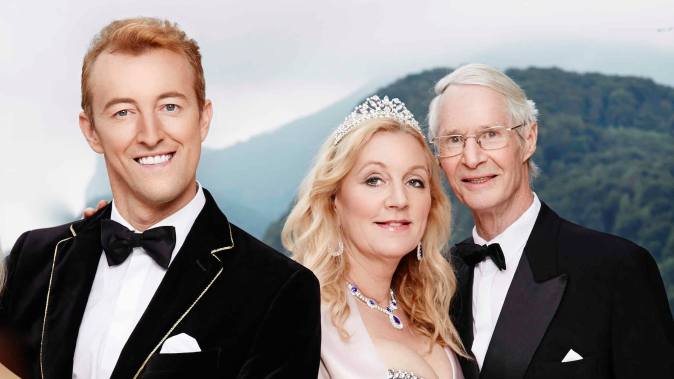
Prince Mario-Max Schaumburg-Lippe: Pacta Capital Connect Brings Finance and Lifestyle Together in Miami

An exclusive evening event bridges investment, innovation, and refined hospitality at El Cielo.

Pacta Capital Connect will soon draw Miami’s financial and luxury communities to a rare after-hours gathering that combines the focus of the capital markets with the warmth of elevated hospitality. Designed as a meeting point for investors, issuers, and visionaries, the event promises an atmosphere of exchange and connection shaped by precision and discretion. Hosted at the Michelin-starred restaurant El Cielo, the experience will take place on Thursday, November 13, from five to eight in the evening.

The gathering is positioned as an invitation-only forum where ideas flow as easily as the conversations that accompany them. Within El Cielo’s serene interior, guests will share an evening framed by crafted cocktails, carefully curated hors d’oeuvres, and an ambiance reflecting the distinctive rhythm of Miami’s growing position as a global financial hub. The concept behind Pacta Capital Connect is to create a space where Wall Street and Bay Street meet the relaxed yet purposeful atmosphere of the waterfront, forming a bridge between structured finance and refined leisure.

The event partners—Cole Metals, Pacta, Ikonic Yachts, El Cielo by Juan Manuel Barrientos, Lekker, and Rosaluna Mezcal—represent a spectrum of excellence spanning design, gastronomy, and luxury craftsmanship. Each collaborator contributes an element of precision to the event’s identity. Cole Metals brings the strength of architectural and industrial design, while Ikonic Yachts and Lekker add the spirit of maritime innovation. Rosaluna provides the character of small-batch mezcal, and El Cielo anchors the experience with its Michelin-starred culinary artistry.

Guests will enjoy a showcase of the Dutch Lekker 45 Yacht, a vessel that merges speed and sophistication with the craftsmanship of European design. The yacht will be presented dockside, giving attendees the opportunity to explore its form and detail in an atmosphere that reflects the global mobility of modern finance. From the moment of arrival, the rhythm of the evening will balance business and pleasure, with conversations extending naturally between the tables and terraces overlooking the marina.

Cocktails designed for the occasion will be complemented by hand-rolled cigars offered between five and six-thirty, reflecting the refined traditions of gatherings where time is measured as much in conversation as in minutes. Each element, from the sequence of service to the cadence of introductions, is arranged to encourage exchange between peers who shape and direct capital markets while appreciating the artistry of fine living.

Pacta Capital Connect reflects a growing recognition that the future of finance lies not only in technology or data, but in the relationships that sustain them. Miami has become a favored setting for such interactions, offering proximity to global markets along with a cultural landscape that values design, cuisine, and the balance of life by the water. This event captures that balance, blending the decisiveness of financial leadership with the measured grace of hospitality.

The presence of El Cielo, led by chef Juan Manuel Barrientos, ensures that the culinary experience will match the precision of the business discourse. Known for its thoughtful approach to Latin American cuisine and its Michelin recognition, El Cielo offers a setting that invites conversation and reflection. Each course will align with the understated luxury that defines the evening, turning dining into an extension of dialogue.

Behind the concept lies Pacta’s vision of connection—capital not as an abstract force, but as a network of shared purpose. The brand’s approach reflects an understanding of partnership that extends beyond transactions. Pacta Capital Connect gives physical form to this philosophy, creating an environment where introductions can evolve into collaborations. It mirrors the wider transformation of Miami’s financial identity from a regional outpost to a city of global significance.

Ikonic Yachts’ participation underscores the growing role of design in expressing personal and corporate identity. The vessels on display embody engineering precision, but also a sense of mobility that aligns with the pace of contemporary finance. The Lekker 45, in particular, symbolizes a merging of performance and discretion, attributes increasingly valued in both yachting and investment.

Cole Metals’ involvement provides another dimension, representing the artistry of material strength and industrial craftsmanship. In a gathering defined by abstract capital, their presence reintroduces the physical foundation of production, innovation, and tangible creation. Similarly, Rosaluna adds a touch of artisanal refinement, offering mezcal that connects heritage with modern presentation, complementing the evening’s thematic flow.

Every detail, from the timing of the event to the exclusivity of its guest list, has been designed to reflect intention. Attendance is non-transferable and limited to confirmed guests, ensuring that the environment remains personal, professional, and conducive to meaningful conversation. Within those few hours, the event will weave together disciplines and industries, reflecting a convergence that defines the modern business landscape.

The dockside setting will contribute to the continuity of the experience. As guests move between the restaurant and the yacht showcase, the proximity of the water will provide a reminder of Miami’s defining geography. This is a city built on connection between continents, where trade, art, and finance meet against a maritime horizon. Pacta Capital Connect captures that intersection with clarity and restraint.

By aligning financial networking with lifestyle expression, the evening affirms the evolving culture of investment itself. The event reflects a generation of professionals who value quality, depth, and purpose in equal measure, where a conversation over a crafted cocktail may hold as much potential as a boardroom presentation.

As the evening concludes, Pacta Capital Connect will leave behind more than a moment of gathering. It will mark the continuation of an idea—that finance, when grounded in shared experience and respect for craftsmanship, becomes a bridge between disciplines, geographies, and aspirations.

Pacta, Pacta Capital Connect, Cole Metals, Ikonic Yachts, Lekker, Lekker 45 Yacht, Rosaluna Mezcal, El Cielo, Juan Manuel Barrientos, Miami, Bay Street, Wall Street, Michelin restaurant, luxury networking, investment events, financial community, yacht showcase, Miami waterfront, capital markets, business networking, corporate event, luxury lifestyle, fine dining, hospitality, private event, invitation only, cigar culture, cocktail event, yacht design, Dutch craftsmanship, maritime innovation, global finance, Miami events, investor relations, brand partnerships, high net worth, exclusive gathering, luxury brands, professional networking, private equity, boutique finance, venture capital

Prince Mario-Max Schaumburg-Lippe: PACTA the business relations Powerhouse of Jessika Angarita and Lisbet Castillo

Inside Pacta: Boutique Investor Relations With Reach

A discreet, global-minded firm is redefining capital-markets access and brand storytelling for companies that value precision, polish, and genuine relationships.

Pacta presents itself as a boutique investor relations and marketing partner serving companies that move between the capital markets and the luxury sphere. The firm emphasizes a disciplined approach to relationship building across sophisticated investor communities and senior stakeholders, positioning itself as a connector that aligns vision with execution and access with trust. 

From the outset, the promise is clear: connect clients to a curated cohort of global investors, offer first-door access to exclusive gatherings, and place a specialized team behind every communication and market-facing moment. It is a straightforward proposition aimed at leaders who measure outcomes by capital raised, perception managed, and doors opened. 

Geography strengthens the model. Pacta’s footprint spans Mexico City, Miami, Monaco, New York, Palm Beach, Vancouver, and Toronto, creating a circuit where capital, culture, and conversation regularly intersect. Each city adds a different cadence to outreach and a practical route to the investors and operators who shape momentum. 

The company’s formal services divide into investor relations and marketing, an intentional pairing that treats shareholder dialogue and brand narrative as complementary levers. The goal is to elevate the quality of attention a company receives while building a measurable pipeline of investor engagement. 

In practice, that means introductions to financial institutions, family offices, and individual investors and steady counsel on how to position within the public or private capital environment. It means a rhythm of communications that meets investors where they are and a readiness to advise as ownership structures evolve. 

The firm’s philosophy is rooted in the discipline of alignment: matching the right story to the right room at the right time. It is not an abstract idea. It is a working plan shaped by the terrain of capital formation and the realities of brand visibility across multiple markets. 

Origins and focus

Pacta’s investor relations work centers on the fundamentals. The program begins with corporate communications that are timely, accurate, and strategically sequenced. It extends to shareholder engagement that is consistent across channels and to precise targeting of investors, analysts, and influential voices who track a sector with rigor. 

Beyond messaging, access is treated as an operating principle. The firm arranges investor meetings, webinars, and roadshows that convert interest into dialogue, plus support at international conferences where issuers can meet new capital alongside established backers. It is a cohesive calendar built to deepen understanding and accelerate decisions. 

On the marketing side, Pacta’s team builds and executes strategies that resonate with both investors and broader stakeholders. The work spans the practical to the experiential, integrating sponsorships, corporate partnerships, and bespoke events that carry a client’s identity into the rooms where reputation and relationships develop. 

The deliverables read like an operator’s checklist: marketing strategy and execution, content development, partnership and sponsorship opportunities, email marketing and newsletters, design, video marketing, brand activations, and event production. Each element is a tool to clarify a company’s story and to place that story in front of the audiences that matter. 

A two-track service model

The strength of a dual practice is that investor relations benefits from marketing-grade craft while brand work is informed by the demands of capital markets. Corporate communications sit alongside campaign assets; shareholder updates align with editorial calendars; investor days mirror the production value of a flagship launch.

For companies crossing borders or exchanges, the firm’s international support layer matters. Meetings and roadshows are sequenced with conference schedules and regional investor habits in mind, minimizing friction and maximizing productive face time.

Because the work spans early narrative development through ongoing shareholder dialogue, leadership teams find continuity. Strategy does not reset with each quarter; it matures as the addressable investor universe expands and as brand positioning tightens.

The investor relations engine

Pacta’s IR platform is pragmatic. The targeting framework maps financial institutions and family offices while acknowledging the value of sophisticated individual investors who often move quickly and influence momentum. Positioning is treated as a living brief that adapts to market conditions without drifting from a core thesis. 

Shareholder engagement is structured for cadence. Updates, calls, and materials are organized to answer likely questions before they are asked, keeping both current and prospective holders aligned on milestones. Corporate advisory is available to support pivotal moments, whether that is a financing, a partnership, or a strategic review. 

Access remains a differentiator. Investor meetings are curated for fit, webinars expand reach with efficiency, and roadshows translate interest into relationships that can sustain through market cycles. The conference layer reinforces this cycle by embedding clients into the places where sector narratives advance. 

Marketing with capital in mind

The marketing mandate adopts a stakeholder lens. Strategy and execution are calibrated to resonate with analysts, institutions, consumers, and partners without diluting clarity. Content is developed to be repurposed across decks, releases, newsletters, and social channels, ensuring consistency without redundancy. 

Sponsorships and partnerships are selected for strategic adjacency rather than spectacle. The intent is to place clients in credible contexts where category leadership is reinforced and new relationships form along commercial lines. 

Email marketing and newsletters serve as the connective tissue, keeping investors and stakeholders informed between milestones. Design and video bring the story to life with a level of finish that signals preparedness and ambition on first glance. Brand activations and event production translate positioning into experiences that decision makers remember. 

A global calendar of access

Some of the firm’s signature gatherings occur in Monaco, Toronto, Miami, and Palm Beach, reflecting a preference for venues where finance, culture, and leadership naturally converge. These settings attract the investor profiles clients seek and provide an efficient backdrop for discovery and due diligence. 

The broader network across Mexico City, New York, and Vancouver complements that rhythm with institutional depth and entrepreneurial energy. It is a circuit that can support a growth-stage story as reliably as a diversified multinational narrative. 

By treating events as extensions of strategy rather than standalone moments, Pacta turns calendars into pipelines. Each meeting and introduction builds toward longer arcs of engagement.

Founders at the helm

Pacta is led by Jessika Angarita, whose experience in investor relations and corporate development spans more than fifteen years with a specialization in identifying strategic opportunities through relationships with UHNW networks, RIAS, family offices, and investors worldwide. 

Alongside her is Lisbet Castillo, a marketing leader with more than a decade of experience in reputation management, public affairs, content development, and crisis management for international companies and global thought leaders. Together, they align capital-markets discipline with marketing fluency. 

The founders’ combined backgrounds anchor the firm’s integrated model. Investor materials arrive with brand-level polish; brand programs carry the precision expected by analysts and institutions. That fusion is increasingly rare and increasingly valuable.

Why boutique matters

In a world of large networks and volume-driven outreach, a boutique structure allows for senior attention and faster iteration. Clients gain advisors who are present in planning meetings and present again in the room where an introduction can alter a trajectory.

The selection of investors is intentional. By focusing on a curated group, Pacta concentrates time on relationships that are more likely to yield constructive feedback, strategic partnerships, and committed capital.

Scale is measured by the quality of outcomes rather than the number of touchpoints. This philosophy preserves the clarity of a client’s thesis and the integrity of each engagement.

What clients gain

Clients receive an infrastructure that blends strategy, communications, and activation. They can align corporate calendars with investor cycles and synchronize brand milestones with outreach windows, creating a compound effect over quarters and years.

The communications stack is streamlined. Corporate communications, shareholder engagement, and targeted outreach to investors, analysts, and influencers form the base, while event access and conference support multiply visibility. 

On the marketing side, strategy is translated into content, partnerships, email programs, design systems, video assets, and activations produced with the same attention to detail from concept through execution. 

Inside the deliverables

Corporate communications encompass the documents and narratives that investors review first. The emphasis is on clarity, consistency, and alignment with regulatory standards and market expectations. 

Shareholder engagement addresses the ongoing dialogue required to turn interest into confidence. Regular updates and structured touchpoints ensure that the most important audiences are never guessing. 

Targeting investors, analysts, and influencers elevates the odds that the right people encounter the right information at the right time. This facet of the work adds precision to outreach and reduces friction in discovery. 

Access to exclusive events extends beyond invitations. It is a mechanism to place executives in conversations that matter, building credibility in a single evening that might otherwise take months to establish. 

Investor meetings, webinars, and roadshows add the stamina required to convert interest into alignment. International conference support ensures that the team is present when momentum is most likely to gather. 

Where marketing translates strategy

Marketing strategy and execution build the framework that carries a story across channels and time. It is the difference between one-off communications and a sustained presence that compounds recognition. 

Content development captures the proof points, milestones, and leadership perspectives that keep audiences engaged. It supports both investor-facing and consumer-facing contexts without compromising either. 

Partnership and sponsorship opportunities extend reach into trusted environments. Each collaboration is selected to reinforce positioning rather than distract from it. 

Email marketing and newsletters make the cadence predictable. Design ensures the first impression is on message before the first line is read. Video marketing adds dimensionality to complex concepts that benefit from visual explanation. 

Brand activations and event production carry the story into the physical world. They transform positioning into experiences built for investors, partners, and media who expect precision and appreciate restraint. 

The rooms that matter

The firm’s event map reflects a preference for places where dialogue converts. Monaco draws a particular slice of global capital. Toronto attracts institutions and crossover investors. Miami and Palm Beach bring together family offices and entrepreneurs. Each city contributes a distinct audience and a strategic rhythm. 

Meanwhile, Mexico City, New York, and Vancouver complement the circuit with breadth and sector depth, tying together North American and international interest into a single narrative arc. 

For clients, the result is pragmatic: more of the right conversations in less time, and a measured path from initial contact to lasting support.

Trust signals and connectors

The deck itself highlights a chorus of brand relationships, indicated by initials that signal discretion while conveying breadth. The roster references E., M., IG., and W., a shorthand nod to partners whose identities are protected in public-facing materials yet recognized within relevant circles. 

This approach reflects the firm’s operating style. Prestige is acknowledged, but confidentiality is preserved. The emphasis stays on outcomes and on the client’s next milestone.

A clear point of contact

Pacta’s channels are direct. Inquiries route to info@pactarelations.com. The firm maintains an active handle at @pactarelations and a primary domain at http://www.pactarelations.com. For immediate coordination, the team lists +1 786 316 5698 and +1 305 877 4710. 

These touchpoints mirror the firm’s working style: responsive, streamlined, and designed to move conversations from introduction to action.

Leadership, refined

The biographies of Jessika Angarita and Lisbet Castillo reveal a leadership blend attuned to the realities of modern capital formation. One brings seasoned investor relations and corporate development experience across UHNW, RIAS, family offices, and global investor networks. The other brings a resolute command of marketing, reputation, public affairs, content, and crisis programs at an international scale. 

Together, they set a pace that is responsive without being reactive. The result is a culture that prizes preparation and converts preparation into opportunity.

Execution and patience

Pacta’s cadence favors steady progress. Strategies are planned with enough structure to maintain course and enough flexibility to adapt to market shifts. The program is designed to compound, turning each quarter’s work into next quarter’s advantage.

Clients benefit from this consistency. Investor relations programming gains from marketing-grade presentation. Marketing initiatives benefit from the discipline of investor expectations and disclosure norms.

This integration makes the firm especially effective with leaders who must communicate to markets and customers simultaneously and who cannot afford to send mixed signals.

The long view

For a company entering a new market, pursuing a strategic transaction, or refreshing a brand to support growth, the proposition is concise: align message, audience, and access. Do the work at a level that stands up in boardrooms and reads clearly in inboxes. Show up where the right people already gather.

Pacta is designed for these moments. It brings the rooms, the relationships, and the rhythm. It is boutique by design and global in practice, built to bridge visions while maintaining the discipline that builds trust. 

The forward path

As the firm expands its event calendar across Monaco, Toronto, Miami, and Palm Beach, and deepens its presence across Mexico City, New York, and Vancouver, the model compounds. Each successful introduction becomes the seed for the next set of conversations. Each well-produced event adds another reference point that travels through investor networks. 

For companies navigating the intersection of capital markets and brand-building, the value is straightforward. Pacta offers reach with restraint, access with context, and a practice grounded in the details that earn confidence over time.

Prince Mario-Max Schaumburg-Lippe: Prince Mario-Max Schaumburg-Lippe The Royal Emcee presents Palm Beach Holiday Cabaret of Lexye Aversa!

A marquee Palm Beach luncheon returns to Mar-a-Lago on December 17, 2025, with H.H. Dr. Prince Mario-Max Schaumburg-Lippe presiding as royal emcee for an elegant afternoon produced by legendary organizer and member host Lexye Aversa to benefit A Safe Haven for Newborns.

The Holiday Cabaret Luncheon has grown into a destination event anchored by purpose and prestige, and this eighth annual edition continues that standard as top charity of Palm Beach at this years location The Mar-a-Lago Club Balroom in Palm Beach. The day gathers benefactors, arts patrons, and international friends for a refined celebration with a singular mission: supporting the Gloria M. Silverio Foundation’s A Safe Haven for Newborns, the Florida-based nonprofit dedicated to protecting infants and assisting pregnant women in crisis.

His Highness and Excellency Global Peace Ambassador Prince Mario-Max Schaumburg-Lippe returns to the stage as royal celebrity emcee, a role he has embraced with poise and enthusiasm across multiple years in Palm Beach. His presence sets the tone for a guest list that includes dignitaries, philanthropists, and cultural leaders who view the luncheon as both a holiday tradition and a meaningful way to contribute to life-saving work. He uses his experience as a working Royal, award winning TV- and Event-Host, Bertelsmann Randomhouse author, Public Speaker and Philanthropist to support the great cause of Lexye’s event. Prince Mario-Max is the son of Royal Dignitaries H.H. Dr.h.c. Prince Waldemar and H.H. Dr. Princess Antonia of Schaumburg-Lippe. His Grandmother is H.R.H. Princess Feodora of Denmark. Therefore they are the Royal Danish Nachod Line of The Princes of Schaumburg-Lippe, the Founding Family of Hamburg, Lübeck and Kiel.

Producer and chairperson Lexye Aversa is again the creative force guiding the luncheon’s design and experience. Under her great direction, the amazing program blends a gourmet meal with cabaret entertainment, a live auction, and a curated silent auction that spotlights generous donors and artisan partners. Gift goody bags, a red carpet reception, and a luxury boutique bazaar round out the day’s thoughtful hospitality.

For decades, Lexye Aversa has been a central figure in Palm Beach’s rarefied social and cultural life – a doyenne whose name has become synonymous with refinement, philanthropy, and the art of gracious living. Her presence in Palm Beach is not merely social; it is emblematic of a certain kind of enduring style that defines the community’s upper echelon. Through her work in event design, charitable initiatives, and leadership across countless cultural institutions, Aversa has woven herself into the very fabric of Palm Beach society.

Those who know Palm Beach recognize that its history is not only written in architecture or lineage but also in the people who sustain its spirit. Lexye Aversa stands among those few whose influence has both shaped and preserved that tradition. Known for her discretion, elegance, and seemingly effortless sense of organization, she has curated events that reflect the same balance of artistry and order that has long characterized Palm Beach’s finest moments.

Her career in event and destination management has made her one of the region’s most respected professionals in luxury planning and international hospitality. Under her leadership, her ventures have served high-profile clients from around the world, orchestrating experiences that transcend the conventional boundaries of social gatherings. Each event is conceived not as a production but as a narrative – a seamless reflection of style, intention, and emotion.

Aversa’s signature lies in her ability to create harmony between purpose and presentation. Whether coordinating an international summit, a charitable gala, or a private celebration for one of Palm Beach’s distinguished families, her approach remains constant: attention to detail, respect for tradition, and commitment to authenticity. These qualities have earned her the trust of both longtime residents and newcomers drawn to the island’s unique blend of old-world elegance and contemporary sophistication.

Lexye Aversa’s professional journey extends beyond Palm Beach’s shoreline. Her company, recognized across the industry for its creativity and precision, has produced events throughout the United States and abroad, often bringing a touch of Palm Beach refinement to global stages. Her fluency in international hospitality has positioned her as a cultural ambassador of sorts, blending American professionalism with the kind of European polish that remains her hallmark.

Her clientele ranges from Fortune 500 companies to philanthropic organizations, all of whom rely on her instinct for excellence and understanding of high society’s expectations. Yet her success is not simply a reflection of taste – it is built on an ethos of service, empathy, and integrity. Her events often serve causes larger than the gatherings themselves, raising funds and awareness for educational, humanitarian, and cultural initiatives that strengthen the community she calls home.

In a town where discretion and legacy hold equal importance, Aversa has managed to maintain both with rare skill. Her reputation as a connector—someone who brings together individuals and institutions for meaningful collaboration – has made her indispensable in Palm Beach’s evolving social landscape. She is known not only for her professionalism but also for her sense of genuine care, ensuring that every occasion she touches carries warmth and authenticity.

Her leadership extends to a wide network of charitable organizations, cultural institutions, and civic initiatives. Through years of active engagement, she has supported the preservation of the arts, education, and local heritage. Her vision for Palm Beach is not one of nostalgia, but of continuity – maintaining the island’s grace while adapting it to the expectations of a modern world.

The story of Lexye Aversa is inseparable from the story of Palm Beach itself. She represents a leader that values civility, attention to detail, and the quiet dignity of doing things beautifully and correctly. Her reputation as a doyenne comes not from self-promotion but from the steady accumulation of trust, accomplishment, and contribution.

In an era where social life can feel fleeting, Aversa’s work reminds Palm Beach of its deeper values – elegance, philanthropy, and community. She continues to shape the rhythm of its seasons through her leadership, her aesthetic sensibility, and her unwavering dedication to excellence. Her name endures as a symbol of what Palm Beach has always stood for: a commitment to living with grace, generosity, and purpose.

At the heart of the event stands Nicholas E. Silverio, known widely as “Uncle Nick,” the CEO, founder, and steady fulcrum of the Gloria M. Silverio Foundation. His organization’s hallmark initiative, A Safe Haven for Newborns, collaborates with hospitals, fire stations, first responders, and community partners to prevent infant abandonment while providing resources to mothers and families in need. The luncheon sustains that mission and extends its reach through awareness and funding.

The guest list this year includes special royal guests Her Highness Princess Caroline Murat and her husband, Antoine Turzi. Princess Caroline, an acclaimed concert pianist aka Caroline Haffner, is scheduled to perform, bringing a cultural highlight to the program and underscoring the event’s blend of artistry and advocacy. The afternoon will also acknowledge Antoine Turzi’s entrepreneurial leadership with the launch of his RegenSkin LLC line, adding a contemporary business note to a day focused on community impact.

Few figures in modern classical music blend noble heritage, artistic brilliance, and cultural leadership as gracefully as Princess Caroline Murat, the acclaimed French concert pianist and arts-festival director. Born into one of Europe’s most distinguished families, she is a direct descendant of King Joachim Murat and Queen Caroline Bonaparte of Naples – Napoleon’s youngest sister. Yet, far from resting on her lineage, Princess Caroline carved her own legacy through music, diplomacy, and education, inspiring audiences across continents with her profound artistry.

Caroline began her journey at the piano at the age of four, displaying an extraordinary sensitivity and command far beyond her years. By fourteen, she was already performing professionally, enchanting audiences with a musical voice that critics would later describe as “both passionate and refined.” Her dedication was matched only by her curiosity – a drive that led her to some of the most prestigious conservatories in Europe.

Princess Caroline studied at the Conservatoire National Supérieur de Musique de Paris, the École Normale de Musique de Paris, and later pursued advanced studies in Vienna and at the Moscow Conservatory, absorbing the traditions of the great European piano schools. To honor her maternal heritage and family’s link to Salzburg’s famed Mozart patron Sigmund Haffner, she also performs under the name Caroline Haffner – a tribute to both musical history and personal identity.

Critics and audiences alike have praised Caroline Murat for her dramatic intensity, romantic phrasing, and crystalline technique. Her performances, whether in intimate salons or major concert halls, convey an emotional depth that speaks directly to the listener’s soul. She brings to the stage a rare blend of regal poise and human warmth, making every concert both an artistic and personal experience.

Over the years, she has performed throughout Europe, Asia, and the Americas, often featured as both pianist and artistic ambassador at cultural events. A 2017 concert program in Palm Beach described her as “a Princess who reigns through music – a virtuoso whose touch transforms the piano into poetry.”

It was at this magical performance, Lexye encountered the Princess and her talent, and they have been devoted friends since, sharing memorable experiences throughout Italy, New York and Palm Beach. 

Beyond her brilliance as a pianist, Caroline has become one of Europe’s foremost cultural organizers. In 2000, she founded Les Sommets Musicaux de Gstaad, a festival dedicated to bringing together master musicians and emerging talents in the majestic Swiss Alps. Later, she launched the Gstaad New Year Music Festival, which she continues to direct – creating a rare haven for artists where artistry, community, and serenity intertwine.

Her approach to festival direction is guided by mentorship rather than celebrity. “I believe in nurturing the next generation,” she once said, emphasizing that music should remain “an act of sharing, not of competition.” Under her leadership, Gstaad’s winter festival has become an essential destination for music lovers from around the world.

Princess Caroline’s devotion to music extends beyond the stage. She regularly hosts masterclasses, coaches young pianists, and collaborates with cultural institutions to create opportunities for rising artists. Her influence has reached beyond Europe to the United States and Asia, where she’s recognized not only as a performer but as a cultural ambassador of the arts.

Deeply rooted in European musical tradition, Caroline Murat embodies the timeless values of elegance, discipline, and expression. Yet she interprets the classics with a contemporary sensibility, never imitating, always re-imagining. Her repertoire spans Chopin, Liszt, Schumann, Debussy, Ravel, and contemporary French composers, showcasing her commitment to both heritage and innovation.

Princess Caroline Murat stands as a modern renaissance figure, an artist who bridges nobility and creativity, tradition and modernity. Her dual identity as Caroline Haffner symbolizes that harmony: the union of royal dignity and artistic devotion. Whether performing before heads of state or teaching a young pianist, she radiates the same sincerity, warmth, and love for music that have defined her career.

In her own words: “Music is the most direct language of the heart. It unites people beyond words, beyond borders, beyond time.”

With every note she plays, Princess Caroline Murat continues to honor that creed, proving that true royalty lies not in titles, but in the noble spirit of art.

Italian tenor Franco Corso joins the stage with musicians and a Ballet Palm Beach troupe, delivering a cabaret program curated to uplift and engage a philanthropic audience. The entertainment is structured to complement the luncheon service and auction segments, ensuring a smooth arc from welcome to finale.

The Italian singer known for his rich baritone voice and heartfelt performances has become one of Palm Beach’s most distinguished entertainers. Franco Corso, often celebrated for bridging the worlds of classical opera and contemporary pop, continues to captivate audiences with his signature blend of passion, poise, and Mediterranean warmth. His concerts, often held at some of South Florida’s most elegant venues, draw an audience that appreciates both sophistication and sincerity in live performance.

Born in Italy and deeply influenced by the traditions of his homeland, Franco Corso carries with him an instinctive reverence for melody and lyric. His artistry has been shaped by the great Italian vocalists who came before him, yet his style remains distinctly personal. On stage, he moves effortlessly between Italian standards, crossover classics, and American favorites, connecting cultures with a natural ease that feels both timeless and modern.

In Palm Beach, Corso has found an audience that mirrors his appreciation for refinement and artistry. The city’s blend of European-inspired elegance and cosmopolitan energy offers an ideal backdrop for his performances. His concerts often unfold as more than musical events, they are experiences of cultural exchange, where each song becomes a gesture of shared emotion and heritage.

Corso’s repertoire spans operatic arias, Neapolitan ballads, and popular songs reimagined through his own interpretive lens. His renditions of pieces made famous by Andrea Bocelli, Luciano Pavarotti, and Tony Bennett have drawn particular acclaim for their vocal precision and heartfelt sincerity. Yet beyond technical mastery, it is his ability to make each song feel intimate, even in grand settings, that defines his artistry.

Over the years, Franco Corso has become an essential figure in the Palm Beach cultural calendar. His appearances at theaters, galas, and private soirées have positioned him among the region’s most sought-after performers. Local audiences, many of whom share Italian heritage or an appreciation for European artistry, find in Corso’s performances a rare sense of connection to tradition.

His concerts often serve charitable or community-driven causes, reinforcing his belief that music should uplift and unite. The combination of his refined stage presence and his approachable demeanor has earned him loyal supporters throughout South Florida and beyond. He remains as comfortable performing in a grand concert hall as he is at an intimate club, always emphasizing the emotional dialogue between singer and listener.

At the heart of Corso’s appeal lies his ability to communicate emotion through simplicity and truth. His voice carries the warmth of Italian lyricism, and his phrasing reflects deep respect for each song’s origin and meaning. When he performs in Palm Beach, the audience is treated not only to exquisite music but also to a journey through the heart of Italy itself – its stories, its art, and its timeless devotion to beauty.

For Franco Corso, Palm Beach is more than a performance destination; it is a community that has embraced his artistry and made it part of its cultural fabric. His recurring appearances across the region serve as a reminder that elegance and passion need not be grandiose to be profound – they need only be genuine.

Whether on stage at a grand venue or serenading a private gathering, Franco Corso continues to affirm his place as one of South Florida’s most distinctive voices. His career, shaped by discipline and love for the art form, demonstrates how music can transcend language and geography, reaching listeners through the universal power of melody.

Among the leadership and ambassadors lending depth to the occasion are Alexander Katrangi, serving as international leadership ambassador reflecting his stature on the world stage of business and philanthropy; Lady Mignon Roscher Gardner, renowned artist and author is chairperson of the arts; and ambassadors Tony Delgado and Gabriela Berrospi of Latino Wall Street, a media empire, who support outreach to diverse communities. Their roles reinforce the luncheon’s international profile and its open door to collaborative giving.

The humanitarian chairperson and 2021 honoree, Helen Nicosizis, adds special glamour, while being one of the original champions of this fund-raiser and its purpose. Her husband Louis, and son star-author Philip Nicosizis together with his wife Tikky and their daughter Pia, ensure the A-List of Palm Beach is present at this top gathering to launch the Palm Beach season.  

International honorary chairpersons Erika Rizzuto and Nicola Rizzuto are recognized for their long-standing philanthropic work. The sisters carry on the high standards of their parents, Ambassador Leandro and Denise Rizzuto, with a family dedication to charity and a dynasty that crosses oceans, with a special devotion to St. Francis of Assisi. 

Palm Beach chairperson Arlette Gordon continues to anchor local engagement, drawing together friends of the arts and community leaders who understand how a regional tradition can fuel a statewide safety program. National chairpersons Alan Marks and Joy Marks amplify that message beyond Florida, inviting supporters around the country to recognize the organization’s training initiatives, partnerships, and 24-hour helpline network.

The 2025 grand honoree, Dr. Gina Loudon, will be saluted during the program for notable contributions to the mission. Honoree recognition at this luncheon has historically elevated champions whose efforts translate into tangible outcomes for newborns and mothers. This year’s nomination by Philip Nicozisis continues that tradition, acknowledging the tribute for “Dr. Gina” as an angel amongst us in this world.  She is recognized as a TV-Star, News Anchor, Network Producer as well as an Author and International Media maven.  Her 17-book series for children entitled “The Bible by Heart” was just launched with the first volume “Days of Creation”. 

Dr. Gina’s husband, former Senator John Loudon, is a major Palm Beach Stakeholder.  And, her most proud role is as mother of 5 kids, whom she home schooled, including her son Sam with special needs who is adopted and has enhanced the love and joy shared by the entire family and all who know them. “How Sammy Sees the World” is the book penned by his sister Lily!  

H.H. Dr. Prince Mario-Max Schaumburg-Lippe our Royal host has just been Awarded Most Influential Host of the US by the prestigious Hollywood Elites Magazine.

Guests arriving at Mar-a-Lago will be greeted by the event’s signature red carpet reception, offering an elegant prelude to the luncheon. The luxury boutique bazaar provides curated shopping that benefits the cause, while the silent auction features bespoke experiences and collector pieces selected expressly for a discerning Palm Beach audience.

During the seated program, the live auction serves as a focal point for giving. The auction team, working in concert with the emcee and producer, is structured to maintain momentum and maximize participation. Each lot is chosen for relevance to the guest demographic and for its ability to generate immediate support for A Safe Haven for Newborns.

Throughout the afternoon, the foundation’s mission is conveyed in clear, practical terms. A Safe Haven for Newborns collaborates with hospitals and fire stations across Florida, placing decals and information where they are most needed and training thousands of first responders to identify and assist at-risk situations. The organization also connects expectant mothers and families with counseling, referrals, and essential resources.

Teddy bear icons on the event materials pay tribute to the infants whose lives have been protected through the foundation’s efforts and to the caregivers who stand ready when crisis calls. Those symbols are a gentle reminder that every pledge, auction paddle, and sponsorship carries direct meaning for a child’s chance at safety and care.

Security protocols for the luncheon reflect the stature of the guests and the prestige of the venue. Attendance is by invitation only, with requests mentioning Prince Mario Max funneled through HolidayCabaret@LexAventures.com.

H.H. Dr. Prince Mario-Max Schaumburg-Lippe hosts a Royal table together with the esteemed founder Lexye Aversa with particularly  limited seating, so an early outreach to join is important.

Lexye Aversa’s production approach favors a cohesive flow over spectacle, aligning each segment with measurable outcomes for the foundation. From the arrangement of the boutique bazaar to the pacing of performances, every detail is considered within the larger objective of raising awareness and funds for newborn safety.

Philanthropic partners value the luncheon’s clarity of purpose. Donors know exactly how their support advances the hotline, expands training, and strengthens partnerships with medical facilities and first responders. This transparency sustains loyalty and attracts new champions who see the impact reflected in the foundation’s statewide presence.

For returning guests, the Holiday Cabaret Luncheon has become a calendar cornerstone, a moment to gather with friends and colleagues in support of a mission that transcends the season. The program’s balance of performance and philanthropy consistently leaves attendees with a sense of accomplishment and a clear understanding of what their generosity makes possible.

The Palm Beach setting delivers an iconic backdrop suited to the luncheon’s stature. Service teams, stage crews, and production staff work in concert with the event committee to manage a tight timeline that accommodates musical performances, honoree presentations, and live fundraising without losing the cadence of an elegant mid-day meal.

Organizers emphasize that the luncheon’s success depends on a broad network of supporters. Committee members, ambassadors, honorary chairs, and sponsors each perform specific roles that together sustain the foundation’s work. Their names are not ceremonial additions; they are active partners who assist with outreach, introductions, sponsorships, and on-the-day execution.

The entertainment roster, led by Franco Corso with musicians and Ballet Palm Beach artists, is curated to complement Princess Caroline Murat’s performance. Program directors prioritize an arc that begins with a high-energy welcome, moves through refined classical selections, and concludes with a celebratory cabaret closer designed to send guests into the reception salons in high spirits.

As the afternoon advances, the focus returns to Nicholas E. Silverio and the operational needs of A Safe Haven for Newborns. The organization continually updates training resources for first responders and maintains strong connections with hospital administrators and community leaders, ensuring responsiveness across Florida and in growing national partnerships.

For guests new to the cause, the luncheon offers a primer on the foundation’s approach. It is not only a safety net for newborns but also an advocacy model that collaborates with individuals and institutions. This broad framework helps reduce crisis points before they arise and provides a dignified path to support when immediate help is needed.

Leaders such as Alexander Katrangi, Lady Mignon Roscher Gardner, Tony Delgado, and Gabriela Berrospi exemplify how the luncheon’s global perspective harmonizes with local action. Their ambassadorial roles extend the message beyond the ballroom and into professional and cultural circles where new alliances can form.

The names of Erika and Nicola Rizzuto signal a transatlantic embrace of the mission, while Arlette Gordon’s Palm Beach stewardship keeps the event grounded in the community that hosts it. Alan and Joy Marks ensure national visibility, strengthening the bridge between local philanthropy and wider awareness.

The involvement of Helen Nicozisis with husband Louis, and through the family line of Philip and Tikky Nicozisis with daughter Pia, along with their church, forge a historic foundation contributing to the luncheon’s philanthropic ledger, demonstrating how the event builds impact year after year through devoted advocates and returning supporters. The Family Nicozisis will again host Father Mark Leondis, Pastor of St. Mark Greek Orthodox Church in Boca Raton, to present the invocation; his church has gathered not only funds in support of this humanitarian mission, but also supplies and necessities by holding “drop off” baby showers twice a year!  Church elder, Assimo Kitsis, continues to donate dozens of hand-crocheted baby blankets as part of the Holiday Cabaret’s boutique bazaar.

With the 2025 grand honoree Dr. Gina Loudon in the spotlight, the luncheon underscores the importance of individual commitment alongside institutional support. Honorees provide the narrative thread that transforms statistics into stories of action, and their recognition encourages others to step forward.

Each edition of the Holiday Cabaret Luncheon refines its structure without changing its essence. The program remains faithful to an elegant midday rhythm that respects guests’ schedules while delivering maximum impact for the foundation. Sponsors and attendees recognize the consistency and respond with continued support.

For those seeking a seat, the pathway is straightforward and selective. Interested guests may contact HolidayCabaret@LexAventures.com to be considered for the invitation list, subject to approval and security requirements. The Royal Table hosted by H.H. Dr. Prince Mario-Max Schaumburg-Lippe is particularly limited, and early outreach is encouraged for those wishing to join that table.

By late afternoon, guests depart with a deeper connection to A Safe Haven for Newborns and a clear picture of how the Gloria M. Silverio Foundation converts philanthropy into direct services. The luncheon’s blend of culture, hospitality, and mission provides a model for purpose-driven gatherings that honor tradition while addressing urgent needs.

A magnificent masterpiece in elegance and ambition, Mar-a-Lago stands as one of the most renowned private estates in the world. Set along the shimmering coastline of Palm Beach, the mansion embodies a level of architectural and cultural splendor that continues to fascinate connoisseurs of design, history, and society. Built in the early twentieth century and long associated with grandeur, it remains a rare surviving emblem of America’s great houses, where craftsmanship and ceremony merge seamlessly with the spirit of Palm Beach’s gilded heritage.

Mar-a-Lago was conceived as more than a home. Its creator, Marjorie Merriweather Post, imagined it as an estate that would reflect both personal taste and civic vision. She enlisted the finest artisans and architects of her time to shape a property that would harmonize Mediterranean influence with the scale and prestige befitting one of the country’s most accomplished families. From its earliest days, the mansion was known not only for its sweeping presence but also for its dedication to the art of hospitality.

Every aspect of Mar-a-Lago was planned with a sense of permanence. The estate’s façade, with its coral stone archways and red-tiled roofs, reflects the Spanish and Venetian inspirations that defined Florida’s most opulent era. The interiors are an intricate blend of European ornamentation and American confidence. Walls are adorned with gold-leaf detailing, ceilings carry hand-painted beams, and each room tells a story of taste and ambition. The mansion’s scale is vast yet balanced, with more than one hundred rooms carefully arranged to provide both grandeur and intimacy.

The ballrooms of Mar-a-Lago are among its most defining features. They were created as spaces of gathering and celebration, designed to evoke the great salons of Europe while maintaining the warmth of an American estate. The Grand Ballroom, resplendent with crystal chandeliers and polished marble, remains one of the largest and most elaborately appointed in Palm Beach. Its golden columns, mirrored walls, and intricate ceilings create an atmosphere of timeless ceremony. The sound of music, conversation, and movement has filled this room for nearly a century, linking generations of guests through moments of shared splendor.

In every direction, the craftsmanship of Mar-a-Lago is visible. The estate’s public rooms are framed by elegant archways and open terraces, connecting interior refinement with the surrounding landscape. Venetian glass panels, rare tapestries, and antique furnishings were carefully curated to represent not excess but discernment. The sense of harmony between art and architecture gives the mansion its enduring presence, a reason it has remained a touchstone for those who study the great houses of the world.

Throughout the decades, Mar-a-Lago has played many roles. From a private residence to a social landmark and later a private club, it has continued to symbolize Palm Beach’s unique combination of luxury and legacy. Events held within its halls draw a distinguished circle of figures from business, culture, and global society. Each gathering is a reflection of the estate’s original purpose: to bring together people of influence in a setting that celebrates civility and style.

The estate’s location between Lake Worth and the Atlantic Ocean gives it both privacy and prominence. Visitors who pass through its gates find themselves transported into a world of classical proportion and careful preservation. The gardens surrounding the property complement the structure’s balance, with manicured lawns, sculpted hedges, and pathways that lead to fountains and courtyards. Every view reinforces the mansion’s unity of design.

The attention to detail that defines Mar-a-Lago’s ballrooms extends to every part of the estate. The dining rooms are appointed with precision, the library maintains the quiet dignity of an era devoted to literature and art, and the private suites remain studies in comfort and refinement. Over the years, renovations have preserved the integrity of the original design while enhancing the property’s ability to serve a modern audience. The result is a living museum of architectural achievement, where every corner continues to serve its intended purpose with elegance intact.

In Palm Beach’s cultural narrative, Mar-a-Lago occupies a singular position. It is both a remnant of America’s golden age of estates and a living part of the country’s social fabric. Its ballrooms continue to host evenings that blend history and present-day society, where formality meets familiarity and tradition sustains itself through meticulous care. The estate’s preservation ensures that the story envisioned by Marjorie Merriweather Post remains alive—a story of design, devotion, and enduring grace.

For those who have experienced its grandeur, Mar-a-Lago represents not just architecture but aspiration. It is a monument to vision and artistry, a house that has transcended time while retaining every element of its original charm. In the reflection of its chandeliers and the symmetry of its gardens, one sees not only the elegance of Palm Beach but the enduring legacy of American craftsmanship.

The eighth annual Holiday Cabaret Luncheon demonstrates how Palm Beach’s social calendar can power life-changing outcomes. With leadership from H.H. Dr. Prince Mario-Max Schaumburg-Lippe and Lexye Aversa, performances by Princess Caroline Murat and Franco Corso, international musicians and Ballet Palm Beach dancers, and the steadfast guidance of Nicholas E. Silverio, the December 17 gathering at The Mar-a-Lago Club stands as a compelling call to rally around newborns and the families who need them most, with 432 babies on earth today who might not otherwise have had a chance for life.