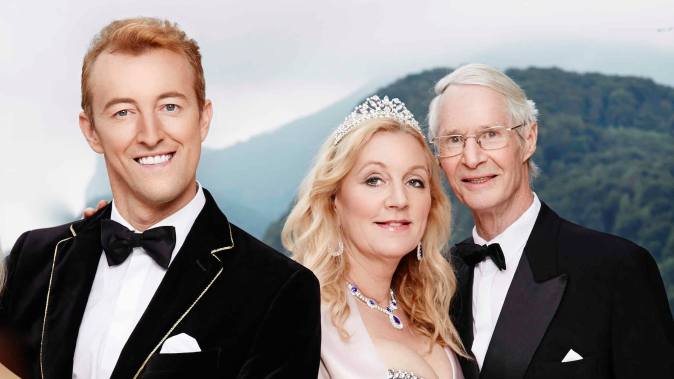
A career defined by integrity, advocacy and cultural commitment was celebrated as Valerie Milano was honored for her lasting contributions.
Valerie Milano received the Pride Honors Award in the category of Arts and Culture in recognition of her extensive work as Publisher, Senior Editor and Entertainment Critic at The Hollywood Times. The award acknowledged her decades of service to journalism, entertainment and the LGBTQ+ community. Her leadership, her editorial vision and her presence across Hollywood and Palm Springs shaped an era of storytelling that connected local, national and global audiences.
Her long career stood as a testament to consistency and depth. For many years, Milano built a reputation as one of the most respected voices in entertainment journalism. Through The Hollywood Times, she covered significant cultural moments throughout the Coachella Valley. Her work included coverage of Cinema Diverse, the Palm Springs LGBTQ Film Festival, the Palm Springs International Film Festival, ShortFest, The Dinah, DAP Health’s The Chase, the Palm Springs Equality Wine Festival, the Coachella Music and Arts Festival and Desert Legends. Each assignment reflected her dedication to elevating stories of artistic relevance and community importance.
Readers grew to rely on Milano’s balanced approach. Her reporting combined critical examination with cultural awareness, offering perspectives that moved beyond the surface and into the meaning behind events and artistic work. Her articles also appeared in national and international publications such as Discover Hollywood, Television International, Hollywood Today, Video Age International in New York and Communications Daily in Washington. Those bylines demonstrated her broad reach and her commitment to maintaining high editorial standards.
Milano’s service to the Television Critics Association formed another important chapter of her professional life. She worked with the TCA as a reporter, a board member and a Tour Coordinator. Her guidance of the Pasadena and Beverly Hills press tours helped support essential communication between television creators and the journalists who introduced their work to the public. Her involvement influenced how these forums operated and strengthened the relationships that shaped the era’s television coverage.
Her advocacy for LGBTQ+ rights stood alongside her editorial career. She supported several organizations, including Friends of GLAAD, GLSEN, Outfest, Lambda Legal, the National Center for Lesbian Rights, The Center of the Desert and the Human Rights Campaign, where she served as a Federal Club Council Member. Her co production of Her HRC events in Palm Springs, including two held in her home, reflected her personal commitment to fostering visibility and advancing progress.
Throughout her career, Milano shared her experience with emerging writers. She mentored individuals seeking to enter journalism and encouraged the development of diverse voices across the creative community. She devoted time to uplifting neurodiverse creators, writers with disabilities and artists from marginalized backgrounds. Aspiring journalists frequently turned to her for guidance, and she responded with patient, practical support.
Her connection to Palm Springs civic life strengthened the work she produced. She remained an active member of the Chamber of Commerce, a supporter of the Palm Springs Cultural Center and the Palm Springs Art Museum and a Partners for Life member of DAP Health. Her nearly four decades in Palm Springs created deep roots that shaped her understanding of the city’s cultural identity and community needs.
Receiving the Pride Honors Award marked an important milestone in her journey. The honor recognized her contributions as a cultural bridge builder who connected Hollywood, Palm Springs and broader creative networks. It acknowledged her commitment to amplifying underrepresented voices and her belief that storytelling succeeded when it centered community, respect and inclusivity. The moment served as an affirmation of her long standing dedication to the craft.
Her work with The Hollywood Times demonstrated her ability to capture the essence of major entertainment events. She conducted interviews with artists, comedians, directors and producers whose work shaped the cultural landscape. Her interview with Tom Arnold at the Palm Springs Comedy Fest became one of many examples of her steady presence at regional festivals and industry gatherings. She approached each conversation with preparation, curiosity and a sense of genuine connection.
Milano’s coverage extended far beyond headline events. She regularly highlighted local initiatives, regional arts programs and community based organizations that contributed to the cultural life of Southern California. She treated these stories with the same care and seriousness that she brought to major festivals, ensuring that local achievements received thoughtful recognition.
Her recognition with the United Nations Humanitarian Award stood as a powerful complement to the Pride Honors Award. This earlier accolade reflected her commitment to global understanding and human rights. The combination of both honors positioned her as a leader whose work influenced communities far beyond her immediate professional environment.
Milano’s public presence grew alongside Palm Springs’ rise as an arts and entertainment destination. She chronicled the growth of festivals, the expansion of cultural institutions and the achievements of local advocates. Her reporting created a living record of a community that valued creativity, expression and shared identity.
Throughout her career, she cultivated strong working relationships built on trust. Artists, executives, organizers and fellow journalists frequently noted her professionalism and her steady dedication to accuracy. Her work fostered respect across the entertainment world because it reflected care, preparation and a commitment to honesty.
Her colleagues recognized her as someone who approached journalism as a responsibility rather than a platform. She focused on bringing clarity to subjects that shaped public understanding. She remained committed to presenting stories that reflected reality without distortion, acknowledging the people and efforts behind each event.
As an entertainment critic, Milano brought thoughtful analysis to film, television and live performance. Her reviews emphasized context and artistic intention. She understood the responsibilities of criticism and used her platform to highlight emerging talent while recognizing established figures who continued to influence the industry.
Milano’s influence extended into cultural diplomacy. She often helped connect figures across different parts of the entertainment world. Her work created opportunities for dialogue and collaboration by introducing voices that might not have found each other without her involvement. This quiet role shaped relationships that contributed to creative growth across multiple communities.
Her dedication to inclusivity appeared in every part of her professional life. She consistently sought perspectives from individuals whose voices were overlooked. She encouraged organizations to broaden their representation and ensured that her own coverage reflected the full landscape of contributors to culture and entertainment.
The Pride Honors Award reflected not only her accomplishments but also her philosophy of service. It acknowledged her belief that journalism could strengthen community and create pathways for understanding. Her work demonstrated how consistent dedication to fairness, compassion and accuracy could shape the cultural record of a region.
Her colleagues celebrated the award as a reflection of her integrity. Industry leaders noted that her career represented what journalism could achieve when practiced with purpose. She approached each assignment, each interview and each editorial decision with a commitment to responsibility and respect for the people whose stories she shared.
Through her long service, she became a reference point for many who entered the world of entertainment journalism. Her mentorship influenced new generations who looked to her example as they developed their own careers. Her legacy remains visible in the work of those she guided.
As she continued to serve her community, Milano’s dedication remained unchanged. Her work at The Hollywood Times, her advocacy and her commitment to equality shaped stories that influenced public understanding of arts and entertainment. Her impact carried forward through the people she mentored, the events she documented and the organizations she supported.
Valerie Milano’s receipt of the Pride Honors Award stood as a tribute to her lifetime of work. It celebrated her contributions to journalism and her support for communities that depended on fair and thoughtful representation. Her influence will continue through the stories she told and the lives she touched throughout her career.

