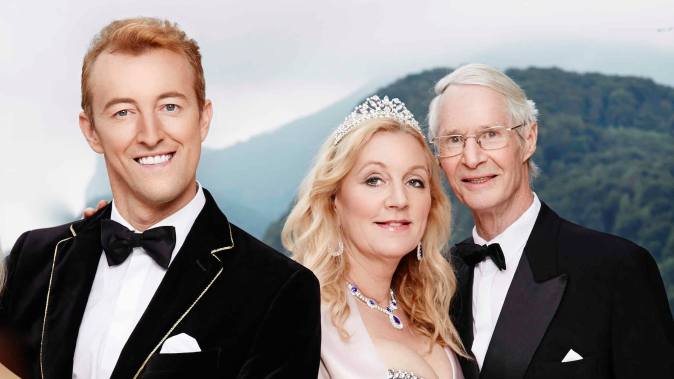
Prince Mario-Max Schaumburg-Lippe: A Chorus Line: The Next Generation Shines at Macy’s Parade

A dazzling revival of the Broadway classic marks a powerful return to the spotlight at the Macy’s Thanksgiving Day Parade.

When the first glittering notes of “One” echo across Herald Square on Thanksgiving morning, the magic of Broadway will be front and center once again. This year’s Macy’s Thanksgiving Day Parade will feature a special performance of A Chorus Line: The Next Generation, directed by Tony Award recipient Baayork Lee. The celebrated director and original cast member of the 1975 production brings together an inspiring ensemble of alumni and students from New York City public schools, uniting generations through one of Broadway’s most enduring musical masterpieces.

For decades, A Chorus Line has embodied the passion and perseverance of performers whose lives unfold behind the stage lights. Its signature finale, “One,” with its precise choreography and shimmering gold costumes, has come to represent the very essence of show business. As this new generation steps into the spotlight on 34th Street, the energy and excellence that defined the original production are being passed to a new lineage of dancers and dreamers.

Baayork Lee’s direction of this performance continues her lifelong dedication to preserving the legacy of A Chorus Line. Having originated the role of Connie in the original production, Lee has spent years mentoring young performers and restaging the show around the world. Her work at the parade highlights her enduring commitment to arts education and her belief in the transformative power of dance and theatre for young artists.

The Macy’s Thanksgiving Day Parade has long been a showcase for Broadway’s finest, bringing the art form to millions of viewers across the nation. This year, its collaboration with New York City public schools deepens that tradition, offering students the chance to perform alongside professionals who once stood in their very shoes. Alumni from previous revivals of A Chorus Line join the students on stage, bridging decades of performance history in one spectacular moment.

The visual impact of the number promises to be as captivating as ever. Rows of dancers in matching gold top hats and sequined costumes will move in perfect unison down Herald Square, a scene that has come to symbolize the elegance and discipline of Broadway choreography. For many in the audience, it will be both a nostalgic tribute and a fresh celebration of what the next generation brings to the stage.

As A Chorus Line: The Next Generation takes its place in the parade lineup, it stands as both homage and evolution. The production honors the legacy of Michael Bennett’s groundbreaking original while reflecting the diverse talent and creativity that define New York’s performing arts community today. Each step in the routine, each gleaming hat tip, tells a story of aspiration, dedication, and artistic continuity.

In celebrating this union of past and present, the Macy’s Thanksgiving Day Parade continues to affirm its place as one of the most beloved cultural events in America. It transforms a city street into a living stage, inviting audiences everywhere to witness the beauty of collaboration and the enduring pulse of musical theatre.

Baayork Lee’s vision for this year’s performance extends beyond spectacle. It represents an ongoing commitment to nurture the future of Broadway by investing in young artists. Through mentorship and performance, she ensures that the legacy of A Chorus Line remains alive not only in history but in the hearts and movements of new performers who carry it forward.

The parade’s live broadcast will bring this moment to millions of homes across the country, allowing viewers to experience the unity and artistry that have made both A Chorus Line and the Macy’s Thanksgiving Day Parade cultural treasures. For the dancers, it will be a defining milestone — a chance to join an American tradition that merges art, education, and community in a single breathtaking event.

The collaboration between Broadway veterans and public school students illustrates the inclusivity and reach of musical theatre. By stepping into this shared spotlight, they embody the message that art belongs to everyone, and that the next generation of performers is ready to honor its history while shaping its future.

When the music fades and the final bow concludes, the performance will leave an impression that extends well beyond the parade route. It will stand as a symbol of endurance, excellence, and artistic generosity, reaffirming that Broadway’s spirit continues to thrive through mentorship, opportunity, and shared passion.

Prince Mario-Max Schaumburg-Lippe: Dawn Derow Brings ‘Sing Happy’ to Life at the Triad Theater

A luminous celebration of the women of Kander and Ebb comes to New York’s intimate Triad Theater this season as Dawn Derow unveils her cabaret concert Sing Happy, an evening devoted to the music and legacy of Broadway’s most iconic songwriting duo.

The production, directed by David Sabella with musical direction by Ian Herman and choreography by Jason Reiff, gathers a constellation of talent around Derow’s commanding voice. Performances take place on Tuesday, November 18 with guest Aisha de Haas, and Monday, December 1 with Karen Mason, both at 7 PM, with doors opening at 6:30 PM. Tickets are $30 with a two-drink minimum per person, continuing the Triad’s long tradition of welcoming audiences into a relaxed yet refined cabaret setting.

Derow’s name has become synonymous with musical precision and expressive warmth. A seasoned singer, actor, and producer, she brings a versatility that bridges the world of classic Broadway, jazz, and contemporary storytelling. Her artistry has been praised for its tonal depth and clarity, qualities that have carried her across a wide range of stages and genres. Each performance is shaped with the confidence of an artist who understands the nuance of phrasing and the emotional contours of a lyric.

Sing Happy unfolds as both homage and rediscovery. The evening centers on the women who defined Kander and Ebb’s unforgettable scores, illuminating their voices through Derow’s contemporary lens. The repertoire promises both energy and reflection, spanning moments of humor, defiance, and heartfelt emotion that reveal the brilliance of the composers’ partnerships with Broadway’s most dynamic female performers.

Within the cozy ambiance of the Triad Theater, Derow’s program finds an ideal home. The space has become a cornerstone for New York’s cabaret scene, known for its balance of intimacy and polish. The Triad’s setting encourages a connection between performer and audience that mirrors the conversational quality of Kander and Ebb’s songs, where each lyric feels direct, personal, and immediate.

Behind the scenes, Ian Herman shapes the musical architecture with the sensitivity of an experienced conductor, ensuring that every arrangement complements Derow’s vocal phrasing. David Sabella, who brings an actor’s insight to his direction, refines the show’s pacing to maintain its natural rhythm. Jason Reiff’s choreography infuses the evening with movement that feels both theatrical and spontaneous, expanding the story without overpowering the songs themselves.

Derow’s creative reach extends far beyond performance. As a fitness coach and producer, she approaches her work with discipline and a sense of purpose that translates seamlessly into her stage presence. Her artistic foundation is grounded in continuous growth, and her production of Sing Happy reflects a full-circle moment in a career defined by precision, elegance, and resilience.

The collaboration with Aisha de Haas and Karen Mason adds a layer of celebration to the event, uniting three generations of musical experience. Each brings her own artistry to the stage, contributing to the broader theme of female empowerment and creative legacy. Together, they embody the spirit of Kander and Ebb’s work, which has always honored strength, individuality, and emotional honesty.

Audiences attending Sing Happy can expect a program that intertwines narrative and song, guiding them through familiar Broadway landmarks while introducing fresh interpretations. Derow’s connection to her material is palpable, informed by years of vocal study and an instinctive understanding of character-driven music.

Every note of the show serves as a reminder of the collaborative spirit that defines cabaret. Unlike the grand gestures of Broadway, cabaret thrives on directness and authenticity, and Derow’s artistry is perfectly attuned to that scale. Her voice, at once refined and expressive, captures the essence of each lyric with clarity that resonates long after the final song.

The Triad Theater’s history as a launching ground for distinguished performers adds weight to the event’s significance. The venue’s acoustics and layout allow for an immersive listening experience, ensuring that each performance feels personal even from the farthest seat. For many in the audience, Sing Happy represents not just a concert but a living conversation between tradition and renewal.

Derow’s professionalism and composure define her public persona. Her personal outreach to audiences, visible through her contact and online presence, underscores her commitment to accessibility and connection. Through her platforms, she continues to share her evolving projects and performances, maintaining an open dialogue with her community of supporters.

As a multifaceted artist, Derow exemplifies the modern performer’s role: adaptable, grounded, and continually engaged with her craft. Her interpretation of Kander and Ebb’s legacy reflects both historical reverence and contemporary relevance, offering audiences a reminder of how timeless these songs remain.

Each performance of Sing Happy is expected to highlight Derow’s distinctive blend of technical excellence and genuine emotion. The show stands not as a retrospective but as a living, breathing tribute to the women who gave voice to Kander and Ebb’s most memorable creations.

The Triad engagement positions Derow within a long line of cabaret artists who have transformed New York’s nightlife into an arena of sophisticated artistry. It is a continuation of her dedication to preserving and expanding the musical traditions that define the American songbook.

Sing Happy is more than a concert; it is a reflection of artistic continuity. In its celebration of the women who shaped the Kander and Ebb canon, it also reveals the ongoing vitality of those stories in the hands of a performer who understands their lasting emotional truth. For audiences seeking an evening of clarity, warmth, and musical intelligence, Dawn Derow’s performance promises a rare and memorable experience.