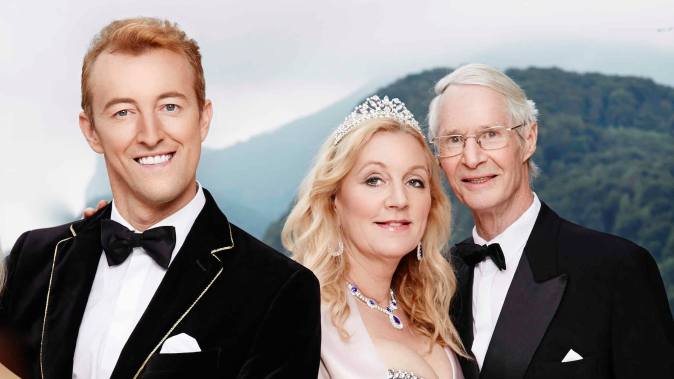
An evening of artistic power and precision arrives at Gotham Arts as Carnegie Hall featured artists unite for a commanding downtown concert experience.
On Thursday, March 26, 2026, Manhattan’s Flatiron District will host one of the season’s most anticipated chamber music events as CLASSIFIED II takes the stage at Gotham Arts. Scheduled from 7:00 pm to 10:00 pm, the performance promises a refined and focused exploration of virtuosity, ensemble precision, and artistic dialogue. Positioned as an elevated concert experience in the heart of downtown, the evening is set to draw an audience attuned to technical mastery and contemporary classical excellence.
Our readers have the opportunity to purchase tickets to this exclusive event:
Gotham Arts, known for its expansive industrial interiors and adaptable performance space, provides a distinctive setting for this program. Located in the Flatiron District, the venue balances urban character with a polished, production ready atmosphere. Its high ceilings and flexible staging capacity allow for an intimate yet powerful acoustic environment, making it an ideal canvas for chamber music at the highest level.
CLASSIFIED II is defined by clarity of concept. Two violins and one piano form the foundation of the evening’s program, a configuration that places precision and musical conversation at the forefront. Without the breadth of a full orchestra, every nuance is exposed. The structure demands disciplined technique, interpretive depth, and cohesive ensemble work.
The featured artists, recognized for appearances at Carnegie Hall, bring established credibility and refined artistry to the stage. Their shared history within one of the world’s most respected concert venues signals a level of excellence that aligns with the evening’s positioning. In this downtown presentation, their musicianship takes on a new dimension, shaped by proximity to the audience and the immediacy of chamber performance.
From the opening measures, CLASSIFIED II is designed to foreground artistic control. The dual violins operate in intricate dialogue, alternating between unified resonance and deliberate counterpoint. The piano anchors the trio with structural authority, offering both harmonic depth and rhythmic definition. This interplay creates a dynamic framework where individual brilliance is seamlessly integrated into collective precision.
The program’s emphasis on dazzling virtuosity is not a matter of volume or spectacle. It rests in accuracy, articulation, and interpretive confidence. Rapid passages, layered phrasing, and tightly synchronized entrances become central elements of the performance’s identity. Each movement is approached with exacting discipline, reinforcing the evening’s theme of commanding excellence.
Artistic Power in an Intimate Setting
Presenting such a focused ensemble within Gotham Arts underscores a deliberate shift in Manhattan’s cultural programming. While large scale productions continue to dominate marquee venues, CLASSIFIED II places chamber music in a contemporary urban context. The Flatiron District setting introduces classical performance to an audience accustomed to design, fashion, and creative industries, broadening the conversation around where high level artistry belongs.
The concert’s three hour window allows for a thoughtfully paced experience. Rather than a brief recital, the evening unfolds as a curated journey through repertoire selected to highlight contrast, texture, and structural clarity. Transitions between works are measured, preserving the atmosphere of concentration that defines chamber performance.
Two violins positioned at the forefront create a visual symmetry that mirrors the music’s internal architecture. Their physical alignment on stage reinforces the collaborative nature of the program. The piano, placed centrally, serves as both visual and sonic anchor, reinforcing the ensemble’s cohesion.
The Carnegie Hall affiliation carries symbolic weight within this setting. It signals to Manhattan audiences that the performers have already met the standards of one of the world’s most esteemed stages. Bringing that caliber of artistry to Gotham Arts reflects a commitment to accessibility without diminishing prestige. The downtown venue becomes a platform where elite performance meets contemporary city culture.
Precision as a Defining Theme
CLASSIFIED II’s emphasis on precision extends beyond musical execution. The event’s structure, from its clearly defined schedule to its carefully articulated branding, reflects intentionality. The phrase A Night of Artistic Power and Precision captures the program’s central promise. It communicates discipline, focus, and high level artistry without excess.
In a cultural landscape that often prizes spectacle, this concert presents mastery as its core attraction. The absence of orchestral density or elaborate staging places attention squarely on technique and ensemble chemistry. Every bow stroke and keystroke carries weight within the acoustic clarity of the space.
Audience members can expect a performance that rewards close listening. Subtle dynamic shifts, nuanced phrasing, and calibrated tempo choices become central to the experience. The intimacy of the venue allows these details to register fully, reinforcing the sense of presence that defines live chamber music.
As March 26 approaches, anticipation within Manhattan’s classical circles continues to build. The alignment of Carnegie Hall featured artists, the focused trio format, and the downtown location combine to position CLASSIFIED II as a defining cultural moment of the season. Tickets offer entry into an evening shaped by discipline, collaboration, and refined artistic ambition.
Within the broader framework of New York’s performance calendar, CLASSIFIED II stands as a statement of intent. It affirms that chamber music retains its relevance and authority in contemporary urban culture. At Gotham Arts in the Flatiron District, two violins and one piano will converge in a performance grounded in structure, clarity, and commanding excellence.
CLASSIFIED II, Gotham Arts, Flatiron District, Manhattan concerts, New York City classical music, Carnegie Hall featured artists, chamber music NYC, violin recital, piano trio performance, March 26 2026 events, downtown concert series, elite chamber ensemble, artistic power and precision, live music Manhattan, NYC cultural calendar, high society arts events, classical virtuosity, luxury concert experience, New York performance venues, contemporary chamber music, exclusive NYC tickets, Flatiron District events, Carnegie Hall alumni artists, upscale music events NYC, premium cultural experiences
A cinematic Art Deco vision unfolded as Malan Breton revealed his Autumn Winter 2026 collection during New York Fashion Week represented by Norah Lawlor the NY Power Pr House.
On Saturday, February 14, 2026, at 4:30 pm, the Leman Ballroom in Manhattan’s Financial District became the setting for one of the season’s most acclaimed and visually cohesive presentations. Malan Breton introduced his Autumn Winter 2026 collection, Song of the Winter Siren, during New York Fashion Week. The afternoon marked a decisive moment in Breton’s ongoing dialogue between fashion, cinema, and narrative form.
Baayork and Prince Mario Max
Conceived as a cinematic romance grounded in Art Deco grandeur, the coed collection reflected the visual codes of late 1920s and 1930s glamour while maintaining a distinctly contemporary clarity. The influence of classic film noir was evident in the measured pacing of silhouettes and the controlled interplay of light across textured fabrics. Breton approached the season with the precision of a director composing a frame, ensuring that each look carried narrative intent.
His Savile Row training was apparent in the structure of the garments. Jackets were cut with sculpted shoulders and disciplined lines. Waists were defined with architectural accuracy. Trousers fell with length and purpose. Evening gowns followed elongated contours that emphasized composure and restraint. The tailoring conveyed authority without excess, reinforcing a sense of character embedded within each piece.
At the center of the collection stood the Winter Siren, a figure defined by self awareness and presence. She was portrayed as assured and deliberate, her clothing expressing resolve through line and proportion. Breton described the Siren as a moment of recognition, an acknowledgment that life has shifted irrevocably. This idea informed the collection’s controlled intensity and its refusal to rely on spectacle.
Fabric choices deepened the mood. Velvet and wool crepe absorbed light, lending depth to outerwear and suiting. Silk satin and chiffon introduced fluidity, offering contrast through texture rather than embellishment. Metallic threaded textiles provided restrained luminosity, woven into garments with careful consideration. Art Deco inspired embroidery traced geometric motifs with precision, reinforcing the architectural references at the heart of the collection.
The palette anchored the narrative in nocturnal tones. Inkwell black established authority across coats and gowns. Bone white introduced clarity and contrast. Champagne gold and garnet added richness, while smoke silver brought a refined modern note. These shades appeared consistently across menswear and womenswear, ensuring cohesion throughout the presentation.
Beauty direction reinforced the era inspired aesthetic. Makeup by Odilis emphasized sculpted features and polished finishes that aligned with the collection’s disciplined mood. Hair by Vivienne Mackinder reflected structured elegance, echoing period influences while maintaining contemporary refinement. Together, beauty and fashion formed a unified visual language that elevated the runway into a complete narrative environment.
Select looks featured King Seiko VANAC watches, integrated seamlessly into tailored ensembles and eveningwear. The timepieces underscored themes of inevitability and precision, serving as subtle punctuation within the broader story. Their presence aligned with Breton’s emphasis on craftsmanship and detail, reinforcing the technical discipline underlying the collection.
A Multidisciplinary Vision
Malan Breton’s career has consistently bridged creative disciplines. Recognized by British Vogue as The Most Influential Designer You’ve Never Heard Of and described by Yahoo News as The Internet’s Favorite Designer, Breton has accumulated more than 100 international awards and honors. His work spans fashion, film, television, and music, reflecting a sustained commitment to storytelling across mediums.
In fashion, Breton has presented on schedule at major fashion weeks worldwide. His designs have been worn by Dame Emma Thompson, Priyanka Chopra, Janelle Monáe, Minnie Driver, Kylie Minogue, Raye, and Brenda Song. His creations have appeared on more than 200 magazine covers, including Vogue, Elle, Harper’s Bazaar, and GQ. Collaborations with photographers and filmmakers such as Rankin, Jonas Åkerlund, Ricardo Gomes, Nick Rhodes, Kelia Anne McCluskey, Greg Swales, and Joseph Kahn have further expanded his visual reach.
On screen, Breton starred in The Malan Show on Bravo, appeared on Project Runway and in Zoolander, and co hosted fashion programming for MTV. He also guest hosted Top Model internationally. His garments have become narrative elements in over 40 prime time television shows and have appeared on red carpets including the Academy Awards, Tony Awards, Golden Globes, BAFTAs, Golden Horse, and Cannes. In music, he achieved a top ten placement on the French charts, extending his creative presence beyond design.
As a filmmaker, Breton directed the award winning fashion film Je Suis Mona in 2024 and Immortal, a BAFTA qualifying short. His first film, Malan Breton A Journey to Taiwan, received recognition from the Taiwan Government. In 2025, he directed and choreographed the feature film 莉莉, blending martial arts, music, and fashion into a unified cinematic experience. Each endeavor reflects his dedication to narrative continuity across disciplines.
A Defining Moment at New York Fashion Week
Song of the Winter Siren consolidated Breton’s multidisciplinary approach into a single, cohesive runway presentation. The Leman Ballroom provided architectural gravitas that aligned with the collection’s Art Deco influences, while the coed format reflected a contemporary understanding of shared visual language across gender.
Tailored suits echoed classic menswear traditions through precise construction and balanced proportions. Evening gowns extended the body through elongated lines and controlled drape. Outerwear carried structural weight, reinforcing the season’s emphasis on presence. Repetition of sculpted shoulders and defined waists created continuity across the show, ensuring that each passage contributed to a unified vision.
Metallic threading appeared at measured intervals, adding texture without distraction. Embroidery traced geometric patterns that reinforced the era references. Fabric transitions from velvet to satin to chiffon were handled with deliberation, maintaining tonal and structural harmony.
As models moved through the Leman Ballroom, the interplay of texture, silhouette, and restrained ornamentation defined the atmosphere. The collection maintained a steady rhythm from opening look to finale, underscoring Breton’s commitment to clarity and cohesion.
With Song of the Winter Siren, Malan Breton delivered a presentation grounded in discipline, narrative depth, and technical precision. The Autumn Winter 2026 collection affirmed his position as a designer who approaches fashion as a comprehensive creative practice, shaped by tailoring, filmic structure, and an unwavering dedication to craft.
Malan Breton, Song of the Winter Siren, New York Fashion Week, NYFW 2026, Leman Ballroom, Manhattan Financial District, EPN Fashion Week, King Seiko VANAC, Odilis Beauty, Vivienne Mackinder, Savile Row tailoring, British Vogue, Yahoo News, Dame Emma Thompson, Priyanka Chopra, Janelle Monáe, Minnie Driver, Kylie Minogue, Raye, Brenda Song, Rankin photography, Jonas Åkerlund, Project Runway, The Malan Show, Bravo TV, Je Suis Mona film, Immortal short film, BAFTA qualifying short, Taiwan Government honors, 莉莉 feature film, Art Deco fashion, Film noir glamour
A cinematic Art Deco reverie unfolded as Malan Breton presented his Autumn Winter 2026 collection during New York Fashion Week.
On Saturday, February 14, 2026, at 4:30 pm, the doors of the Leman Ballroom in Manhattan’s Financial District opened to a world shaped by precision, restraint, and deliberate glamour. Within this stately venue, Malan Breton presented his Autumn Winter 2026 collection, titled Song of the Winter Siren, as part of New York Fashion Week.
The presentation, Norah Lawlor did its powerful PR, delivered a refined study in character, mood, and silhouette.
The collection was conceived as a cinematic romance framed by the architectural discipline of Art Deco. Breton drew from the late 1920s and 1930s, referencing the visual codes of classic film noir and the structured elegance of interwar glamour. The coed offering balanced control with emotion, structure with fluidity, and clarity with tension.
Breton’s training on Savile Row informed the collection’s architectural rigor. Every line appeared intentional. Shoulders were sculpted with exactness. Waists were defined with clarity. Proportions elongated the body without excess. The garments were shaped to convey presence, allowing the wearer to inhabit a narrative rather than simply display an ensemble.
At the center of the story stood the Winter Siren, a figure defined by self-possession. She was presented as grounded and aware, a woman whose strength was expressed through stillness and composure. Her clothing communicated resolve through elongated lines and measured movement. Each look felt considered, with silhouettes that emphasized control and continuity.
The fabric story deepened this atmosphere. Velvet and wool crepe absorbed light, creating depth across tailored coats and evening dresses. Silk satin and chiffon introduced softness, moving gently against the body while maintaining shape. Metallic threaded textiles offered restrained luminosity, reflecting illumination with subtlety rather than spectacle. Art Deco inspired embroidery provided geometry and ornamentation with discipline, tracing patterns that echoed architectural motifs of the era.
The palette reinforced the nocturnal narrative. Inkwell black anchored the collection with authority. Bone white offered contrast without brightness. Champagne gold and garnet introduced richness, while smoke silver lent a modern inflection. These tones appeared across suiting, gowns, outerwear, and fluid separates, ensuring cohesion across genders and categories.
Beauty direction played a central role in shaping the final image. Odilis crafted makeup that leaned into polished, era inspired glamour, favoring defined contours and controlled luminosity. Hair by Vivienne Mackinder reflected the same disciplined aesthetic, with styles that referenced period structure while remaining contemporary in finish. Together, these elements completed the narrative Breton set on the runway.
Select looks incorporated King Seiko VANAC watches, underscoring themes of precision and inevitability. The timepieces sat against velvet sleeves and tailored cuffs with quiet authority. Their presence reinforced craftsmanship as a foundational principle. In this context, time functioned as an aesthetic detail integrated seamlessly into the story.
The Discipline of Craft
Malan Breton’s career has long bridged multiple creative fields. Recognized by British Vogue as The Most Influential Designer You’ve Never Heard Of and hailed by Yahoo News as The Internet’s Favorite Designer, Breton accumulated more than 100 international awards and honors. His trajectory spanned fashion, film, television, and music, reflecting a sustained commitment to multidisciplinary expression.
On the runway, Breton presented on schedule at major fashion weeks worldwide. His collections were worn by Dame Emma Thompson, Priyanka Chopra, Janelle Monáe, Minnie Driver, Kylie Minogue, Raye, and Brenda Song, among many others. His designs appeared on more than 200 magazine covers, including Vogue, Elle, Harper’s Bazaar, and GQ. Photographers and filmmakers such as Rankin, Jonas Åkerlund, Ricardo Gomes, Nick Rhodes, Kelia Anne McCluskey, Greg Swales, and Joseph Kahn collaborated in capturing his vision across print and moving image.
Breton’s presence extended beyond fashion editorials and runway shows. He starred in The Malan Show on Bravo, appeared on Project Runway and in Zoolander, and co hosted for MTV fashion programs. He also guest hosted Top Model internationally. His garments were integrated into storylines in more than 40 prime time television shows and appeared on red carpets at the Academy Awards, Tony Awards, Golden Globes, BAFTAs, Golden Horse, and Cannes. In music, Breton achieved a top ten placement on the French charts, underscoring his reach across artistic disciplines.
As a filmmaker, Breton continued to expand his creative language. He directed the award winning fashion film Je Suis Mona in 2024 and Immortal, a BAFTA qualifying short. His first film, Malan Breton A Journey to Taiwan, received honors from the Taiwan Government. In 2025, he directed and choreographed the feature film 莉莉, integrating martial arts, music, and fashion into a unified narrative form. Each project reinforced his commitment to storytelling through design and movement.
A Cinematic Presence at NYFW
Song of the Winter Siren consolidated these experiences into a single runway moment. The show’s structure, timing, and venue positioned it firmly within the cultural framework of New York Fashion Week. The Leman Ballroom provided architectural gravitas that aligned with the Art Deco influences woven throughout the collection.
The coed format reflected contemporary sensibilities while maintaining Breton’s signature elegance. Tailored suits echoed the precision of classic menswear, while evening gowns traced elongated lines that emphasized stature and control. Outerwear carried weight through fabric choice and cut, reinforcing the season’s emphasis on presence.
Throughout the presentation, the narrative of inevitability was expressed through pacing and repetition of silhouette. Defined shoulders appeared across multiple looks, creating continuity. Waist emphasis shaped both suiting and gowns, reinforcing structure. Metallic threading emerged in measured intervals, ensuring cohesion across the collection.
Breton described the Siren as a moment of realization, an acknowledgment that life had shifted irrevocably. This conceptual framing informed the collection’s restraint. Rather than relying on excess, the designs communicated through proportion, tailoring, and texture. The result was a presentation that felt cohesive and assured.
As the models moved through the Leman Ballroom, the interplay of velvet, satin, chiffon, and metallic thread constructed a layered visual field. Each garment carried its own narrative while contributing to the larger arc of the show. Precision in cut and fabrication remained constant from the first look to the final passage.
With Song of the Winter Siren, Malan Breton reinforced his position as a designer who approached fashion as narrative architecture. The Autumn Winter 2026 collection stood as a study in controlled glamour, rooted in history yet articulated for a contemporary audience. Within the disciplined geometry of Art Deco and the emotional register of film noir, Breton shaped a season defined by clarity, presence, and craft.
Ten Reasons the Piarist Ball Became America’s Most Distinguished Ball
An enduring New York tradition confirms its standing as the nation’s most refined philanthropic ball through continuity, cultural purpose, and principled leadership.
New York Celebrity Sylvia Hemingway celebrated the most distinguished Hungarian night with a circle for dear friends from the New York leading A-List including Philanthropist Ruth Miller and The International Queen of Chocolate Maribel. An incredible night!
In the crowded history of American society events, few evenings achieve distinction through restraint. Fewer still sustain that distinction across generations. The Piarist Debutante Ball has done precisely that, returning year after year with an approach that values continuity over spectacle and purpose over visibility. By its sixty third presentation, the ball has secured a position that extends beyond social custom and into civic tradition, earning recognition as the most accomplished American ball through the accumulation of principle rather than scale.
The first reason lies in its uninterrupted history. For more than six decades, the Piarist Debutante Ball has opened New York’s ball season with consistency that is unmatched. In a cultural environment often defined by reinvention, the ball has maintained its structure, ceremonies, and standards without dilution. This continuity has created a shared memory across generations of families, organizers, and supporters, allowing the event to function as a living institution rather than a recurring novelty.
Equally significant is the clarity of its purpose. From its founding, the ball has existed to support education through the mission of the Order of the Pious Schools. Philanthropy is not an accessory to the evening but its foundation. Every ritual, presentation, and gathering within the program is oriented toward sustaining schools that have shaped intellectual life for centuries. This alignment between social form and educational mission gives the event a moral coherence rarely found in comparable gatherings.
The choice of venue reinforces this coherence. The University Club at One West 54th Street provides a setting defined by architectural discipline and cultural continuity. The building does not compete with the event it hosts. Instead, it frames the evening with proportion and permanence, allowing ceremony to unfold without distraction. Few American balls can claim a venue so closely aligned with their values or so consistently maintained across decades.
Another defining factor is the structure of the evening itself. The Piarist Ball follows a precise sequence that balances sociability with ceremony. From the opening reception through dinner, formal presentation, and concluding dances, each phase is given appropriate weight. There is no rush toward climax, no reliance on surprise. The result is an evening that unfolds with confidence, trusting its audience to appreciate formality as an experience rather than a performance.
The presentation of debutantes remains central to this experience. Introduced individually and with dignity, each participant represents a tradition that emphasizes discipline, responsibility, and education. The ritual is conducted without theatrical excess, reinforcing the idea that entrance into society carries obligations as well as privilege. This approach distinguishes the Piarist Ball from events where presentation has become symbolic rather than substantive.
Music plays an equally disciplined role. Live performance by ensembles such as the Lester Lanin Society Orchestra and the Laura Angyal Jazz Quartet provides continuity between ceremony and celebration. The music supports the rhythm of the evening rather than dominating it, sustaining a tone that remains elegant from beginning to end. Ballroom dance is treated as a shared cultural language, not as an exhibition.
Cultural preservation further elevates the ball’s standing. The inclusion of the Hungarian Palotas Dance and the Csárdás situates the evening within a broader European heritage, presented with respect and authenticity. These moments are not decorative interludes but expressions of living tradition, reinforced by participation from organizations such as the Hungarian Scouts of New Brunswick and performances by figures like Daniel Horvath. Through these elements, the ball affirms that heritage can be actively maintained within contemporary civic life.
Leadership has also played a decisive role in the ball’s distinction. The stewardship of figures such as President Dr. v. István Somkúti, Co Chairs Dama v. Enikő Mara Somkúti von Felsőszálláspatak and Mrs. Rachel Tibold de Babócsa, and Master of Ceremonies Dr. v. Stephen M. Vajtay, Jr. reflects an intergenerational commitment to governance. The event is guided rather than produced, ensuring continuity of standards and values.
The composition of the Honorary Committee further underscores the ball’s stature. The presence of public leaders, diplomats, and members of European nobility reflects international respect for the event’s mission. Individuals such as former Governor George Pataki, Ambassador Szabolcs Takács, Consul General István Pásztor, Archduke and Archduchess Dr. Géza and Elizabeth von Habsburg Lothringen, and Prince Mario Max Schaumburg Lippe lend their names not for visibility but in recognition of the ball’s educational and cultural purpose.
Prince Mario Max Schaumburg Lippe’s involvement exemplifies this alignment. Known for advocacy in education and cultural preservation, his association with the Piarist Ball reflects shared values rather than ceremonial obligation. His participation reinforces the event’s credibility as a forum where tradition and responsibility intersect.
Finally, the Piarist Debutante Ball achieves distinction through restraint. It does not seek to dominate headlines or redefine itself annually. Instead, it relies on accumulated trust, disciplined ceremony, and a clear philanthropic mission. In doing so, it has become the quiet benchmark against which other American balls are measured.
As New York’s ball season opens each year, the Piarist Ball stands not as the most visible event but as the most complete. Through history, purpose, structure, leadership, and cultural integrity, it has earned recognition as America’s most accomplished ball, an evening defined by continuity and sustained by conviction.
Prince Mario Max Schaumburg Lippe, Piarist Debutante Ball, University Club New York, New York Ball Season, Hungarian Cultural Heritage, Order of the Pious Schools, Saint Joseph of Calasanz, Dr István Somkúti, Enikő Mara Somkúti, Rachel Tibold de Babócsa, Stephen M Vajtay Jr, George Pataki, Szabolcs Takács, István Pásztor, Daniel Horvath, Lester Lanin Society Orchestra, Laura Angyal Jazz Quartet, Hungarian Palotas Dance, European Nobility, Education Philanthropy, Manhattan Society Events, Classical Ballroom Tradition
A cherished New York holiday tradition returned with warmth, music, and deep cultural pride as Cristina Fontanelli and her foundation presented the 22nd annual Christmas in Italy concert, an evening that once again united Italian heritage, classical artistry, and charitable purpose in the heart of the city. The stunning St. Jean Baptiste Church on 76th Street was the wonderful venue for the show.
We can confidently call it the concert of the year!
For more than two decades, Christmas in Italy has stood as a singular event on New York’s cultural calendar, blending sacred music, beloved Italian songs, and seasonal classics with a sense of personal history and community devotion. This year’s performances continued that legacy with quiet confidence and emotional clarity, reaffirming the concert’s place as a meaningful gathering rather than a spectacle.
The program was presented by the Cristina Fontanelli Foundation, Inc., an organization whose mission is closely tied to education, children, and the preservation of cultural values. Under its guidance, the concert has evolved into a sustained philanthropic effort that channels the power of music into tangible support for young people, particularly students with special needs.
At the center of the evening stood Cristina Fontanelli, host soprano and founder, whose presence shaped every aspect of the performance.
Her role was not limited to singing. She served as curator, storyteller, and guiding voice, weaving together repertoire, memory, and intention with a steady sense of purpose. Her approach remained grounded and sincere, reflecting a lifelong commitment to honoring her Italian roots while embracing the American city that has become her home.
The setting at St. Jean Baptiste Church, located at 76th Street and Lexington Avenue, provided a dignified and resonant space for the performances. The church’s long association with the Italian American community lent additional meaning to the evening, reinforcing the sense that this concert belongs as much to the neighborhood and its history as it does to the stage.
The wonderful St Anthony of Padova is the family saint patron of the Royal H.H. Dr. Prince Mario-Max Schaumburg-Lippe family.
The concert opened with an atmosphere of welcome shaped by emcee Denise Richardson, whose steady presence framed the evening with grace and clarity. Her connection to public broadcasting and cultural advocacy brought a tone of respect and familiarity that set the stage for the music to unfold naturally.
From the first notes, the program moved with thoughtful pacing, balancing traditional Italian songs, classical selections, and Christmas favorites. The repertoire reflected centuries of musical heritage, yet it was presented with accessibility and warmth, inviting listeners of all backgrounds into the experience.
Alexander Chaplinski contributed piano and organ performances that anchored the evening with elegance and restraint. His playing offered both structural support and expressive nuance, allowing the vocalists and instrumentalists to move confidently through the varied program.
The mandolin section, featuring Joyce Balint, Janet Folchetti, and Patricia Foung, brought a distinctive Italian color to the concert. Their performances evoked intimacy and craftsmanship, reminding the audience of the instrument’s deep association with Italian folk and classical traditions. Each player contributed her own musical voice while maintaining a cohesive ensemble sound.
David Galvez on guitar added rhythmic warmth and melodic clarity, complementing the mandolins and vocals with sensitivity. His background in classical and contemporary styles was evident in the way he shaped phrases and supported the singers without drawing attention away from the core of the music.
Accordionist Bill Schimmel provided one of the evening’s most evocative textures. The instrument’s unmistakable voice carried listeners across borders and generations, recalling both street music and concert halls. His performance underscored the accordion’s unique ability to bridge popular and classical traditions.
Tenor Joseph Disalle brought vocal strength and emotional directness to the program. His singing conveyed clarity of line and respect for the text, qualities that resonated deeply within the sacred and traditional repertoire.
A special place in the concert was reserved for young performers, including the students of PS 168X, guided by vocal soloist Evangeline Pabalalan. Their participation reinforced the foundation’s commitment to education and inclusion, reminding the audience that the future of cultural tradition depends on the encouragement and visibility of young voices.
Adding a theatrical element, the concert also featured young actors Arturo Skoda, Mara Carbone, and Timmy Cavanaugh. Their involvement brought a sense of storytelling and continuity, connecting music to narrative and memory.
Throughout the evening, the program reflected a careful balance between performance and remembrance. A printed dedication honored Cristina Fontanelli’s family, including her mother Mamma Francesca, her grandparents Eleonora and Domenico De Candia, Christina and Joseph Fontanelli, her brother John, her father Rocco, and the many supporters who have passed on. This acknowledgment was offered not as sentimentality but as an integral part of the concert’s meaning.
The dedication also extended to the Italian American immigrant experience, specifically honoring those connected to the Italian Food Center on Mulberry and Grand Streets in Little Italy. The recognition of these everyday histories grounded the concert in lived experience, reminding the audience that cultural traditions are sustained by families, labor, and shared memory.
Beyond the music itself, Christmas in Italy has always carried a philanthropic purpose. Proceeds from the concert support children and youth through the foundation’s ongoing initiatives, including programs for students with special needs. This charitable dimension was not presented as an aside but as a core reason for the concert’s continued existence.
The printed program detailed the wide network of sponsors and supporters who contribute to making the event possible, reflecting a community effort rather than a single artistic endeavor. Their involvement underscored the collaborative spirit that has sustained the concert for twenty two years.
The evening concluded without spectacle or excess, staying true to the concert’s character. The final moments felt resolved and complete, shaped by gratitude and continuity rather than finale-driven drama.
Christmas in Italy remains a rare example of a cultural event that has grown steadily while maintaining its original intention. It has not chased trends or expanded beyond recognition. Instead, it has deepened its connection to audience, place, and purpose.
In a city defined by constant change, the concert’s consistency has become one of its greatest strengths. Audiences return not only for the music but for the sense of belonging it fosters, a feeling rooted in tradition and sustained by care.
Cristina Fontanelli’s vision continues to guide the concert with clarity. Her ability to merge artistry with service, and heritage with openness, has shaped Christmas in Italy into a lasting institution rather than a seasonal occasion.
As the final notes faded inside St. Jean Baptiste Church, the concert left behind a quiet affirmation of what holiday music can represent. It offered remembrance without nostalgia, celebration without excess, and generosity without display.
Christmas in Italy once again fulfilled its purpose, blessing New York with the enduring spirit of Italian culture, community devotion, and shared humanity.
Cristina Fontanelli and the Modern Life of Opera
An American soprano with international reach, Cristina Fontanelli has shaped a distinctive career that places classical voice at the center of contemporary cultural life.
Cristina Fontanelli occupies a rare position in American music, one defined by sustained classical discipline and a broad public presence that continues to grow. Trained in the rigor of opera while fluent in the language of popular presentation, she has built a career that respects tradition and remains attentive to modern audiences. Her work reflects a belief that opera can live comfortably within today’s cultural landscape without dilution or spectacle.
Born in New Jersey, Cristina Fontanelli discovered music early and pursued vocal study with a seriousness that would later define her professional path. From her formative years, her voice showed a natural lyric clarity that responded well to classical training. Her development followed a disciplined trajectory that emphasized technique, language, and musical interpretation rather than quick exposure.
Her education brought her into contact with established pedagogical traditions that have shaped operatic voices for generations. She absorbed these methods carefully, refining breath control, tonal balance, and expressive restraint. This foundation became central to her performances, allowing her to navigate demanding repertoire with consistency and control.
Early professional engagements confirmed her readiness for a public career. She appeared in concert settings that favored precision and emotional clarity over theatrical excess. These performances introduced her to audiences who responded to her direct style and clear vocal presence.
As her career expanded, Fontanelli became known for programming that welcomed listeners who might not otherwise attend opera. She curated concerts that combined well known arias with accessible selections, presented in formal settings without intimidation. This approach positioned her as a bridge between traditional opera houses and contemporary cultural venues.
Her voice, a lyric soprano of focused projection, proved especially effective in live concert environments. She maintained vocal integrity while communicating directly with audiences, a balance that remains difficult for many classically trained singers. The result has been a growing base of listeners who follow her work across genres.
Fontanelli’s collaborations have played an important role in shaping her public profile. Her performances alongside Andrea Bocelli introduced her to international audiences and underscored her credibility within the classical community. These appearances reinforced her reputation as a singer capable of sharing the stage with globally recognized artists while maintaining her own artistic identity.
Beyond individual concerts, she has participated in televised performances and large scale public events that brought opera into mainstream view. These appearances were marked by careful repertoire choices and a presentation style that emphasized musical substance. She consistently avoided novelty in favor of clarity and respect for the material.
Her work has also included philanthropic and civic engagements, where music functions as a shared cultural language. In these settings, Fontanelli often emphasizes the emotional accessibility of classical music. She treats opera not as an elite form but as a living tradition meant to be heard and understood.
After years of steady growth, her career reflects longevity rather than acceleration. She has avoided the cycle of constant reinvention, choosing instead to deepen her repertoire and refine her performance practice. This approach has allowed her voice to mature naturally over time.
Her recordings serve as an extension of her live work. They emphasize vocal purity and traditional arrangements, capturing the qualities that define her stage presence. Listeners encounter a consistent artistic voice across formats.
Fontanelli’s presence in American cultural life has contributed to a renewed visibility for opera singers outside conventional institutions. She demonstrates that a classical career can thrive through adaptability rather than compromise. Her performances invite attention without demanding explanation.
Subhead: Building an Audience for Classical Voice
Audience development remains central to her work. Fontanelli understands that many listeners approach opera with uncertainty. Her concerts often include contextual framing through program selection rather than spoken instruction, allowing the music itself to guide the experience.
She maintains a professional aesthetic that reflects the formality of opera while remaining contemporary in presentation. This balance has proven effective in venues that range from concert halls to civic stages. Her visual and musical restraint keeps attention focused on the voice.
Critical reception has emphasized her technical reliability and clear interpretive choices. Reviewers often note her ability to sustain long phrases and maintain tonal focus throughout demanding programs. These qualities support a career built on repeat engagement rather than momentary attention.
Her work has also influenced younger singers who see in her career a model of sustainability. By emphasizing preparation and thoughtful programming, she presents an alternative to rapid exposure through competition or media trends. Her path demonstrates that steady artistry can coexist with public visibility.
Fontanelli remains active in live performance, where her voice continues to evolve within the framework of classical technique. Each appearance reflects accumulated experience rather than departure from form. This continuity reinforces audience trust.
Her career stands as an example of how opera singers can engage contemporary audiences while honoring tradition. She does not frame her work as innovation but as continuation. The result is a body of work that feels grounded and relevant.
As opera continues to seek new listeners, Cristina Fontanelli’s career offers a practical and persuasive model. Through disciplined training, careful collaboration, and consistent public engagement, she has sustained a presence that respects the art form and the audience equally.
Cristina Fontanelli, opera singer, American soprano, classical music, opera concerts, Andrea Bocelli, concert soprano, opera in America, lyric soprano, classical crossover, live performance, vocal performance, opera outreach, televised concerts, orchestral collaboration, New Jersey artists, American opera voices, concert halls, philanthropic performances, classical recordings, vocal training, music education, public concerts, opera accessibility, cultural events.
A Tribute to H.H. Dr. H.c. Prince Waldemar Prinz zu Schaumburg-Lippe.
The Royal Prince of the Hearts
His wife H.H. Dr. Princess Antonia zu Schaumburg -Lippe and his son H.H. Dr. Mario-Max Prince zu Schaumburg-Lippe state:
The world mourns the loss of my beautiful humble loving Prince Waldemar, my beloved husband of regal heritage and extraordinary character. A royal banker, photographer, painter, writer, and polyglot! Prince Waldemar’s presence lit up every room he entered. His family and friends worldwide remember him with tears, but also with laughter and joy, as they recall his charismatic personality, infectious humor, and unwavering kindness.
“He was a brave fighter and advocate against mobbing and stalking, as even he himself and his family has been a decades long target of a bully and stalker. He never gossiped, and he never humiliated anyone,” we hear unisono. Coming from incomparable nobility dating back to the first Viking King and the year 936, he clearly called out arisproletarians (Arisproleten), people with a title that dont conduct what aristocracy means, as he has condemned gossipy or commentary nobles that think they can get away with their misconduct by birthright. Prince Waldemar called them nobodies and wannabes and always taught his Royal son Prince Mario-Max and Royal wife Princess Antonia to expose those, as they bring the entire Royalty down. He was himself master of etiquette and protocol, held the Danish Diplomatic passport and was known as the most refined Prince on earth.
“When he entered a room, he was the center of the party – charismatic, fun, trustworthy.” Prince Waldemar’s handshake had quality, a testament to his integrity and strength of character.
A loving husband to Her Highness Princess Antonia and proud father to His Highness Prince Mario-Max, His Highness Prince Waldemar was a rock for his family.
No mountain was too high for him to climb, and his love and support knew no bounds. He spoke many languages fluently, connecting with people from diverse backgrounds and cultures. He built bridges between cultures and his work was honored with multiprl awards because people respect his passionate work to make the world a better place.
As we celebrate his birthday today we honor this extraordinary prince, we take comfort in the memories of his laughter, his art, and his unwavering optimism. Beloved Prince Waldemar may be gone, but his spirit lives on in the hearts of those who loved him. And also for his mother H.R.H. Princess Feodora of Denmark he was the best son of the world.
A new plan for the former Michael Jordan estate proposes an educational and immersive attraction that blends architecture, personal development, and access to nature. The current city council can create something of eternal global significance!
The long driveway leading to the former Michael Jordan mansion in Highland Park has always suggested ambition on a grand scale, even during the many years when the property stood largely dormant on the market. Built as a private residence and defined by its size, security, and unmistakable presence, the estate waited more than a decade for a buyer willing to reimagine its future rather than simply inhabit its past.
That buyer arrived in December 2024, when John Cooper, a partner in a commercial real estate firm, acquired the nine bedroom, nineteen bathroom estate.
Cooper approached the acquisition with a distinctly unconventional outlook. Rather than positioning the mansion as a private luxury residence, he quickly reframed it as a shared asset, renaming the property Champions Point. The new name signaled an intention to shift the narrative from exclusivity toward aspiration, drawing on broader themes of achievement and personal growth.
The Highland Park City Council needs to support this amazing entrepreneur who initiates a global thought process to eco conscious exploration anchored by the attractive world famous mansion.
His current proposal presented to the Highland Park City Council, in an eighteen page document, Cooper outlined plans to transform Champions Point into a full time tourist attraction and immersive museum. The proposal framed the estate as a destination designed to inspire personal transformation through curated experiences rather than passive observation.
The language of the pitch positioned the property as a dynamic cultural institution where architecture, sports, and philanthropy would converge. Cooper described it as a living platform dedicated to helping visitors recognize and engage with their own untapped potential. The emphasis rested firmly on education and self development rather than celebrity spectacle.
Central to the new plan is the beautiful integration of the mansion with its surrounding environment. Cooper is seeking a zoning amendment and special use permit that would allow controlled public access to the property, along with use of the parking lot at a neighboring public nature preserve. A proposed one hundred twenty foot pedestrian path would connect the preserve’s nature center directly to Champions Point.
It is in the hands of Mayor Nancy Rotering, Mayor of Highland Park, Illinois, City Council Members Anthony E. Blumberg, City Council member, Barisa Meckler Bruckman, City Council member, Jon Center, City Council member, Annette Lidawer, City Council member, Yumi Ross, City Council member and Andrés Tapia, City Council member to show that they care for education, culture, tourism, a prosperous city and want to bring their city to the next level with this beautiful project!
This connection to nature forms a key element of Cooper’s argument. He has positioned the estate as a gateway experience that encourages reflection, learning, and engagement with both built and natural environments. Newstodayworld has described the concept as an idea worthy of educational recognition, citing its focus on inspiration and public enrichment.
The proposal outlines daily operating hours from eight in the morning to seven in the evening, running from May through October, with reduced hours during the winter months. In addition, Cooper has requested approval to host up to six evening events per year, each concluding by eleven at night. These events are framed as limited, carefully managed gatherings rather than frequent large scale functions.
Architectural changes are also part of the plan. Among the most symbolic is the relocation of the iconic number twenty three gate from the street facing entrance to an interior location on the property. Cooper has stated that the move is intended to reduce traffic congestion and discourage visitors from stopping or lining up along the quiet cul de sac.
Its a great way to get people off their computers into a nature preserve. There is no environmental impact and questioned whether the project prioritizes educational gain with ecological stewardship over just unvisited, forgotten pristine nature that needs to be put in the spotlight.
The preservation goals with economic and cultural development opportunities all speak for Cooper. Cooper, for his part, has researched that the project can coexist responsibly with the surrounding landscape through thoughtful planning and limited access points.
Champions Point sits at the intersection of celebrity history, architectural scale, municipal regulation, and evolving expectations around access and education.
For Cooper, the mansion represents more than a real estate investment. It is a platform for experimentation in how spaces associated with achievement can be repurposed to motivate and educate. His persistence following the rejection of the timeshare model suggests a commitment to finding a viable path forward within regulatory frameworks.
If approved, the transformation of Champions Point would mark a rare instance of a modern sports era residence becoming a structured cultural destination during the lifetime of its former owner. The approach avoids nostalgia in favor of forward looking themes, positioning the site as a place for reflection rather than commemoration.
Michael Jordan, John Cooper, Champions Point, Highland Park Illinois, NBA, Chicago suburbs, luxury real estate, cultural institutions, immersive museums, sports history, commercial real estate, zoning policy, nature preserves, educational tourism, architectural preservation, celebrity homes, municipal governance, Newstodayworld, Sportico, personal development spaces, philanthropy projects, American sports culture, high end properties, adaptive reuse, tourist attractions
A distinguished evening at the Pérez Art Museum Miami will honor cultural leadership under the presidency of Her Majesty Queen Sofía.
The invitation itself signals the gravity of the occasion, a formal announcement issued by the Board of Directors of The Queen Sofía Spanish Institute, presented under the presidency of Her Majesty Queen Sofía. It extends a clear and deliberate welcome to the 2026 Sophia Awards for Excellence Gala, an evening positioned as one of the most significant cultural gatherings on the international calendar linking Spain and the United States. Every element of the presentation reflects continuity, institutional strength, and a long-standing commitment to cultural exchange.
The Sophia Awards for Excellence have become a defining expression of the Institute’s mission, recognizing individuals whose contributions advance the understanding of Spanish culture, language, and civic engagement beyond national borders. The 2026 gala continues this tradition with an emphasis on leadership, philanthropy, and cultural stewardship, placing Miami at the center of a transatlantic dialogue that has shaped art, education, and public life for decades.
Presided over by Her Majesty Queen Sofía, the evening carries a rare level of symbolic importance. Her association with the Institute has long embodied its values of cultural diplomacy, intellectual exchange, and enduring respect for the humanities. Her presence affirms the gala’s standing as a serious and respected platform rather than a ceremonial gathering alone.
The Queen Sofía Spanish Institute, based in New York with a global reach, has consistently served as a bridge between Spain and the United States through programming that spans literature, visual arts, music, education, and public policy. The gala represents the Institute’s most visible annual moment, drawing together patrons, cultural leaders, and supporters whose work reflects these shared priorities.
For 2026, the Board of Directors has selected honorees whose influence resonates across both civic and cultural spheres. Jorge M. and Darlene Pérez are recognized for their transformative role in shaping Miami’s cultural landscape, particularly through their sustained commitment to the arts, education, and public institutions. Their philanthropic vision has left an enduring imprint on the city and continues to support cultural access at an international level.
Frank and Haydée Rainieri are also honored, reflecting a lifetime of leadership that connects business, culture, and social responsibility. Their work has contributed to economic development while maintaining a strong emphasis on cultural heritage and community engagement, aligning closely with the values celebrated by the Sophia Awards.
The decision to host the gala at the Pérez Art Museum Miami underscores the evening’s cultural focus. Located at 1103 Biscayne Boulevard, the museum stands as one of the most prominent contemporary art institutions in the United States, known for its global perspective and its role as a civic anchor in Miami. The venue provides a fitting setting for an event that celebrates international cultural dialogue.
Miami itself holds particular relevance for the Queen Sofía Spanish Institute. As a city shaped by Spanish language, heritage, and transnational exchange, it serves as a natural extension of the Institute’s mission. Hosting the gala there reflects the evolving geography of cultural leadership in the United States, acknowledging Miami’s role as a gateway between Europe, the Americas, and beyond.
The formal structure of the evening adheres to tradition, with a black tie dress code that signals both respect for the institution and the ceremonial nature of the awards. Guests are invited to participate in an event that balances elegance with intellectual purpose, reinforcing the idea that cultural recognition carries both dignity and responsibility.
The gala’s schedule, set for Wednesday evening, positions the event within a broader season of international cultural gatherings, yet the Sophia Awards maintain a distinct identity. Rather than focusing on artistic trends or commercial success, the awards emphasize long-term contribution, stewardship, and the sustained advancement of cultural understanding.
Throughout its history, the Queen Sofía Spanish Institute has maintained a careful balance between honoring legacy and engaging with contemporary issues. The Sophia Awards for Excellence reflect this approach, acknowledging individuals whose work is rooted in tradition while addressing the realities of a globalized cultural landscape.
The presence of Her Majesty Queen Sofía lends continuity to this vision. Her role as president is not merely honorary but emblematic of the Institute’s enduring values. Her longstanding support for cultural institutions has reinforced the importance of education, art, and dialogue as foundations of civil society.
The 2026 honorees exemplify these principles through action rather than rhetoric. Jorge M. and Darlene Pérez have demonstrated how private philanthropy can shape public cultural life, while Frank and Haydée Rainieri illustrate how leadership across sectors can support heritage and innovation simultaneously.
As the evening unfolds, the focus remains firmly on recognition rather than spectacle. The Sophia Awards are designed to elevate the work of their recipients while reinforcing the Institute’s broader mission, creating a shared moment of acknowledgment that extends beyond the walls of the venue.
The invitation’s design, understated and formal, reflects this sensibility. It communicates respect for tradition while situating the event within a contemporary cultural context, signaling that the gala is both a celebration and a reaffirmation of purpose.
For attendees, the gala represents an opportunity to engage with a network of individuals committed to cultural exchange and public service. It serves as a reminder that institutions like the Queen Sofía Spanish Institute rely on collective support and shared values to sustain their work across generations.
The choice of Miami as host city further emphasizes the Institute’s recognition of evolving cultural centers within the United States. By bringing the Sophia Awards to the Pérez Art Museum Miami, the Institute acknowledges the city’s growing influence in global cultural conversations.
As preparations culminate in January 2026, the gala stands as a clear expression of continuity, honoring individuals whose contributions align with a broader commitment to cultural understanding and civic responsibility. It reinforces the idea that excellence in culture is measured not by visibility alone but by lasting impact.
In bringing together honorees, patrons, and institutional leaders, the 2026 Sophia Awards for Excellence Gala affirms the enduring relevance of the Queen Sofía Spanish Institute’s mission. The evening reflects a shared belief in culture as a public good and in recognition as a means of strengthening the institutions that sustain it.
Queen Sofía, Queen Sofía Spanish Institute, Sophia Awards for Excellence, Sophia Awards Gala, Pérez Art Museum Miami, Jorge M. Pérez, Darlene Pérez, Frank Rainieri, Haydée Rainieri, Miami cultural events, Spanish cultural diplomacy, international philanthropy, art institutions Miami, Spanish American relations, cultural leadership, global arts patronage, black tie gala Miami, Biscayne Boulevard, Miami arts scene, transatlantic culture, cultural excellence awards, Spanish heritage, American cultural institutions, nonprofit leadership, international gala events
A Groupmuse holiday encore brings four acclaimed classical artists together for an intimate seasonal program in New York City.
Lights of the Season: A Holiday Encore arrives as a carefully shaped continuation of the festive calendar, presented within the distinctive framework of Groupmuse and hosted in the West Village. The evening reflects a shared belief in proximity, conversation, and musical presence, values that define the Groupmuse platform and distinguish it from traditional concert halls. Set within an intimate church setting, the performance emphasizes clarity of sound, personal connection, and the shared experience of live classical music.
The concert gathers four musicians whose international careers intersect at a moment of collective artistry. Bass Kofi Hayford, soprano Maria Brea, pianist Alexander Bolotin, and violinist Taisiya Losmakova form an ensemble rooted in varied traditions and training, unified by professional depth and mutual respect. Each artist arrives with a substantial body of work and a performance history that spans major institutions, festivals, and cities across the United States, Europe, Africa, and beyond.
Groupmuse’s model frames the evening as both accessible and refined. Audience members reserve their places in advance, with the full contribution made at the event itself, reinforcing a sense of shared support for the musicians. The gathering is welcoming, family friendly, wheelchair accessible, and open to a wide public, reflecting the organization’s mission to integrate classical music into everyday communal spaces.
The choice of West Village as the neighborhood anchor carries its own significance. Long associated with artistic exchange and cultural openness, the area provides a fitting context for a concert that values dialogue between performers and listeners. The exact address remains shared only with approved attendees, preserving the intimacy that defines the Groupmuse experience.
At the center of the program stands Kofi Hayford, who also serves as the event host. Hayford’s career reflects a steady ascent marked by international recognition and institutional leadership. A prize-winning British Ghanaian American bass, he has built a reputation for vocal authority and expressive range across more than forty operatic roles.
Hayford’s engagements have included performances with the Metropolitan Opera Guild, Fort Worth Opera, Indianapolis Opera, and the Buffalo Philharmonic Orchestra. His work extends across continents, drawing audiences from the Arctic Circle to the Caribbean, and throughout Europe and Africa. These experiences shape his approach to both performance and hosting, grounding the evening in professional assurance and personal warmth.
In 2024, Hayford achieved notable milestones, including his mainstage debut at Carnegie Hall. That same year, he became a double laureate of the Grand Voix Lyrique d’Afrique International Competition, an acknowledgment of his standing within the global operatic community. His recent and upcoming engagements reflect continued momentum across major venues and international circuits.
Beyond performance, Hayford’s contributions extend into arts leadership and innovation. He is the co founder of the DictionBuddy mobile app, a tool supporting singers and educators, and serves as Chairman of the Board of the Groupmuse Foundation. His role within Groupmuse underscores a commitment to expanding access and sustaining the future of classical performance.
Maria Brea joins the ensemble as soprano, bringing a career defined by international acclaim and stylistic breadth. Recognized as one of Venezuela’s most celebrated operatic artists, Brea has earned recognition for vocal refinement and interpretive versatility. Her training at The Juilliard School laid the foundation for appearances on some of the world’s most prominent stages.
Brea’s performance history includes Carnegie Hall, The Metropolitan Opera, Palais Garnier, and Teatro Liceu. Her debut album, Alba Beyond Borders, released on Lexicon Classics, explores Latin American and Jewish art song and has reached audiences worldwide. The album has also launched a multi city concert tour across the United States, extending her reach beyond traditional operatic venues.
Her operatic repertoire encompasses leading roles such as Violetta, Mimì, Gilda, Nedda, and Liù. Collaborations with companies including Arizona Opera, Opera San José, Palm Beach Opera, and Wolf Trap Opera further illustrate her professional range. Recognition at Operalia, finalist status in the BBC Cardiff Singer of the World, and the Best Musical Actress Award from the Hispanic Organization of Latin Actors mark key moments in her career trajectory.
Violinist Taisiya Losmakova brings a chamber music sensibility shaped by international training and performance. Educated at the Republican Gymnasium College of the Belarusian State Academy of Music and later the Belarusian State Academy of Music itself, she emerged early as a soloist with the Belarusian State Philharmonic. Her formative years included appearances across Europe and the Middle East.
Losmakova’s collaborations with artists such as Maxim Vengerov and Misha Maisky speak to her standing within the classical community. From 2019 to 2021, she served as Concertmaster of the Presidential Orchestra of the Republic of Belarus, a role that combined leadership and performance at the highest institutional level.
Relocating to the United States in 2021, Losmakova continued her studies at Temple University’s Boyer College of Music, earning her Master of Music under the guidance of Eduard Schmieder and Lambert Orkis. Her appearances at Carnegie Hall, Lincoln Center, Baryshnikov Arts Center, and the Kimmel Center reflect her integration into the American concert landscape.
As a dedicated chamber musician and producer, Losmakova curates and performs concerts throughout New York and the Northeast. Her artistry is documented on the album Frozen Reflections, adding a recorded dimension to her live performance work and reinforcing her commitment to collaborative musical expression.
Pianist Alexander Bolotin completes the quartet, offering a background rooted in the Russian classical tradition and refined through international study. Born in St. Petersburg, he began piano studies at the age of eight and trained at the Special Music School for Gifted Children at the Rimsky Korsakov St. Petersburg State Conservatory.
Bolotin continued his education under Professor Alexander Sandler before relocating to the United States. Since 2021, he has studied at the Manhattan School of Music in New York, working in the studio of Inesa Sinkevych. His development reflects a balance of technical discipline and interpretive restraint.
A prizewinner in numerous international competitions, Bolotin has earned multiple first prizes at Frederic Chopin competitions across Estonia, Poland, Russia, and Italy. His performance experience spans Russia, Europe, the United States, and Asia, with appearances alongside ensembles such as the Mariinsky Theatre Orchestra, St. Petersburg Philharmonic, and North Czech Philharmonic Orchestra.
Bolotin remains an active recitalist and festival artist, regularly participating in concerts supporting Ukraine within the United States. His engagement with social and cultural causes adds another dimension to his artistic profile, aligning with the community oriented spirit of the Groupmuse event.
The program itself centers on seasonal repertoire presented as a holiday encore, extending the festive period through carefully selected works for voice, violin, and piano. The ensemble format allows for both solo expression and collaborative dialogue, highlighting the individual voices while maintaining a cohesive musical narrative.
The church setting contributes acoustical clarity and a sense of focus, supporting the balance between performers and audience. Seating, proximity, and shared refreshments encourage conversation and connection, reinforcing the idea that classical music can thrive within welcoming and informal environments.
Groupmuse’s emphasis on accessibility is evident throughout the event design. Attendees are invited to bring non alcoholic drinks, while both alcoholic and non alcoholic options are provided. The event welcomes children and accommodates wheelchair access, reflecting a commitment to inclusivity.
Lights of the Season: A Holiday Encore stands as a convergence of accomplished artistry and community engagement. It offers an opportunity to experience internationally active musicians in a setting that values closeness, listening, and shared cultural investment. The evening extends the spirit of the season through sound, presence, and collaboration, reaffirming the enduring appeal of live classical performance within contemporary urban life.
A constellation of celebrated singers prepares a festive operatic evening at Carnegie Hall.
The Christmas Night Opera Gala arrives as a moment of musical distinction, gathering an exceptional roster of international vocal talent for a single holiday performance at Carnegie Hall on December 27, 2025. The event brings together Asmik Grigorian, Thomas Hampson, Brian Jagde, Anita Monserrat, Sondra Radvanovsky, and Nadine Sierra with the American Symphony Orchestra under the direction of Francesco Lanzillotta. It also introduces the United States debut of producer Eugene Wintour Irverstag of Wintour Group International, whose presence signals a growing ambition within the world of classical events.
The gala has been announced as an evening centered on the richness of opera’s repertory. The program moves through overtures by Rossini and Thomas, followed by arias and duets from Puccini, Verdi, Dvorak, Tchaikovsky, Leoncavallo, and Bernstein. Each selection reflects musical traditions that have shaped generations of performers, and the evening’s curation places these works in the hands of singers closely associated with their expressive demands.
For visitors to Carnegie Hall, the evening represents an encounter with a group of performers whose careers span leading roles in major houses. Asmik Grigorian steps into the program with a reputation for compelling dramatic presence anchored by vocal clarity. Her participation provides a sense of artistic focus that defines her international performances. The gala positions her among peers whose work continues to expand the contemporary landscape of opera.
Thomas Hampson brings a long-established career that includes decades of collaborations with orchestras around the world. His command of musical phrasing and character interpretation forms one of the central elements of the evening’s lineup. His presence offers continuity with traditions that have guided American and European audiences alike.
Brian Jagde contributes a tenor voice recognized for both lyric warmth and strength, qualities that have supported his work in major operatic roles. His involvement adds robust energy to the gala, complementing the contrasting vocal colors presented throughout the evening.
Anita Monserrat appears as a rising artist whose performances have drawn attention for their poise and vocal balance. Her place in the program highlights the gala’s intention to bring established performers together with artists whose careers are advancing quickly.
Sondra Radvanovsky enters the performance as an acclaimed soprano known for a repertory that spans some of opera’s most demanding works. Her participation strengthens the program’s alignment with classical tradition while spotlighting the artistic identity she has shaped over many seasons.
Nadine Sierra, celebrated for her elegant tone and stage presence, adds another dimension to the evening’s vocal landscape. Her artistry has been featured in prominent productions across the world, and her contribution offers a lyrical counterpoint within the gala’s structure.
The American Symphony Orchestra performs under the direction of Francesco Lanzillotta, whose conducting brings cohesion to a program that moves across stylistic periods. His leadership provides a steady framework for the soloists, allowing each voice to emerge within the context of the orchestral sound.
The involvement of Eugene Wintour Irverstag marks a significant moment for Wintour Group International as it enters the United States with a production designed to celebrate artistic collaboration. The gala reflects the company’s interest in presenting performances that unite international figures within renowned venues.
Carnegie Hall serves as a natural setting for an evening of this scale. Its Stern Auditorium, known for acoustic refinement and architectural presence, has hosted generations of performers. The Christmas Night Opera Gala stands as the next chapter in that ongoing history.
As the program unfolds, overtures by Rossini and Thomas introduce audiences to the orchestral vitality that shapes the evening. These selections frame the event with rhythmic precision and thematic clarity before the singers take center stage.
Arias and duets by Puccini bring moments of emotional depth supported by expressive orchestration. The chosen pieces provide a platform for the vocalists to demonstrate interpretive skill grounded in technical control.
Works by Verdi continue the musical journey with an emphasis on dramatic structure and vocal power. Their placement in the program underscores the central role Verdi holds within operatic performance.
Dvorak’s contributions introduce lyrical warmth, offering contrast to the intensity of surrounding selections. These moments present opportunities for the singers to explore nuance within their interpretations.
Tchaikovsky’s music adds another layer to the evening with its melodic lines and orchestral detail. His works serve as bridges to the later selections planned for the gala.
Leoncavallo’s presence in the program reveals the gala’s commitment to presenting a wide range of operatic styles. His compositions offer clarity and emotional resonance that support the performers’ vocal capabilities.
Bernstein’s inclusion brings the program into the twentieth century, highlighting familiar themes that connect opera with modern audiences. His works provide a contemporary accent that complements the classical foundation of the gala.
With each selection, the performers draw on their individual experiences to create a unified presentation. The evening’s arrangements allow each singer to engage directly with the audience through their distinct artistic identities.
The timing of the event near the end of December positions it as a celebratory gathering that acknowledges the annual tradition of musical performances during this season. The gala aligns these traditions with the international scope of its artists.
The collaboration among the performers reflects a shared commitment to musical excellence. Each singer’s background contributes to the collective identity of the event, creating a program that represents the diverse possibilities within opera.
This gathering of voices at Carnegie Hall offers audiences an encounter with artistry shaped by years of training, performance, and interpretation. The scale of the event reflects a dedication to producing an evening that honors both tradition and contemporary expression.
As the American Symphony Orchestra supports each aria and duet, the connection between orchestra and soloist forms the central dynamic of the performance. Francesco Lanzillotta’s conducting reinforces this partnership.
The gala’s design reveals a careful balance of repertory intended to appeal to long-time opera lovers as well as visitors discovering new works. The accessibility of the program reflects a commitment to welcoming a broad audience.
By bringing together Asmik Grigorian, Thomas Hampson, Brian Jagde, Anita Monserrat, Sondra Radvanovsky, Nadine Sierra, the American Symphony Orchestra, Francesco Lanzillotta, and Eugene Wintour Irverstag, the Christmas Night Opera Gala demonstrates the strength of collaboration within the performing arts.
The evening at Carnegie Hall stands as a reflection of the dedication shared by performers, producers, and organizers who shape these events. The gala highlights the artistic achievements that continue to define opera in the modern era.
The significance of this one-night-only performance lies in its unification of vocal excellence, orchestral precision, and thoughtful production. Each element combines to create an evening designed to honor the operatic tradition in a distinguished setting.